
Idea 1
The Science Behind a Bestseller
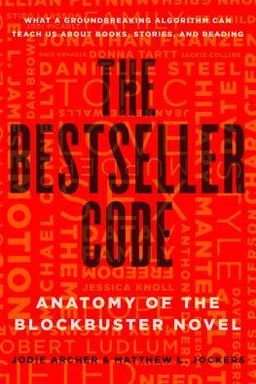
Why do some books explode onto bestseller lists while others vanish without a trace? In The Bestseller Code, Jodie Archer and Matthew L. Jockers argue that literary success isn’t random—it’s measurable, predictable, and even algorithmic. Drawing on five years of research and thousands of novels, the authors reveal that the DNA of a bestseller can be decoded using computer models that track themes, style, plot, and character patterns that consistently capture readers’ hearts.
At the center of their fascinating study is the “bestseller-ometer”, a data-driven machine learning model that predicts, with about 80% accuracy, whether a manuscript will land on the New York Times bestseller list. What makes this revolutionary isn’t just the algorithm—it’s the idea that language itself carries hidden signals of success. In this model, successful stories aren’t lucky anomalies; they share fundamental linguistic and emotional structures that resonate with human psychology and culture.
From Literary Intuition to Data-Driven Insight
Archer, a former Penguin editor, and Jockers, a Stanford digital humanities researcher, started from a simple question: what makes readers choose one book over another? Could patterns that appeal to millions be identified mathematically? Like archeologists of narrative, they fed thousands of books—both bestselling and obscure—into computational models, analyzing over 20,000 textual features such as verbs, pronouns, nouns, sentence length, and punctuation. What emerged was a startling discovery: bestsellers aren’t accidents of taste. They follow certain recurring narrative rhythms and emotional arcs that pull readers into an experiential trance.
The algorithm that resulted was a new form of literary criticism at scale. It could detect the heartbeat of stories—rising tension, conflict, resolution—across genres, and even assign each book a numeric score for its bestselling potential. This machine didn’t know author names or reputations. Yet, it correctly identified hits like Dan Brown’s Inferno (95.7%), Michael Connelly’s The Lincoln Lawyer (99.2%), and even debut novels like Kate Jacobs’s The Friday Night Knitting Club and Jessica Knoll’s Luckiest Girl Alive with near-perfect confidence.
The Myth of Random Success
Publishing lore long held that bestsellers are like lottery wins—rare, unpredictable flashes of luck. Archer and Jockers dismantle that myth. Editorial “gut instinct” and marketing budgets aren’t enough to explain why a particular story grabs humanity’s imagination. The authors point out that even brilliant editors turned down future classics like Harry Potter, The Help, and Lord of the Flies. If industry veterans can’t reliably foresee success, maybe machines trained on massive datasets can.
Their findings suggest that what we call “memorable literature” reflects structural clarity. The language of bestselling novels tends to balance emotional conflict and resolution while maintaining a rhythm of empathy and human closeness—especially in relationships. These books satisfy readers’ psychological cravings for connection, self-reflection, and transformation. Archer and Jockers discovered, for instance, that the most predictive topic was “human closeness”—moments of intimacy, friendship, or shared vulnerability—not just romance or sex. This universal theme appears across bestsellers from John Grisham to Toni Morrison, from literary to commercial fiction.
The Promise—and Provocation—of Data in Publishing
For writers and industry insiders, The Bestseller Code is both thrilling and unsettling. If machines can analyze unpublished manuscripts and score their potential, could data disrupt human creativity itself? The authors insist their model isn’t about replacing editors or writers—it’s about enhancing understanding. By identifying what resonates with readers, publishers can support new authors who might otherwise languish in slush piles. In theory, the algorithm is democratic—it doesn’t care if you’re famous or unpublished, rich or poor. It cares only about stories that move people.
Beyond pure prediction, Archer and Jockers explore deeper implications: how literature mirrors collective culture, why we’re drawn to certain narrative arcs, and what these patterns reveal about desire, fear, and hope in the modern psyche. In their closing chapters, they show how computers may soon imitate editors, helping publishing shift from intuition to scientific insight. Yet they also remind readers that technology can’t replace the humanity at fiction’s core. Art may yield data, but emotion drives storytelling.
Ultimately, The Bestseller Code invites you to see books not as mysterious works of destiny, but as deliberately engineered language systems—networks of emotion, rhythm, and theme that speak to the human condition. Whether you’re a writer, reader, or skeptic, it challenges the idea that taste is subjective and proves that the secret to storytelling success may be written—quite literally—in the code of words themselves.