
Idea 1
The Power of Making Wealth Automatic
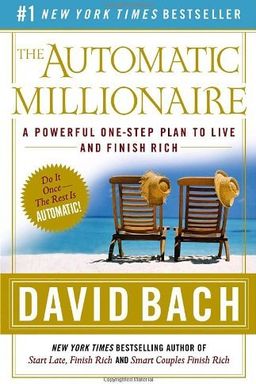
Have you ever wondered why some people quietly build wealth while others, even with good incomes, struggle paycheck to paycheck? In The Automatic Millionaire, David Bach argues that the path to financial freedom isn’t about earning more or adopting complex investment strategies—it’s about taking simple steps and then automating them so you can’t fail. Bach’s core argument is that discipline and budgeting don’t make people rich; automation does. By removing human error, emotion, and procrastination from financial decisions, you make success inevitable.
Bach’s message stems from his discovery of an ordinary couple, Jim and Sue McIntyre, who managed to retire comfortably in their early fifties on modest salaries. They didn’t inherit wealth or win the lottery—they simply mastered the principle of paying themselves first and making their finances automatic. From that real-world example, Bach built a simple but powerful system that anyone can use to create financial independence.
Why Automation Matters More Than Effort
According to Bach, most people fail financially because they rely on willpower. Humans are busy, emotional, and prone to making impulsive decisions. We tell ourselves we’ll start saving “next month,” but life always gets in the way. Automation bypasses that flaw—it ensures that money is consistently saved, invested, and used wisely without requiring constant attention.
The Automatic Millionaire philosophy is therefore built on the idea of setting up systems that make wealth-building effortless. Whether it’s automatic contributions to a retirement account, automatic mortgage payments structured to reduce interest faster, or automatic charitable donations, Bach insists that automation creates consistent action— and consistent action creates wealth.
The Simple Secrets of Ordinary Millionaires
Through the story of the McIntyres, Bach illustrates that wealth is achievable for ordinary people. They earned less than $55,000 a year but ended up with nearly $2 million in assets. Their secret wasn’t flashy investing—it was routine, unglamorous habits done automatically: they paid themselves first, avoided debt, owned their homes outright, and lived within their means. They didn’t depend on discipline or budgeting. They automated every good financial habit and made it permanent.
“You don’t need discipline when you’re automatic.”
This single sentence, emphasized throughout Bach’s work, captures the essence of his philosophy. The McIntyres, and eventually Bach himself, proved that once you automate saving and investment, you don’t need to struggle with motivation again.
From Paycheck to Prosperity
Bach expands on several key strategies for financial success: identifying your “Latte Factor” (small, daily unnecessary expenses that quietly destroy wealth potential), paying yourself first before taxes, automating retirement contributions, and owning rather than renting. Each idea is practical and focuses on creating lasting habits rather than one-time decisions. By linking these steps in an automatic system, you turn everyday income into lifelong financial growth.
The book’s broader message challenges the myth that personal finance requires complexity, luck, or large inheritances. Instead, Bach positions wealth-building as accessible to anyone who’s willing to take one hour to automate their future decisions once and for all.
Why This Matters in Today’s Economy
Even decades after its first publication, Bach’s advice feels more relevant than ever. In an economy full of distractions, rising debt, and fears of financial instability, people need simpler systems that actually work without constant supervision. Automation answers that need—it turns good intentions into lifelong results. By establishing straightforward money movements that run in the background, you can live your life free from stress and still accumulate wealth.
Ultimately, The Automatic Millionaire is not about getting rich quick but about getting rich for sure. It’s about transforming how you think about money so that, over time, through automation and consistency, financial freedom arrives as a natural outcome of your daily life. Bach’s invitation to the reader is simple yet powerful: stop worrying about money, set everything to automatic, and spend the rest of your life enjoying it.