
Idea 1
Awakening Your Creative Spirit
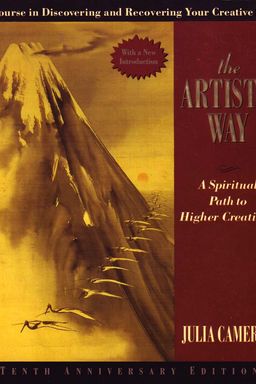
When was the last time you truly felt alive while creating something—without worrying whether it was good enough? In The Artist’s Way Workbook, Julia Cameron invites you to rediscover that feeling through a guided twelve-week process of creative recovery. Built upon her decades of teaching, she argues that creativity isn’t a luxury for the gifted few but a spiritual birthright for everyone. The book contends that unlocking your creative flow is about cultivating safety, playfulness, and faith, rather than forcing talent through sheer willpower.
Cameron’s thesis rests on a profound idea: creativity is the natural order of life. It’s not something external that we acquire—it’s already within us, waiting to be uncovered. By working through simple but transformative tools like the morning pages and the artist’s date, anyone can reconnect with their creative source. She presents art as both a spiritual and practical act—one that heals old creative wounds, reawakens curiosity, and infuses ordinary life with inspiration.
Creativity as a Spiritual Path
Unlike traditional art manuals that focus on technique or discipline, Cameron views the creative process as deeply spiritual. Creativity is divine energy flowing through us, and to open to it is to open to God—or whatever higher source of inspiration you believe in. As she writes, art requires faith: moving to the page, the stage, or the canvas even when fear tells you not to. The workbook becomes a kind of spiritual toolkit, guiding you through incremental shifts in perception that lead to authentic artistic expression.
This spiritual foundation is made tangible through the ten Basic Principles—beliefs that establish creativity as a sacred collaboration with life itself. You learn that refusing to be creative is an act of self-denial, that creative dreams come from a divine source, and that it is safe to open yourself to greater and greater creativity. These principles weave prayer, self-acceptance, and artistic daring into everyday practice.
Tools That Transform
Cameron’s system centers on two deceptively simple yet life-changing tools: morning pages and artist’s dates.
- Morning Pages: Each morning, you write three longhand pages of stream-of-consciousness thoughts. They clear mental clutter, reveal hidden desires, and guide you toward what she calls the “next right thing.” Over time, they become a conversation with the universe—a private prayer that sparks synchronicity and self-awareness.
- Artist’s Date: Once a week, you take yourself on a solo adventure purely for fun. Whether visiting a museum, browsing a bookstore, or exploring nature, it’s a way of playing with your creative consciousness and opening to inspiration. It’s about receiving rather than producing, recharging rather than striving.
These practices work together: morning pages send signals outward, while artist’s dates make you receptive to creative inflow. They teach self-trust through consistent action rather than intellectual understanding. As Cameron says, theory isn’t healing—experience is.
A 12-Week Journey of Creative Recovery
Structured like a course, each week focuses on a specific dimension of creative renewal—from recovering a sense of safety and identity to rediscovering abundance, strength, and faith. You begin by confronting old creative wounds and doubts, then gradually nurture yourself back into creative wholeness. Tasks such as writing affirmations, engaging in time travel to explore childhood memories, and identifying supportive versus toxic relationships help you reclaim autonomy and emotional honesty.
By the time you reach the final week, you’ve cultivated faith not just in your talents but in life’s guidance. Cameron’s tone, like that of a wise mentor, assures you that you don’t need to know why something works—you just need to do the work. This experiential wisdom echoes the philosophy of Zen practice, where enlightenment emerges through daily mindful action rather than intellectual comprehension.
Why It Matters
In a world that often prizes productivity over creativity, Cameron’s workbook feels like a radical act of self-liberation. It reminds you that you are far larger, more daring, and more gifted than you imagine. These tools can unblock not only writers and painters but anyone longing for a more vivid life—teachers, entrepreneurs, parents, or dreamers. Ultimately, The Artist’s Way Workbook offers a map for falling in love with the creative process itself. It’s less about mastering art and more about mastering the art of living creatively, one small, faithful step at a time.