
Idea 1
Beauty, Obsession, and the Mind of a Thief
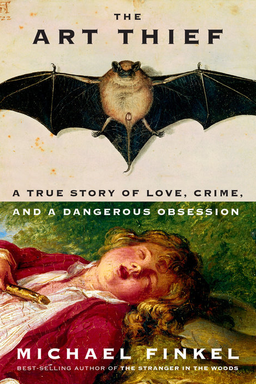
What would you do if you felt beauty so intensely that it consumed you? In The Art Thief, Michael Finkel invites you into the extraordinary and disturbing world of Stéphane Breitwieser—the man who stole more art than anyone in modern history, not for money, but for love, passion, and the pursuit of aesthetic perfection. This isn't just the story of a thief; it's the story of how beauty, obsession, and moral blindness can intertwine to create both ecstasy and ruin.
Finkel contends that Breitwieser represents the extreme end of humanity’s longing to possess beauty. He challenges our assumptions about art theft, revealing that this prolific criminal wasn’t motivated by profit, but by desire—the same desire that drives art collectors, curators, and sometimes artists themselves. At the heart of the book lies a paradox: can a person who genuinely loves art destroy it through their obsession to own it?
A Portrait of Love and Crime
Through detailed storytelling, Finkel recreates Breitwieser’s partnership with his girlfriend, Anne-Catherine Kleinklaus. The two are portrayed as modern-day Bonnie and Clyde, except their weapon is stealth rather than violence. Together, they wander European museums, appearing harmless and charming, while executing daylight thefts—lifting priceless pieces from walls and cases with Swiss Army knives. The thrill of the theft merges with the thrill of romance, until love itself becomes inseparable from crime.
Their tiny attic in Mulhouse, France, becomes a secret paradise—a private museum of stolen masterpieces worth billions. They live surrounded by Cranachs, Brueghels, Petels, and Bouchers, sleeping beneath luxury stolen from Western civilization. Finkel describes this domestic trove so vividly that readers can almost feel the pulse of passion—and its creeping suffocation as the collection grows uncontrollably.
Obsession Beyond Ethics
Oscar Wilde once wrote, “Aesthetics are higher than ethics,” and Finkel uses Wilde’s epigraph to frame Breitwieser’s twisted moral logic. The thief sees museums as prisons, not sanctuaries, believing that art should live freely, to be touched and loved, not confined behind plexiglass. His thefts, in his mind, are liberations. He calls himself an “art liberator”—a self-proclaimed savior of beauty.
This worldview raises uncomfortable questions: Can art ever truly belong to anyone? Does love for beauty justify transgression? Finkel doesn’t let the reader off easily. Instead, he dissects how obsession reshapes ethics, showing that when fascination is absolute, moral boundaries dissolve. Breitwieser’s story becomes a psychological study in narcissism and self-delusion, as psychotherapists in the book diagnose him with antisocial and narcissistic personality disorders. His thefts are not compulsive, they’re deliberate—and each is a declaration of control over beauty itself.
Why It Matters to You
Beyond crime or curiosity, Finkel’s narrative illuminates our own relationship with art and desire. Most of us won't steal paintings, but many of us are moved by beauty so powerfully that it disrupts reason. Breitwieser embodies what happens when appreciation transforms into possession—when you decide beauty must be yours to truly exist. His collection becomes not just a museum, but a metaphor for emotional hoarding, the desperate attempt to keep joy permanent.
As you read, you encounter themes of love versus obsession, creation versus destruction, and the fragile boundaries between passion and pathology. Finkel’s reporting, built from years of interviews and court records, transforms crime journalism into a meditation on human longing. Ultimately, Breitwieser’s downfall—his mother’s destruction of his collection—is both literal and symbolic: the burning of beauty when love goes too far.
Central Lesson
Finkel’s The Art Thief is less about stealing paintings than it is about what happens when admiration turns into appetite. It’s a warning and a wonder: that to possess beauty too deeply can mean losing sight of what it truly is.
In this sweeping story of aesthetic addiction and love’s collapse, Finkel leaves you contemplating not just the value of art, but the cost of wanting more than you should. The following ideas unpack the psychology, relationships, and cultural implications behind one of history’s most captivating obsessions.