
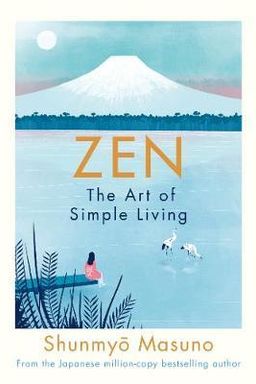
The Art of Simple Living cover

The Art of Simple Living

by Shunmyo Masuno

The Art of Simple Living provides pragmatic Zen Buddhist insights to transform your habits and enhance your daily life. Discover 100 practices that simplify routines, improve relationships, and foster inner peace and energy for a more fulfilling existence.

Living Simply Through the Spirit of Zen

How often do you find yourself seeking escape—from endless work demands, overflowing possessions, or digital noise? Shunmyō Masuno, a Zen Buddhist monk and garden designer, invites us to pause and ask a deeper question: what if the calm we chase through the extraordinary already exists in our everyday life? In Zen: The Art of Simple Living, Masuno reminds us that simplicity is not about deprivation, but about rediscovering clarity in daily habits. He contends that serenity blossoms not from grand retreats or mountainside monasteries, but from subtle shifts—small rituals, perspectives, and moments we can cultivate at our desks, in our kitchens, and on our morning walks.

The Power of Subtle Shifts

Masuno’s core argument is simple but profound: you don’t need to change your world to find peace—you only need to change the way you move through it. Rather than chasing after the extraordinary to reset your life, he suggests gently transforming the ordinary itself. By learning how monks bring spirituality into the simplest tasks—from organizing shoes to preparing tea—you can uncover a calmer rhythm within your own routine.

The book draws from centuries of Zen philosophy, distilled into one hundred short, meditative practices. These lessons aren’t abstract doctrines, but practical wisdom translated for modern life. Whether it’s breathing slowly during a lunch break, choosing simplicity instead of accumulation, or learning not to worry about what you can’t control, each idea invites a mindful awareness that recalibrates the entire day.

Zen Beyond Words and the Here and Now

Masuno echoes traditional Zen teachings captured in the four phrases that define the practice: spiritual awakening cannot be experienced through words or texts; it points directly to our minds; it teaches us to perceive our true nature and attain Buddhahood. In essence, Zen is experiential—it’s not read, but lived. You begin by cultivating space for emptiness, quieting inner chatter, and learning to observe thoughts without judgment. Through this, life feels less burdensome because you stop resisting impermanence and begin flowing with it.

He repeatedly emphasizes that clarity arises when we let go—of possessions, expectations, and anxieties. Discarding is not just physical decluttering; it’s a spiritual cleaning. When you release unnecessary attachments, you make room for insight and abundance. A monk sweeping the temple is also sweeping the dust from his own heart. A person who lines up their shoes is also aligning the mind’s chaos. Everyday order gestures toward inner serenity.

Nature, Gratitude, and the Cycles of Life

Masuno’s Zen merges the spiritual with the ecological. The natural world—its clouds, rain, birdsong, and changing seasons—serves as both teacher and mirror. To practice mindfulness is to perceive the fluid interconnectedness of all things; humans, like rivers and stones, are part of one flow. He often compares these observations to gardening. Designing or simply tending a Zen garden teaches perspective: every element, from a curved branch to a crooked stone, has merit. Just as gardens thrive through harmony, so too do relationships when we focus on others’ strengths rather than their faults.

Gratitude pulses beneath every teaching. Recognizing ancestors, savoring food with awareness, and appreciating each ordinary day yield a quiet joy. When you realize life is a miracle sustained by countless connections—people, nature, time itself—you naturally treat life as sacred, not to be wasted.

Simplicity as Spiritual Courage

Masuno’s simple living is courage in disguise: the courage to live fully in the present moment. His stories—of his father calmly tending a garden the day before passing away, or of monks accepting change like falling cherry petals—illustrate that mindfulness doesn’t erase sorrow; it transforms it into appreciation. When we stop judging existence through dichotomies of good and bad, gain and loss, we realize that every day can be a good day. This is not naive optimism, but disciplined clarity—what other spiritual teachers like Thich Nhat Hanh call being “at home in the now.”

Masuno takes complex Buddhist ideas—impermanence, mushin (“clear mind”), and chisoku (“knowing enough”)—and translates them into actions anyone can perform today. From washing vegetables mindfully to sitting zazen on a city balcony, each habit becomes a training ground for spiritual lightness. Rather than tackling the chaos of modernity head-on, you dissolve it gently through simplicity and presence.

Why These Ideas Matter

In a world of constant motion and multiplying expectations, Masuno’s message feels revolutionary in its quietness. The book is not about renunciation, but restoration—the restoration of time, awareness, and calm through practical Zen principles. His approach bridges philosophy and action: it shows how trimming the unnecessary (in thought, possessions, or emotion) awakens joy and liberates you from worry. Ultimately, Masuno reminds you that simplicity is not an aesthetic choice—it’s a way to reclaim yourself, to rediscover the peace that has been there all along, waiting in the space between breaths.


Cultivating Emptiness and Clarity

Masuno begins with one of Zen’s most paradoxical practices: making time for emptiness. In a world saturated by noise, he invites you to carve out ten minutes a day to think about nothing. The monk’s advice might sound impossible to those whose minds race with schedules and notifications. Yet, he argues that only through emptiness can your true self surface—it’s like setting down a heavy bag you forgot you were carrying.

Seeing the Self as Space

In Zen, inner peace is not found by adding more—more goals, more possessions, or more self-improvement tips—but by subtracting. When you sit quietly, thoughts will rise and fall, but Masuno instructs to observe them gently, letting them drift away. He compares this to zazen meditation, where even telling yourself not to think is itself a thought. Yet, with practice, brief moments of true stillness appear—the mind becomes transparent, and the sense of 'self' dissolves. This is what it means to become spiritually lighter, as described in his chapter ‘Don’t Waste Time Worrying About Things You Cannot Control.’

Discarding to Refresh the Mind

He extends the concept of emptiness to physical and emotional spaces. In ‘Discard What You Don’t Need,’ he insists that before acquiring anything new, you must part with something old. Crying, cleaning, or even saying goodbye are spiritual acts that refresh the mind. Possessions, like old beliefs, can weigh down the spirit. This principle mirrors Marie Kondo’s philosophy of tidying up for joy, yet Masuno’s version is rooted in spiritual liberation rather than comfort. When you declutter, you invoke the Zen notion of ‘clean mind,’ where detachment births abundance.

From Stillness to Renewal

Imagine looking up at the sky after clearing your head—the movement of clouds, the sound of rustling leaves, or drops of rain remind you that you, too, belong to nature’s rhythm. In this state of mushiryo, or ‘beyond thinking,’ the world feels interconnected and restorative. Even five minutes of such emptiness can infuse the body with calm strength. Masuno urges you to take such pauses during work breaks or before bed; zazen practiced briefly rejuvenates mental clarity. When life feels chaotic, emptiness becomes the cure. (Similar to Jon Kabat-Zinn’s mindfulness approach, this practice reframes meditation as coming home to awareness rather than escaping stress.)

Ultimately, for Masuno, creating space—whether in your schedule, home, or heart—is not withdrawal but awakening. It is the unseen foundation for every other virtue in Zen. When you cultivate emptiness regularly, clarity follows, and with it the serenity that modern life often obscures.


Simplicity in Daily Habits

One of Masuno’s greatest gifts is showing that Zen doesn’t demand monasteries; it thrives within homes, offices, and coffee cups. Everyday habits can become sacred rituals. In ‘Wake Up Fifteen Minutes Earlier,’ he teaches that busyness stems not from lack of time but lack of heart space. When you rise early, breathe deeply, and sip your morning tea while listening to birds, you liberate yourself from haste. Simple actions heal frantic minds.

The Spiritual Act of Tidying

A messy desk or disordered entryway is not just clutter—it’s evidence of a distracted mind. The chapter ‘Organize Your Desk’ reminds us that cleanliness sharpens concentration. In temples, monks clean not because of dirt, but to polish their hearts. Each sweep removes dust internally as well as externally. Whether lining up shoes neatly or arranging your room sparingly, these actions align inner order with outer form. Masuno’s belief echoes the Japanese principle of wabi-sabi: beauty in simplicity and impermanence.

Slowing Down as Pleasure

In ‘Make a Delicious Cup of Coffee,’ Masuno contrasts modern convenience with mindful craftsmanship. Brewing coffee over firewood becomes an expression of being alive—each step, from gathering wood to grinding beans, engages presence. The lesson: convenience often robs life of sensual pleasure. When you slow down, effort transforms into joy. This idea resonates with mindfulness teachings from Thich Nhat Hanh, who encouraged washing dishes “just to wash dishes.” Every action performed wholeheartedly unveils peace.

Simplifying Space and Thought

Masuno distinguishes simplicity from frugality. The goal is not to have less but to cherish essentials deeply. A mug used daily and loved for years holds spiritual value. Simplicity is beauty stripped of excess; frugality merely limits cost. By paring down belongings and organizing surroundings, you simplify thoughts too. A simple room invites a simple mind—a direct path to peace. (Note: The same principle permeates Zen architecture and gardens, where emptiness itself becomes a design element.)

Through small acts—cleaning, slowing down, noticing beauty—Masuno redefines simplicity as artistry. Living simply isn’t ascetic withdrawal; it’s savoring life fully, moment by moment, without waste or worry.


Harmony with Nature and Others

Zen, for Masuno, is not solitary introspection—it’s relational harmony. Every chapter in his book reveals balance between yourself, nature, and people. He views gardens as mirrors of the soul: to understand them is to understand life’s interconnectedness.

Nature as Teacher

In ‘Get in Touch with Nature’ and ‘Create a Small Garden on Your Balcony,’ Masuno suggests that nature heals even through imitation. A small tray garden, a balcony plant, or a still moment sitting in a park reawakens the senses dulled by screens. Nature reminds you of impermanence—the blossom that falls yet remains beautiful teaches us not to fear change. This fluidity is at the heart of Zen aesthetics seen in cherry blossoms and seasonal hospitality, where meals reflect the passage of time.

Interpersonal Grace and Nonverbal Care

The same harmony shapes human interactions. In ‘Demonstrate Rather Than Assert How You Feel,’ Masuno describes uchimizu, the Japanese custom of sprinkling water outside a gate before visitors arrive. This quiet gesture of welcome conveys warmth without words. Communication, in Zen, thrives on subtlety and attentiveness. It’s the art of showing rather than declaring, listening rather than judging. (Compare this with Dale Carnegie’s advice in How to Win Friends and Influence People, which shares the same principle—authenticity expressed through empathy.)

Focusing on Merits and Connections

Masuno also teaches appreciation through ‘Focus on Others’ Merits’ and ‘Appreciate Connection with Things.’ Like a gardener planting trees at harmonious angles, we cultivate relationships by recognizing the individuality of others. Gratitude bridges flaws and fosters unity. Even objects—tools, mugs, or cars—deserve care, as cherishing them refines the heart’s gentleness. By seeing everything as interconnected, you dissolve boundaries between self and world, creating peace that radiates outward.

Harmony, Masuno implies, is not achieved through perfection but through mindfulness in each interaction: between humans and nature, between words and silence, between giving and receiving. Wherever compassion blends with presence, Zen lives.


Facing Change, Anxiety, and Death

The latter chapters of Masuno’s book face life’s unavoidable transitions—change, fear, and death—with calm acceptance. Unlike self-help advice that promises control, Zen practices invite you to loosen your grip. Change is not something to conquer but something to flow with.

The Art of Acceptance

In ‘Do Not Fear Change,’ Masuno writes about cherry blossoms: exquisite precisely because they fall. Their fleeting scent embodies life’s beauty and impermanence. By embracing ephemerality, you free yourself from nostalgia and anxiety. Similarly, ‘Accept Reality for What It Is’ recounts a high priest living peacefully while battling cancer—his serenity comes from accepting what cannot be altered. Acceptance, he insists, is preparedness, not surrender.

Belief and Gratitude

Faith, for Masuno, isn’t dogma but trust. ‘Recognize That You Are Protected’ comforts that all beings rest in the Buddha’s palm; this belief empowers perseverance. Gratitude extends this trust—when you’re thankful for both ancestors and daily existence, even pain transforms into reverence. These teachings echo Viktor Frankl’s insight that meaning—more than circumstance—determines peace.

Contemplating Mortality

Masuno’s reflections on his father’s death in ‘Put Your Everything Into the Here and Now’ and in ‘Contemplate How to Die’ are strikingly tender. His father spent the final morning weeding his temple garden, embodying mindfulness until his last breath. Death, for Masuno, is not an end but the completion of practice. By contemplating mortality, you remember how precious every moment is—the antidote to wasted time. Even dying becomes an act of living rightly.

Together, these meditations form a philosophy of resilience: accept reality, honor impermanence, express gratitude, and live so attentively that even the act of dying feels peaceful. In embracing change, Zen reveals not despair, but liberation.


The Practice of Presence

Across the book, Masuno circles back to one central discipline: living fully in the present. In chapters like ‘Be Here Now,’ ‘Notice the Changes of the Season,’ and ‘Every Day Is a Good Day,’ he shows that enlightenment is not found through retreat—but through attention.

Training Awareness Through Ritual

Through breathing and posture exercises, even during work (“chair zazen” or “bed zazen”), Masuno teaches how awareness stabilizes mind and body. Breath becomes a doorway to presence: exhaling from the abdomen releases negativity, inhaling awakens clarity. By observing breath, you anchor yourself to the now, escaping cycles of rumination and worry. (This mirrors Eckhart Tolle’s spirit in The Power of Now, where presence dissolves suffering.)

Seeing Every Day as Sacred

Masuno recalls the Zen saying: “All days are good days.” Whether joyful or grim, each day carries immeasurable worth because it will never return. Watching sunsets, cherishing ordinary hours, or noticing seasonal changes—all cultivate gratitude that turns habit into wonder. Happiness, he writes, is found in the ordinary rhythm of life itself. When you breathe, eat, sleep, or work with awareness, every moment reveals beauty hidden in simplicity.

Presence as Preparation

Living in the moment doesn’t mean carelessness; it prepares you for destiny’s winds, as shown in his parable ‘Make Every Preparation.’ The plum tree that readies itself through winter blooms when spring arrives—the unprepared one misses its chance. Similarly, every mindful day plants seeds for opportunity. Preparation and presence are two sides of the same meditation: awareness of now equips you for what’s next.

Through practice—whether breathing slowly, watching the sky, or savoring a mundane task—you learn that peace is not the absence of problem but the fullness of attention. In the stillness of an ordinary moment, life reveals its quiet brilliance.

Dig Deeper

Get personalized prompts to apply these lessons to your life and deepen your understanding.

Go Deeper

Get the Full Experience

Download Insight Books for AI-powered reflections, quizzes, and more.