
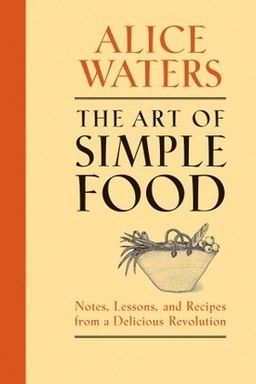
The Art of Simple Food cover

The Art of Simple Food

by Alice Waters

The Art of Simple Food by Alice Waters is more than a cookbook; it''s a guide to appreciating fresh, local ingredients and mastering simple yet profound cooking techniques. This book invites you to transform everyday meals into extraordinary experiences by focusing on flavor, quality, and simplicity.

The Delicious Revolution: Cooking as Connection

Alice Waters redefined what it means to cook well, not through complicated recipes but through radical simplicity. Her philosophy—the “Delicious Revolution”—begins with one deceptively modest act: choosing beautiful, local, seasonal ingredients. She argues that if you start with the freshest produce, respectfully grown and harvested, even the simplest dishes become profound. To cook well, you must first source well; technique follows ingredient, not the other way around.

This idea anchors everything in her work, from Chez Panisse menus to home cooking. Waters paints food buying as civic engagement—a way to build local economies, honor farms, and connect cooking to the land’s rhythms. She urges you to eat seasonally, visit farmers’ markets, and converse directly with growers to understand when, how, and why varieties come alive. It is a democratic philosophy: anyone can practice it by buying consciously and cooking attentively.

Eating Locally and Seasonally

To Waters, seasonality isn’t a restriction; it’s liberation. When tomatoes flood the market in July, you make tomato salads and sauces—not imported, flavorless tomatoes in winter. When apples ripen, they belong in tarts or roasted dishes. This rhythm creates constant novelty and makes cooking creative rather than habitual. Waters translates this directly into menu planning: spring means asparagus and poached salmon; summer offers grilled fish and fresh herbs; autumn brings apples, squash, and root vegetables; winter favors braises and warming soups.

Eating locally isn’t just for taste but for awareness. By relying on nearby producers—those within a hundred-mile radius at Chez Panisse—Waters tied cuisine to geography. She teaches you to start not at the recipe but at the market stall, where inspiration begins. From these small transactions grows a culture of sustainability and community, echoing Wendell Berry’s notion that “eating is an agricultural act.”

Technique Through Respect for Ingredients

Waters demystifies cooking mastery: careful attention replaces elaborate tools. A well-honed knife, seasoned cast iron pan, and steady mise en place can make you fearless. Her mise en place philosophy—reading the recipe, visualizing steps, preparing equipment, and pre-measuring ingredients—turns kitchens calm and intentional. Precision isn’t formality but mindfulness. You prepare, then you improvise with confidence.

Simplicity reaches art through discipline: wash lettuces carefully, dry them completely, toss them gently by hand. Taste each ingredient before combining. When Waters writes that “taste everything before using it in a composed dish,” she means that flavor-consciousness is habit, not flair. Each sensory check becomes a small act of craftsmanship, reminding you that flavor lives in subtlety, not abundance.

From Kitchen Practices to Cultural Impact

Waters’ revolution stretches beyond the home kitchen. She turned restaurants into ecosystems of fairness and respect—connecting chefs and farmers, rethinking school lunches, and nurturing the Edible Schoolyard movement. (Note: This practical activism mirrors Michael Pollan’s message in The Omnivore’s Dilemma—that personal eating choices ripple into social ethics.) Your pantry becomes political when it includes olive oil from sustainable sources or salt harvested without exploitation.

In this sense, the book is more than recipes—it is a manifesto disguised as a manual. Waters invites you to reimagine food as texture, relationship, and story. She grounds cooking not in precision but in belonging: the act of eating ties us to time and place. By starting small—one farmers’ market visit, one home garden pot—you join her “delicious revolution.”

Essential Insight

Cooking, in Waters’ world, isn’t consumption—it’s participation. Every choice of ingredient is a vote for a certain world: fresh over factory, connection over convenience, art over automation.

By integrating local eating, thoughtful shopping, and mindful technique, Waters proves that excellence in food is neither elitist nor inaccessible. When you learn to notice what’s ripe, store what’s essential, cook intuitively, and share generously, you don’t just feed yourself—you join a quiet cultural movement where food once again matters.


Building the Conscious Kitchen

A kitchen should empower you, not intimidate you. Waters builds that empowerment through tangible steps: a well-stocked pantry, durable equipment, and organizational grace. You don’t need endless gadgets; you need dependable tools and ingredients that inspire improvisation. The kitchen becomes a personal landscape—ordered but flexible—where preparation bridges creativity and peace.

Stocking the Smart Pantry

Waters divides the pantry into two thoughtful layers: long-life staples and perishables. Long-life staples include olive oil (both cooking and finishing grades), vinegars, salt, whole peppercorns, pasta, rice, dried beans, flour, sugar, and anchovies. Keep them fresh by storing away from heat and light. Perishables—garlic, onions, celery, eggs, milk, butter, herbs, lemons—require rotation and care: refrigerate whole-grain flours, freeze butter reserves, and buy spices small and often.

A practical pantry means freedom: with basic items, you can improvise pasta aglio e olio, bean soups, vinaigrette-tossed greens, or rustic tarts without stress. The message is that readiness equals creativity. You don’t shop for a recipe; you cook from what you have preserved intelligently.

Tools, Craft, and Mise en Place

For equipment, Waters is minimalist yet exacting. Her essentials: a chef’s knife, paring knife, bread knife, large wooden cutting board, cast-iron skillet, sauté pan, saucepan, and stockpot. Quality over quantity—buy the few items that will last a lifetime. She adds practical tools like mortar and pestle, salad spinner, and food mill, emphasizing that they increase tactile awareness of food. Her teaching echoes the Japanese principle of shokunin—craftsmanship through respectful mastery of tools.

Mise en place—the methodical setting up before cooking—transforms chaos into clarity. Read recipes twice, measure and arrange ingredients in order of use, and preheat thoughtfully. This habit, borrowed from professional kitchens but made human here, doesn’t slow you down—it speeds intuition. You begin listening to the sizzle, noticing color changes, smelling nuance. Waters trains cooks to trust sensory cues more than timers.

Practical Rule

Taste before adding, sharpen before chopping, prepare before touching heat. Discipline brings joy—the rhythm of mise en place turns cooking into meditation.

The Art of Readiness

Waters’ ethos—simplicity made possible through preparedness—extends to storage and reuse. Freeze butter and homemade stocks in portions; repurpose bread into croutons or crumbs. Label jars, clean regularly, and build relationships with shopkeepers and growers to restock ethically. It’s not about hoarding ingredients but nurturing continuity. Your pantry becomes an evolving conversation with flavor.

With this foundation, Waters shifts cooking from performance to practice. A “conscious kitchen” is measured not by space or appliances but by rhythm and attention. Knowing where your food comes from and where your tools belong creates a quiet competence—the chef’s confidence available to anyone willing to prepare mindfully.


Master Techniques for Everyday Cooking

Technique is Waters’ hidden backbone. Behind every casual meal lies mastery of heat and texture—achieved not through rigid formulas but through sensory trust. Her teaching distills four primal cooking methods: roasting, sautéing, braising, and poaching. Together they form the grammar of cooking—simple verbs you can conjugate endlessly once understood.

Roasting and the Alchemy of Heat

Roasting, Waters says, is about anticipation. Her classic roast chicken recipe—seasoned well ahead, roasted in rotation stages (breast up, down, up)—teaches rhythm and patience. The result: crisp skin, juicy flesh, and flavor born of restraint. Similar principles guide roasted meats and vegetables: uniform pieces, high heat, and rest after cooking. The difference between soggy and sublime lies in waiting fifteen minutes before carving.

Sautéing, Braising, and Poaching

Sautéing requires courage—high heat, quick movement, and confidence. You know the pan is ready when dropping water produces a hiss, not a whimper. Braising reverses that energy: low heat, slow time, and liquid half-covering the meat. Collagen turns to gelatin; flavors soften into complexity. Poaching, finally, is delicacy incarnate—barely trembling water or aromatic broth enveloping fish or eggs in tenderness. Waters’ sensory emphasis—listen, watch, smell—teaches you to cook by feedback, not rote.

Technique Insight

Each method trains patience differently: roasting teaches waiting, sautéing teaches decisiveness, braising teaches surrender, and poaching teaches gentleness. Together they shape intuition more than just skill.

Taste and Adjust—The Hidden Discipline

Waters repeatedly instructs: “Taste as you go.” This fundamental rule turns technique from mechanical reproduction to artistry. Temperature and time matter, but taste decides. Even her sauces—vinaigrettes, beurre blanc, salsa verde—obey that same principle: balance acid, fat, and salt by continuous tasting. Cooking becomes fluent when you internalize ratios (1:3 oil to vinegar) and symmetry of flavor like musical keys.

These basics—combined with good stock, proper seasoning, and rest—form the foundation upon which all improvisation stands. Learn them, and recipes stop being instructions; they become invitations to create.


Sauce Craft and Flavor Architecture

Sauces, for Waters, are not decoration—they are translation. They bridge ingredient and preparation, giving flavor narrative shape. Once you learn a few archetypes—emulsion, reduction, compound butter, herb paste—you understand how cuisine speaks. In her hands, vinaigrette and salsa verde are language roots, beurre blanc and béchamel are grammar rules, and pesto or harissa are regional dialects.

Emulsions and Balance

The simplest emulsions—mayonnaise, aïoli, vinaigrette—teach how opposites blend. Oil and acid coexist through slow incorporation. You whisk mindfully, not mechanically, sensing thickness and shine. Waters stresses temperature: warm yolks welcome oil more easily; cold butter stabilizes sauces like beurre blanc. Once you grasp the physics of emulsions, confidence grows—you can fix breaks, modify flavor, and craft new sauces spontaneously.

Reductions and Depth

Reduction is patience made visible. You roast bones or simmer liquids until intensity concentrates. Watery wine turns syrupy and deep; stock transforms into glaze. This slow alchemy appears in her beef reduction recipes and in the everyday pan gravy—scraping browned bits to make instant sauce. Waters democratizes high technique, showing that even home cooks can extract restaurant-level richness through time and attentiveness.

Herb Pastes and Regional Condiments

Her collection of condiments—pesto, bagna cauda, gremolata, chermoula, harissa—functions as a global vocabulary. Each adds brightness or heat through herbs, citrus, or chile. You can scatter gremolata over braised lamb or stir chermoula into grilled fish. The takeaway: sauces aren’t recipes but relationships between acid, fat, herb, and salt.

Flavor Insight

Master a few bases—vinaigrette, reduction, béchamel—and you unlock infinite variation. They are culinary algorithms, not rigid formulas: adjust ratios, substitute aromatics, and you’ll never run out of new combinations.

Learning sauces teaches adaptability. They reward curiosity and tasting, the twin virtues Waters prizes most. Once internalized, they let simple cooking sing—turning plain vegetables, fish, or grains into dishes with depth, elegance, and connection.


Vegetables, Salads, and Seasonal Design

Vegetables and salads are the living canvas of Waters’ cuisine. She approaches them not as sides but as centers of flavor, color, and texture. Each season shifts palette and technique—roasting winter roots, blanching spring asparagus, grilling summer peppers, braising fall greens. The challenge and joy lie in understanding what each vegetable wants.

The Craft of Preparation

Artichokes, asparagus, and eggplant demand patience: peel, trim, salt, blanch, braise lightly. Waters coaches you through these acts like rituals—wash carefully, store in towel-lined baskets, trim with respect for shape. For greens and lettuces, she insists on purity: clean thoroughly, spin dry, taste before dressing. Wet leaves ruin balance; overdressed greens lose lift. Toss with your hands, not spoons, so you feel the leaf’s resistance.

Salads and Flavor Harmony

A great salad speaks of its ingredients. Dress lightly; layer textures—crisp greens, juicy tomatoes, briny feta, crunchy nuts. Each component must taste good alone. For composed salads, season heavier elements separately. For simple green salads, vinaigrette ratio (1 vinegar : 3 oil) holds balance. Waters’ persimmon, grapefruit, and orange salads illustrate her sensibility—fruit as savory revelation, not sweetness alone.

Technique Reminder

Taste constantly, dress lightly, and add herbs last. Salads demand restraint—it’s easier to add than to fix.

Seasonal Architecture

Waters extends vegetable technique to architecture: you can design menus as seasonal maps. Spring’s tenderness pairs with soft preparations (poached salmon with asparagus). Summer thrives on raw or grilled vibrancy (tomato salads, pepper caponata). Autumn leans toward roasted and gratined, and winter celebrates slow, braised comfort. Vegetables become teachers—you learn timing and heat from their textures.

The result of this attention is clarity: each dish tells its own seasonal story. You cook not to conquer ingredients, but to collaborate with them consistently.


Stocks, Soups, and Grains as Foundations

Foundational cooking builds continuity across dishes. Stocks, soups, and grains form culinary infrastructure. Waters teaches them as living systems—one batch enriches many meals, building flavor economy. Mastering them allows every improvisation to rest on stable, nourishing bases.

Stocks and Soups

Stocks are patience condensed into liquid. Roast bones for depth, simmer slowly for clarity, skim with care. Waters’ methods—beef bones roasted before simmering; fish bones briefly simmered—follow the logic of restraint. She reminds you to strain carefully: clarity equals purity of taste. Soups continue that practice. Onion sauté leads to vegetable purée; tortilla soup layers crisp textures and clean broth. Whether creamy or clear, each follows natural progression: aromatics → liquid → main ingredient → enrichment.

Grains and Pastas

Grains and noodles play similar foundational roles. From couscous steamed twice to farro salads to creamy risottos, Waters teaches consistency: cook attentively, taste for texture, dress intelligently. For risotto, hot stock added little by little builds the signature creaminess—a metaphor for attention itself. Pasta requires al dente precision and the starchy “pasta water” trick: add it back to bind sauce and noodle seamlessly.

Bread and Polenta

Her breads and polenta follow tactile logic. Bread dough should feel alive—soft and elastic, not stiff. Polenta’s slow stirring teaches patience and transformation (cornmeal to silk). Waters encourages reuse—toast leftover bread into breadcrumbs, grill firm polenta for texture contrast. Nothing is waste; everything continues the flavor conversation across meals.

Foundational Insight

Good cooking builds from stocks and grains upward, layering complexity through reuse and rhythm. Consistency breeds creativity—the familiar base frees you to experiment without fear.

Waters’ foundational techniques make cooking circular and self-sustaining. Once mastered, they turn your kitchen into a living organism—waste becomes resource, leftovers become tomorrow’s inspiration, and flavor deepens as you repeat honest craft.


Fish, Poultry, and Honest Proteins

When Waters approaches fish, shellfish, and poultry, she applies the same ethical and practical framework that defines her produce philosophy: freshness, sustainability, and simplicity. Proteins are opportunities to express respect—for the animal, the ecosystem, and the diner.

Sourcing with Responsibility

Buy from knowledgeable fishmongers; ask how seafood is caught or raised. Use guides like Monterey Bay Aquarium’s Seafood Watch. For poultry, source from small farms that practice humane rearing. Waters insists that ethical buying leads directly to better flavor—stress-free animals yield tender meat; local handling preserves freshness.

Techniques and Examples

Her methods emphasize sensory finesse: baked salmon needs minimal seasoning and a finishing herb butter; steamed sole pairs gently with beurre blanc; pan-fried bass teaches how to crisp skin without burning. For oysters, she covers raw enjoyment and simple baking with herb butters. Poultry dishes like “chicken under a brick” and fried chicken demonstrate balance—high heat for texture, rest for juiciness.

Her turkey technique parallels her roast chicken philosophy: seasoning ahead and patient rotation yield flavor over flash. These rules unify her message: treat proteins with patience and understanding, not aggressive manipulation.

Ethical Insight

In Waters’ kitchen, choosing well precedes cooking well. Sourcing determines outcome, and technique expresses respect. Taste begins with conscience.

By approaching fish and poultry ethically and attentively, you discover that the same philosophy guiding vegetables applies universally—careful buying, slow preparation, and honest technique transform even everyday proteins into moral and sensual nourishment.

Dig Deeper

Get personalized prompts to apply these lessons to your life and deepen your understanding.

Go Deeper

Get the Full Experience

Download Insight Books for AI-powered reflections, quizzes, and more.