
Idea 1
Seduction as Art, Psychology, and Power
Seduction as Art, Psychology, and Power
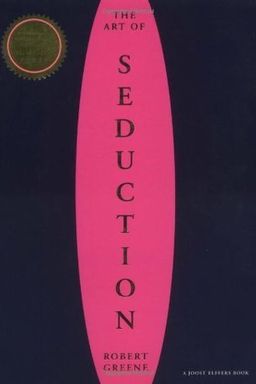
Seduction, in this book’s conception, is neither a shallow game nor an exercise in sexual indulgence. It is a deliberate, disciplined psychological warfare of imagination. The author claims it to be one of the oldest forms of social and emotional power—used by figures from Cleopatra and Casanova to Napoleon and Marilyn Monroe. At its core lies control over fantasy, which means leading another person’s mind where you want it to go while appearing simply to respond to their desires.
Psychological Architecture of Seduction
Seduction begins mentally long before physical surrender. Masters of the art bypass reason and tap emotion through three moves: stimulation, confusion, and withdrawal. You stimulate the imagination by providing rich cues—voice, scent, gesture, or theatrical image—then add ambiguity and paradox so people project meaning onto you (Marilyn Monroe’s breathy voice paired with innocent looks; Andy Warhol’s deadpan manner that invited speculation). Finally, you withdraw strategically to provoke pursuit. As Cleopatra knew, absence and uncertainty produce longing more effectively than attention does.
Theater and Illusion as Social Weapons
Successful seduction blurs the line between reality and theater. Cleopatra’s carpet entrance, Napoleon’s ceremonies with Josephine, and Kennedy’s “Camelot” image transformed mundane interactions into rituals of fascination. The author argues you must craft spectacle—even small rituals of dress or timing—that lift both partners out of ordinary life. This theatrical framing gives permission for passion while distancing both from responsibility. (Note: this mirrors Erving Goffman’s concept of social performance, where identity becomes a stage act.)
Love versus Lust
The book insists you win more by creating enchantment than simple lust. Lust is transient; enchantment binds. Cleopatra and Monroe sustained fascination through illusions of goddesshood, selective vulnerability, and deliberate emotional rhythm. They made people fantasize rather than grab—transforming pleasure into a long spell. To the author, lust is a transaction, while love (even counterfeit love) is enslavement.
A Two-Front Campaign: Self and Other
Seduction operates on two fronts—the persona you build and the psychology of your target. Your persona must be heightened, consistent, and magnetic: part myth, part reality. Then, diagnose the target’s fantasies, using what the text calls “Victim Theory.” Studies of figures like Casanova and Kaoru (from The Tale of Genji) reveal patterns of internal lack or boredom that prime individuals for enchantment. You fill what they lack: adventure, innocence, danger, validation.
Power Beyond Romance
Though the stories are erotic, the argument is larger. Seduction extends into politics, leadership, and business because all rely on the same structure—emotion first, logic later. When you make others imagine, desire, or believe, you gain invisible dominion. Seduction thus becomes the art of emotional engineering, and mastery brings influence across domains.
Core premise
Seduction begins where rational persuasion ends. It turns imagination into captivity. To become powerful, you must learn to enter the other’s fantasy world and quietly steer it—first in their mind, then in their actions.
Seen as a whole, the book teaches that seduction is not manipulation for cruelty’s sake but manipulation as art. It’s the deliberate orchestration of symbols, timing, and emotion—crafting an illusion so persuasive that others choose surrender as if it were freedom.