
Idea 1
The Joy and Power of Living Alone
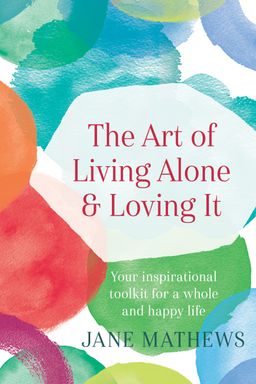
Have you ever wondered what your life would feel like if solitude wasn’t a curse—but a source of freedom, creativity, and power? In The Art of Living Alone and Loving It, Jane Mathews flips society’s assumptions about lone living on its head. She argues that living alone can be one of life’s richest experiences—a period of self-discovery, empowerment, and joy—if you embrace it intentionally. Instead of seeing solitude as synonymous with sadness, Mathews invites you to treat it as a profound opportunity: to create a life that reflects your true self, without apology.
Mathews’ central claim is that living well alone is not about enduring isolation but curating your life with deliberation. She contends that solo living is both an art and a discipline. It requires effort, mental strength, and practical wisdom—skills that can turn what might feel like an unexpected setback (a breakup, divorce, or loss) into a gateway for transformation. Through vivid anecdotes from her own life and insights from philosophy, psychology, and practical living, she shows how solitude can help you become self-reliant, creative, financially independent, and deeply in touch with who you really are.
Why This Book Matters
We live in a world obsessed with coupledom—where forms ask whether you’re “married,” “divorced,” or “widowed,” but never reward the state of being happily single. Mathews challenges these norms. She reminds her readers that living alone is the fastest-growing demographic in modern societies: millions choose to do so, and millions more will end up doing so by circumstance. Yet cultural scripts still treat solo living as failure or tragedy, particularly for women. Mathews claims it’s time to rewrite those scripts entirely.
From her Sydney home with her dog Rory, Mathews takes readers through every dimension of solo life—mental resilience, relationships, health, finances, home, and personal rituals—each a toolkit for flourishing independently. The goal? To stop living by yourself and start living with yourself.
A Map Through the Solitary Landscape
The book unfolds as a roadmap through ten dimensions of independent living. It begins with a philosophical reframing of solitude, helping you see the freedom embedded in it. Then it explores mental strength—what Mathews calls the “tools to keep you strong,” from setting daily rituals to transforming loneliness into purposeful solitude. She moves through relationships—both the internal one you hold with yourself and external connections with family, friends, and potential romantic partners—explaining how living alone can refine empathy and self-worth rather than diminish them.
In later chapters, Mathews tackles practical domains: health, home, cooking, finances, travel, and spirituality. These sections are full of pragmatic advice (“Be your own CEO,” “Treat your body like a business,” “Curate an action board”). She distills wisdom from other thinkers—Aristotle, Suze Orman, Thích Nhat Hanh, and even Oprah—and translates their philosophies into vivid, everyday rituals.
From Survival to Mastery
Mathews’ tone is especially powerful because it combines empathy with humor. She describes the real challenges—killing cockroaches alone, fixing a leaky tap, eating solo dinners, facing holidays without company—but always reframes them as steps toward self-mastery. Her overarching message? Living alone is an active life skill. It demands discipline, creativity, and courage, but also rewards you with freedom, confidence, and pride. Every soloist, she argues, is part of a mighty tribe: courageous individuals who redefine independence for a new era.
A Philosophy of Choice
Ultimately, The Art of Living Alone and Loving It is about choice. You can live in regret and isolation, mourning the partnership that didn’t happen—or you can embrace this new state as a chance to design a life exactly the way you want it. Mathews insists that freedom, creativity, and authenticity are the soloist’s greatest gifts. Solitude, when cherished, becomes your sanctuary and stage. It allows you not just to survive—but to thrive magnificently in your own company.
Across its pages, Mathews dismantles stereotypes, builds practical habits, and rekindles your inner fire to live alone with confidence and grace. She invites every reader—whether recently single, long-time independent, or simply curious about solitude—to turn living alone into not just an act of independence, but an act of self-love.