
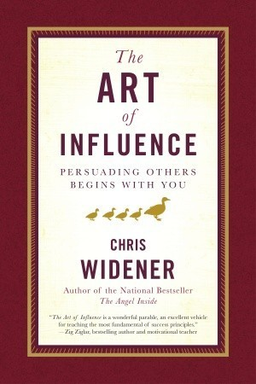
The Art of Influence cover

The Art of Influence

by Chris Widener

The Art of Influence reveals timeless principles to transform you into a leader others naturally respect and follow. Through engaging parables, Chris Widener shows how integrity, positivity, and excellence can establish your influence, drawing people in and inspiring them to greatness.

The Art of Influence — Becoming a Person Others Choose to Follow

How can you become someone people choose to follow—not because they have to, but because they want to? In The Art of Influence, Chris Widener argues that real success in business and life is not primarily about power, position, or persuasion; it’s about becoming the kind of person whose character and attitude naturally draw others in. Widener contends that influence is the art of business. You can master finances, marketing, and strategy (“the science of business”), but true leadership and success come from mastering influence—the art of connecting with and changing people through who you are rather than what you demand.

Through an engaging narrative, Widener tells the story of Marcus Drake, a young and ambitious business school graduate who, thanks to an unexpected gift from his grandmother, spends several days learning from billionaire Bobby Gold. Gold embodies the principles of influence not as manipulation or persuasion techniques, but as personal transformation. Over the course of Marcus’s mentorship, Gold reveals that influence begins with integrity, grows through optimism, thrives on empathy, and culminates in excellence.

Influence Is About Who You Are, Not What You Say

Widener draws a sharp line between persuasion and influence. Persuasion, he writes, is about convincing others to act—it’s external and technique-driven. Influence, on the other hand, comes from internal qualities. It’s about becoming the kind of person others want to follow. Bobby Gold teaches Marcus that buyers and followers make the decision to be influenced. You can’t force influence; you earn it through your character, skills, virtues, and consistency. People will trust you only if your inner reality matches your outer presentation. (This theme closely echoes Stephen Covey’s concept of character ethics in The 7 Habits of Highly Effective People.)

The Science vs. The Art of Business

Early in their conversations, Bobby contrasts Marcus’s MBA training—the science of business—with what he calls the art. Numbers, formulas, and strategies are repeatable and predictable. Influence isn’t. It’s subtle, human, and personal. When two executives with identical technical skills diverge in career success, the difference lies in how effectively they influence colleagues and clients. Bobby shares stories from his own rise to billionaire status, demonstrating that his greatest triumphs came from his ability to inspire trust and loyalty, even more than his technical prowess.

In this sense, Widener’s book bridges traditional business education with emotional intelligence (similar to Daniel Goleman’s Emotional Intelligence). It asks: Are you working only on your technical mastery, or are you shaping yourself into someone people genuinely want to support?

The Four Golden Rules of Influence

The arc of the story leads to Gold’s “Four Golden Rules of Influence,” timeless principles guiding anyone seeking personal and professional success:

  • Live a life of undivided integrity — The foundation of trust and authenticity.
  • Always demonstrate a positive attitude — The magnet that attracts followers and opportunity.
  • Consider other people’s interests more important than your own — The secret to genuine relationships and loyalty.
  • Don’t settle for anything less than excellence — The commitment that sustains influence and respect over time.

Each rule is embodied in different mentors and situations—from Bobby’s business meetings to conversations with baseball manager Tom Martin and hotel magnate Paul Diamond. Through these lessons, Marcus learns that influence is earned through daily actions, not grand speeches.

Why These Ideas Matter

Widener’s purpose, much like Jim Rohn’s and Zig Ziglar’s teachings, is to show that leadership and success begin from the inside out. You can’t manipulate your way to lasting impact; people must choose to be influenced by you. This distinction is fundamental in today’s world of social media “influencers,” where popularity often replaces substance. The Art of Influence redefines influence as ethical leadership by example—it’s what allows you to shape people’s lives, make sound decisions, and contribute meaningfully to society.

Core Message

Influence is not something you do to others—it’s something you become. Success is not merely measured by wealth, but by the number of people whose lives are better because of your integrity, positivity, empathy, and pursuit of excellence.

In short, Widener’s book isn’t just about business—it’s a parable about human growth. It invites you to think: Are you living in a way that others want to follow? Are you cultivating the character, compassion, and excellence that form the true art of influence? By answering these questions, you begin your own transformation—from someone who persuades to someone who inspires.


Integrity — The Foundation of Influence

Chris Widener’s first golden rule, Live a life of undivided integrity, is introduced through Bobby Gold’s business dealings. When Bobby meets a company’s executives to consider investing fifty million dollars, he quietly watches as their CFO instructs his assistant to lie about sending a package on time. To Marcus, it seems trivial. To Bobby, it’s decisive. He immediately decides not to pursue the deal. Why? Because if someone lies about small matters, he says, how can you trust them on large ones?

Integrity Means Wholeness

The word “integrity” shares its root with “integer”—a whole number. Integrity, therefore, is living a whole life. If part of you is truthful and part deceitful, you become divided. This division destroys trust, and trust is the currency of influence. Bobby’s example shows Marcus—and you—that people follow those they can rely on completely. Every crack in integrity, no matter how small, grows over time.

Perfection Isn’t Required, But Honesty Is

Widener clarifies that integrity isn’t perfection. Everyone makes mistakes, but leaders with influence admit them and fix them. Bobby compares integrity to concrete: structural engineers watch for small cracks, because left unchecked, they bring down buildings. Leaders who ignore ethical cracks—lies, shortcuts, or broken promises—eventually lose everything. Followers don’t expect perfection, but they do expect transparency and accountability.

Ethos Holds Everything Together

Bobby cites Aristotle’s Rhetoric, reminding Marcus that true influence rests on three pillars: logos (logic), pathos (emotion), and ethos (ethics). Without ethics, logic and passion collapse. In business—and leadership—ethos determines whether people view your words as credible. This connected idea echoes both Dale Carnegie’s emphasis on sincerity in relationships and Covey’s focus on character as the foundation for trust.

Lesson to Apply

Integrity is a daily commitment, not a self-image. Every choice—whether you exaggerate a report, overlook a promise, or tell a small lie—either strengthens or breaks the foundation of influence.

Bobby’s refusal to invest in the dishonest CFO teaches Marcus the first truth of influence: Without integrity, everything else collapses. Followers, clients, and colleagues decide whether to let you influence them—and if your integrity is cracked, they’ll walk away. In a world full of shortcuts, remaining whole is the boldest path toward lasting success.


The Power of a Positive Attitude

Widener’s second golden rule—Always demonstrate a positive attitude—comes alive through baseball manager Tom Martin, a character modeled after optimistic real-world leaders. Martin, who turned Bobby Gold’s struggling team into champions, explains to Marcus that influence begins with outlook: people follow those who lift them up, not those who tear them down.

Positivity Is a Choice

Tom teaches that optimism isn’t naive cheerfulness—it’s a conscious choice. The word “optimism” comes from “opt,” meaning to choose. Each day, you can choose how to see and respond to challenges. When mistakes happen, most ask “Why did this happen to me?” Martin says the better question is “What good can come from this?” This reframing shifts your focus from blame to growth, turning problems into opportunities for improvement.

Vision Shapes Reality

Attitude shapes perception—and perception shapes influence. Martin’s metaphor of an ophthalmologist emphasizes that optimism is about how you see the world. When leaders view setbacks as temporary and solvable, they inspire followers to persist. In business, this mirrors the leadership psychology of Martin Seligman’s work on learned optimism: positive expectations create resilience and better performance.

The Influence of Words

Words, Martin says, have “the power of life and death.” A manager’s criticism can destroy confidence for years, while genuine encouragement can ignite extraordinary performance. He proved this with star player Carlos Menendez. Chewed out by a negative coach, Menendez’s batting collapsed. When Martin told him repeatedly he was still the best hitter in baseball, his confidence—and his results—soared. Influence is verbal, emotional, and psychological: leaders speak people up, not down.

Key Takeaway

Your attitude is contagious. When you choose positivity, others mirror it. When you choose negativity, influence dies. Optimism makes people want to follow you because it gives them hope.

Widener’s message echoes Zig Ziglar’s timeless idea: “Your attitude, not your aptitude, determines your altitude.” Leaders shape the emotional climate for everyone around them. By choosing hope, reframing setbacks, and speaking with encouragement, you become a source of strength—and that’s what draws people toward you.


Putting Others First

Widener’s third golden rule—Consider other people’s interests as more important than your own—reveals the heart of lasting influence: genuine concern for others. Bobby Gold demonstrates this through “leadership by walking around.” During games at his stadium, he personally chats with ushers, vendors, and maintenance crew about their families, hobbies, and health—not about profits or performance. His goal is connection, not control.

Leadership by Interest

Bobby tells Marcus, “People do business with people they like.” His uncle Walt, a tractor salesman, summed it up perfectly: “My customers like me better than the other guy.” Being likable in business means being genuinely interested in others. Leaders who only inspect and criticize become feared, not admired. But those who listen, care, and remember names earn loyalty that no paycheck can buy. This principle appears across leadership literature—from Dale Carnegie’s How to Win Friends and Influence People to contemporary servant leadership models.

Empathy in Action

Bobby teaches his daughter Megan the same lesson at her coffee-shop job. When her tips jump from $25 to $75 a day, she explains, “I finally figured people out. People love to talk about themselves.” By asking genuine questions—where they work, whether they have kids—she doubles her income and builds trust. Widener uses this allegory to remind you: influence doesn’t come from selling harder; it comes from caring deeper.

The Reciprocity of Caring

When leaders prioritize others’ interests, it’s not self-sacrifice—it’s strategic empathy. Employees who feel heard work harder. Customers who feel respected stay loyal. Family members who feel valued offer support. Widener’s message resonates with Robert Greenleaf’s foundational idea of servant leadership: serving others first gives you the moral authority to lead them later.

Practical Reminder

To gain influence, be both interesting and interested. Talk less about yourself and more about others. When people know you want what’s best for them, they’ll trust your leadership far beyond obligation.

Widener underscores that putting others first isn’t weakness—it’s power through compassion. In every setting—team, business, or family—leaders who sincerely value others build the kind of loyalty that transforms influence from temporary persuasion into lifelong impact.


Excellence — The Magnet of Respect

The fourth golden rule, Don’t settle for anything less than excellence, is taught by billionaire Paul Diamond, Bobby’s peer and rival. Diamond’s empire of luxury hotels symbolizes the principle he lives by: excellence attracts influence. People naturally gravitate toward those who perform at the highest standards—whether in craftsmanship, ethics, or leadership.

Excellence in Seven Dimensions

Diamond outlines seven areas of personal excellence: physical appearance, emotional health, intellectual growth, spiritual depth, relationships, financial success, and charitable giving. For him, this holistic approach makes excellence more than performance—it’s a lifestyle. Excellence begins in how you dress and speak, continues through emotional and mental resilience, and reaches its peak in giving back to others. Each facet strengthens your credibility and extends your influence.

The Law of Attraction in Simplicity

When people see excellence, they are drawn to it. Diamond demystifies the popular “law of attraction”: success attracts success because people admire quality. Influence operates on the same principle—your standards signal who you are. Leaders with sloppy habits, poor communication, or inconsistent ethics repel trust. Those who pursue excellence make others want to follow, emulate, and engage with them.

Small Details Define Big Influence

Diamond embodies this principle personally. Walking through his properties, he picks up small scraps of paper from the floor himself. Staff notice, internalize his commitment, and mirror his high standards. Excellence isn’t perfectionism—it’s care for details that communicate respect. Followers see how much you value quality when you model it yourself.

Excellence and Generosity

Diamond connects excellence to giving. “To whom much is given, much is required.” His wealth funds global charities and microloans just like Bobby’s humanitarian projects. Influence, he argues, grows when you use excellence not only to succeed, but to serve. For you, that means holding high standards while contributing meaningfully—measured not just by profits, but by the impact you make.

Essential Truth

Excellence is moral leadership in action. When you strive for the best in every area of life, you earn respect—and respect is influence.

Widener’s portrayal of Diamond reinforces the book’s overarching message: the most powerful voices in business are not those shouting loudest, but those living with exceptional standards. Excellence is the magnet that attracts respect, trust, and followers for a lifetime.


Fishing vs. Hunting — The Psychology of Influence

In one of Bobby’s most memorable lessons, he contrasts persuasion with influence through a vivid metaphor: Are you hunting or fishing? Young, aggressive professionals, Bobby says, tend to be hunters—they chase, push, and pressure. Influential people, in contrast, fish—they attract calmly, patiently, and with intention. The difference defines how relationships, sales, and leadership unfold.

Hunting Alienates, Fishing Attracts

Hunting makes people run. Bobby compares overeager salespeople to hunters stalking prey—customers instinctively flee the pressure. Influence works the opposite way: by relaxing, listening, and letting others choose. During a negotiation call, Bobby gives Marcus an example—he lets the seller chase him, holding control through patience. This is fishing in action: letting opportunity come to you by being attractive rather than aggressive.

The Four Principles of Fishing

Bobby outlines four principles for effective fishing—and therefore influence:

  • Have fish: Opportunities are abundant. Don’t act desperate; there will always be more prospects.
  • Go where the fish are hungry: Meet people when they’re ready and open, not when they’re resistant.
  • Use the right bait: You are the bait—your character and competence attract others.
  • Perfect your presentation: After developing credibility, how you present yourself seals the deal.

You Are the Bait

Perhaps the most profound of these ideas is that you are the bait. People aren’t buying what you sell—they’re buying who you are. This mirrors Dale Carnegie’s timeless advice: “You can make more friends in two months by becoming interested in people than in two years by trying to get people interested in you.” Bobby’s example of the young executive with an odd hairstyle reinforces that presentation matters—but only after character is in place. A great message can’t overcome poor authenticity.

Influence Insight

Don’t chase people. Attract them through character, patience, and authenticity. Influence is magnetic, not mechanical.

Widener’s fishing metaphor extends beyond sales—it’s about life philosophy. You gain influence not by pursuing harder, but by becoming someone worth pursuing. The moment you stop hunting and start serving, trusting, and waiting wisely, you move from persuasion to genuine influence—the kind that endures because it’s earned through who you are.


Transformation Through Influence

The story’s conclusion ties every lesson together with personal transformation. Marcus begins his journey chasing wealth and prestige; he ends it understanding that true success comes from changing yourself to change others. Bobby Gold tells him early on: “Influence is a gift people give you. You just have to become worthy of it.”

Becoming, Not Doing

Influence isn’t a verb—it’s a state of being. Bobby’s mentorship forces Marcus to reflect on his character, his attitude toward others, and his pursuit of excellence. By embodying the four golden rules, Marcus transitions from a persuasive businessman into a transformative leader. He inherits not just money but vision—the understanding that leadership begins within and radiates outward.

Legacy and Impact

In the book’s ending, Bobby leaves Marcus a $50,000 check and offers to invest half a million later—a symbol of trust based not on skills but character. But his real gift is the wall hanging of the four rules. Bobby’s closing message—use your influence to help others—reflects the moral arc of the narrative. Influence is not accumulation; it’s contribution. This echoes Napoleon Hill’s view that success without service is hollow and Jim Rohn’s teaching that “you must learn to work harder on yourself than you do on your job.”

Influence as a Life Philosophy

Marcus’s transformation mirrors the reader’s journey. The real question becomes personal: Who are you becoming? Are you earning the right to influence others? The story pushes you toward daily self-examination—your integrity, your optimism, your empathy, your pursuit of excellence. When these become habits, influence ceases to be an effort and becomes your identity.

Final Thought

Influence is not about demanding followership. It’s about living so well that others choose to follow. Success and significance flow naturally when your life itself is the art of influence.

Through Marcus’s new beginnings, Widener reminds you that the greatest wealth is the legacy of character. Title and position fade; influence remains. You change the world not through persuasion, but through transformation—your own, and then others’.

Dig Deeper

Get personalized prompts to apply these lessons to your life and deepen your understanding.

Go Deeper

Get the Full Experience

Download Insight Books for AI-powered reflections, quizzes, and more.