
Idea 1
Fighting Smarter: Transforming Conflict into Connection
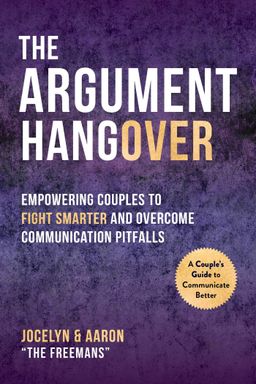
How do you handle the emotional fog that lingers after a fight with someone you love? In The Argument Hangover, relationship coaches Aaron and Jocelyn Freeman make the case that what damages relationships is not conflict itself, but how couples mismanage the aftermath—the painful period they call the Argument Hangover. They argue that fights aren't signs of failure; rather, they're opportunities to deepen understanding and grow as partners.
The Freemans contend that most couples were never taught how to handle disagreements constructively, which is why fights spiral into yelling, avoidance, or cold silences. Just as hangovers happen when you've overindulged, emotional hangovers follow when arguments are mishandled. The book presents tools for shortening these hangovers and transforming disagreements into moments of connection. It’s a practical, psychologically informed guide drawn from relationship research and their experience coaching thousands of couples.
Conflict Isn’t the Enemy
Rather than avoiding disagreements, the Freemans urge you to redefine conflict. A disagreement simply means two people have different perspectives—something inevitable and even beneficial because contrast brings growth. They echo insights from the Gottman Institute (known for predicting divorce based on communication patterns), arguing that defensiveness, criticism, and contempt—not difference—destroy relationships. Healthy couples confront tensions early and calmly, avoiding emotional residue that can last hours, days, or even years.
The Emotional Hangover
A vivid metaphor animates the book: an argument hangover feels like a food or alcohol hangover. You gorge on emotion—the anger, resentment, or righteousness—and wake up drained, regretful, and wondering how to reconnect. That emotional aftermath can be lethal if ignored. The Freemans define this hangover as the period between conflict and emotional resolution. It can last minutes or years, depending on how you handle triggers, communication styles, and post-conflict repair.
The solution is to shorten that hangover by acquiring skills no one teaches: self-awareness, emotional regulation, and genuine listening. As the authors put it, love alone isn’t enough; habits and skills keep a relationship thriving. A healthy partnership runs on purpose and personal growth, not fear or blame.
The Framework of Relationship Mastery
Throughout the book, the Freemans guide you through nine stages or “chapters of relationship hygiene”—moving from understanding what the hangover is, to transforming conflict, identifying emotional triggers, and creating actionable plans before, during, and after disagreements. They then introduce communication personality types to illustrate why partners clash, and end with the ingredients for creating lasting love: kindness, compassion, joy, and freedom.
Every chapter builds a skill set: learning the “before conflict” agreements (ground rules that prevent escalation), mastering the “during conflict” communication tools (speaker-listener roles, time-outs, body-awareness), and practicing “after conflict” repair rituals (reflection, responsibility, and reconnection). Later, they show how your individual triggers and traits amplify or suppress these skills, and how you can consciously redesign old patterns.
Why This Book Matters
The Freemans’ teachings fill the gap between casual self-help and clinical therapy. Whereas traditional marriage counseling often addresses emergencies, this book offers preventative education. They frame relationship health like physical fitness—you don’t wait until you’re sick to get stronger. By developing emotional capacity now, you reduce future pain. This philosophy echoes Daniel Goleman’s concept of emotional intelligence and Stephen Covey’s habit “Seek first to understand, then to be understood.”
Ultimately, The Argument Hangover is about responsibility and awareness. You can’t control your partner’s actions, but you can control your response. With conscious practice, your fights can become springboards for intimacy rather than sources of regret. As the Freemans remind us, “Progress equals happiness” (a nod to Tony Robbins). Love isn’t a passive emotion—it’s a decision, a practice, and a set of everyday actions fueled by empathy and understanding.
Core message
Conflict isn’t proof that love is fading; it’s proof that growth is possible. When you learn to fight smarter—through awareness, listening, and compassion—you transform confrontation into connection. And when you master recovery, you master love itself.