
Idea 1
The Architecture of Happiness: How Buildings Shape Our Inner Lives
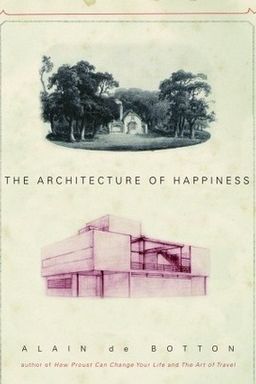
Have you ever walked into a space that made you feel instantly calmer, more focused, or somehow more yourself? In The Architecture of Happiness, philosopher Alain de Botton explores a compelling idea: the buildings and objects around us aren’t just physical shelters—they’re emotional mirrors. Architecture, he argues, speaks to who we are, who we might become, and how intimately our surroundings influence our sense of happiness and identity.
De Botton contends that our environment possesses moral and psychological weight. A beautiful building can nurture the noblest parts of us, while an ugly one can repress them. Yet architecture’s promise is both profound and modest—it can reflect our ideals, but not resolve our deepest woes. He invites readers to look beyond questions of taste or style and instead ask what our surroundings say about our hopes, our fears, and our human need for coherence and comfort.
Architecture and the Emotion of Place
De Botton begins with an intimate observation: we are different people in different places. A serene kitchen, bathed in morning light, might bring out patience and tenderness; a cramped office might provoke anxiety and irritation. Architecture is, for him, a kind of art of expectation—it visualizes how we wish to live. He recounts the countless ways houses embody emotional states: warmth and simplicity, austerity and order, even melancholy and hope. “An ugly room can coagulate any loose suspicions as to the incompleteness of life,” he notes, while a sunlit one might awaken optimism.
The Elusive Promise of Beauty
But de Botton is not blind to architecture’s failures. Beautiful houses, he reminds us, cannot guarantee happiness. They may shelter unhappy marriages or discontented souls. Architecture offers suggestions rather than solutions—it can point us toward certain virtues but cannot enforce them. The Villa Savoye by Le Corbusier, for example, aspired to rational elegance and purity, yet leaked constantly, leaving the family ill and frustrated. Beauty speaks to our ideals but never perfectly contains them. Like all art, architecture creates a tension between what is and what might be.
Why Style and Function Matter
Throughout the book, de Botton traces our evolving sense of what beauty means—from the symmetry of Classical architecture to Modernism’s clean lines and the Gothic’s grandeur. He reminds us that each era sought not just aesthetic pleasure, but moral clarity. Classical buildings represented order and harmony; Gothic cathedrals evoked humility and awe; Modernism aimed for honesty and function. The question, “In what style shall we build?” becomes a philosophical one: what values should our buildings embody today? He suggests that the way we construct and decorate is a material reflection of our inner conflicts—between reason and emotion, tradition and progress, individuality and community.
Buildings That Talk
In his most imaginative explorations, de Botton proposes that buildings talk. They express moods—arrogance, humility, openness, or secrecy. A façade, he says, can be read like a human face. He likens cities to conversations among buildings, each speaking of different conceptions of happiness. A skyscraper might proclaim ambition and mastery, while a cottage whispers domestic warmth. These expressions help us interpret our surroundings as moral landscapes, shaping how we behave and what we value.
Home and the Memory of Self
In later chapters, de Botton explores the idea of home—not merely a place but a psychological anchor. We turn to our homes to remind ourselves who we are, to preserve fragments of identity that the world threatens to erode. Religious spaces exemplify this need with even greater intensity. Medieval cathedrals, Islamic mosques, and Zen temples all arise from the same conviction: environment shapes belief. A space saturated with beauty, symmetry, and calm can enlarge the human spirit.
Ideals, Balance, and Coherence
The book ultimately becomes a meditation on balance: between luxury and modesty, order and complexity, strength and elegance. De Botton celebrates buildings that embody emotional maturity—those that balance opposites just as we must in ourselves. In describing Gothic cathedrals or Swiss modernist homes, he admires their elegance not only as technical feats but as manifestations of grace under pressure.
The Fragility and Power of Beauty
Finally, de Botton closes with an appeal to consciousness. Architecture is a protest against chaos, a gesture of hope that life might be made coherent. We owe it to our fields, our cities, and our own happiness to build intelligently—to create spaces that support our better selves. “We should be as unintimidated by architectural mediocrity,” he writes, “as we are by unjust laws.” In shaping our surroundings, we shape our destiny. The pursuit of beauty, however fragile, remains a promise of happiness itself.