
Idea 1
The Business Logic of Saying Sorry
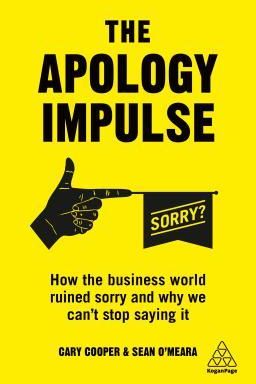
When you hear a company apologize, it may sound like an act of conscience. In truth, most organizational apologies are economic instruments. They are calculated moves to restore, protect, or even enhance trust — not merely gestures of remorse. This book argues that corporate contrition follows incentive structures: firms say sorry when it helps shareholder value, customer retention, or regulatory compliance, and they withhold it when it doesn’t.
Apologies as Economic Decisions
Apologies have costs and returns. Sometimes they are transactional, such as retailers offering refunds or vouchers for small errors — a cheap signal that keeps customers calm. At other times, they are strategic investments: KFC’s humorous “FCK” print advert after a supply failure or Build-A-Bear’s CEO apology after a failed promotion both restored public goodwill and produced measurable recovery. Economists might call these “apology dividends,” where the gesture pays reputational returns greater than its cost.
A true apology, as Professor Roy Lewicki’s framework notes, must include regret, responsibility, explanation, repentance, repair, and a request for forgiveness. But as the book shows, these moral components are selectively deployed depending on incentives. When forced by regulators (as with Wells Fargo’s campaign after its fake accounts scandal), apologies become compliance exercises. When sincere, as with GM CEO Mary Barra’s congressional testimony, they can launch internal culture reform.
Culture, Operations, and Market Friction
The difference between operational and cultural failure dictates how an apology should work. Operational mistakes — a missed flight, a wrong order — demand competence over emotion. Refunds or fixes are the right currency. Cultural failures, however, cut along values — diversity, safety, or inclusion — and damage the identity customers associate with brands. Recovering from these requires deeper gestures: policy shifts, leadership accountability, or structural change.
Market friction also shapes apology behavior. In low-friction markets (fast food, retail fashion), customers can switch easily, so companies apologize frequently for even minor slights. In high-friction markets (banking, utilities), apologies are rarer and aimed at concrete service reliability. Uber tailoring apologies to New York customers due to Lyft’s threat shows how apology strategy follows competition density — a lesson that applies as much to politics as to business.
The Media and Outrage Economy
Digital outrage and what the authors call “outrage capitalism” create artificial pressure for apologies. Platforms profit from moral conflict. Stories about everyday missteps — a mislabeled product, a stray tweet — become viral events, driving clicks and advertising. A 2018 audit found that UK firms averaged more than one public apology per day, evidence that “sorry inflation” is real. In this economy, brands face “contrition fatigue”: constant, low-caliber mea culpas that numb both public and internal responsiveness.
That dynamic fuels performative remorse. Outlets reward apology stories because they fit a neat narrative arc — problem, outrage, atonement — regardless of whether harm exists. This cycle explains why Paperchase once polled Twitter users about whether to apologize, outsourcing moral decisions to mob sentiment. To survive, organizations need protocols that resist reflexive humility and instead center measurable harm.
Language, Optics, and the Anatomy of Failure
Words betray motives. “We take privacy seriously” often signals a fauxpology — a phrase engineered to look caring while avoiding liability. The book dissects linguistic evasions: passive voice (“mistakes were made”), modal verbs (“may have been affected”), and fabricated jargon (“runway excursion incident” instead of plane crash). When organizations hide agency or minimize specificity, savvy audiences detect deflection. Great apologies name the actor and the action in plain language: “We overcharged you. We’ll refund today.”
Media framing compounds these linguistic failures. “Apology laundering” turns neutral clarifications into public mea culpas: Waitrose’s factual statement about a sandwich name became a headline apology after media reinterpretation. Thus, managing optics — anticipating how messages look, not just what they say — becomes essential. Topman’s T-shirt controversy shows how even innocent intent can collapse under hostile optics once activists and politicians join.
Human and Strategic Consequences
Apologies reverberate internally. Starbucks’ 2018 nationwide closure for bias training soothed public critics but strained staff and altered store safety norms. Similarly, Chipotle’s premature staff firing after a dine-and-dash incident illustrates how unexamined contrition can harm employees intended to be protected. Apologies should never be PR performances that offload emotional or logistical costs onto frontline staff — they must be paired with operational coherence.
Ultimately, the authors redefine apologies as acts of strategy: multi-layered decisions balancing sincerity, timing, and self-interest. Leaders must weigh costs, competitors, public mood, and integrity — because “sorry” is a limited currency. Spend it when it repairs, not merely when it placates. Done well, apology becomes an engine for trust and reform; done lazily, it becomes noise in the outrage economy.