
Idea 1
The Art of Getting Wealthy and Happy
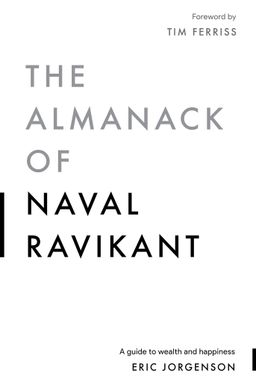
How do you get rich without losing your soul—or spend your life fulfilled rather than constantly chasing what’s next? That’s the question at the heart of The Almanack of Naval Ravikant, compiled by Eric Jorgenson. Drawing from Naval Ravikant’s podcasts, tweets, and interviews, the book brings together two timeless quests: the pursuit of wealth and the mastery of happiness. Naval argues that the path to both isn’t about luck, privilege, or connections—it’s about cultivating knowledge, leverage, and inner peace.
Naval, an entrepreneur and investor known for founding AngelList and investing early in companies like Uber and Twitter, became a philosopher of modern prosperity. For him, wealth is freedom, not greed. Happiness is peace, not pleasure. This book proposes that anyone—starting from almost any situation—can build both, provided they understand how money really works and how to free the mind from craving and fear.
From Money to Meaning
Naval’s life reflects the archetypal modern success story: a poor immigrant who built startups, became financially independent, and later turned inward to study happiness, philosophy, and science. But what distinguishes him is his insistence that financial success and spiritual peace are not opposites—they form a continuum. You first master the external game of wealth to gain freedom from material constraints, then learn the internal game of happiness to gain freedom from mental constraints.
Jorgenson structures the book around those two pillars: Part I, Wealth, explores how to create wealth “without getting lucky.” Part II, Happiness, shows how to unlearn desire and cultivate peace. Later chapters on philosophy and self-mastery merge the practical and the profound, reminding readers that clear thinking, self-discipline, and self-knowledge are the ultimate forms of leverage.
A New Philosophy of Wealth
At the core of Naval’s wealth wisdom lies a simple but radical statement: “You’re not going to get rich by renting out your time.” The traditional model of exchanging hours for dollars caps freedom. True wealth arises from owning assets—businesses, code, or media—that earn while you sleep. To do that, you must cultivate specific knowledge (skills no one can easily teach), accountability (the courage to take ownership), and leverage (tools that multiply output without increasing effort).
This worldview mirrors thinkers like Charlie Munger and Peter Thiel, but Naval translates their principles into modern, internet-age practice. As he puts it, the Internet has “massively broadened the possible space of careers.” Anyone can now productize themselves—turning their unique curiosity, code, art, or voice into scalable value. Freedom in the digital age doesn’t depend on permission from bosses or institutions; it comes from learning to build and sell independently.
The Science of Happiness
After showing how to earn freedom, Naval turns to how to enjoy it. Drawing from Buddhist philosophy, Stoicism, and cognitive science, he argues that happiness is not found—it’s learned. It’s a skill as trainable as programming or running a business. The key, he says, is recognizing that desire is a contract you make with yourself to be unhappy until you get what you want. Once you learn to reduce unnecessary desires, you find yourself at peace in the present moment.
He redefines happiness as “the absence of desire, especially the desire for external things.” The mental chatter that defines modern life—anxiety, comparison, distraction—can be quieted through awareness, presence, and acceptance. Naval’s approach to happiness combines science (understanding the brain’s reward systems) and spirituality (silencing the self or “monkey mind”). The result: not blissful ignorance, but lucid freedom.
Why It Matters
Naval’s ideas resonate because they merge Silicon Valley realism with ancient philosophy. In an era when millions chase startup riches or social status, his message reframes ambition: wealth is worthwhile if it buys you time, autonomy, and peace. Once you gain those, the real game begins—mastering your mind and finding joy in the present.
Across the book, you’ll encounter principles that feel both timeless and tailored for the digital economy: compound your relationships and knowledge like interest; choose partners with integrity; build long-term games with long-term people; separate wealth creation from social approval; and finally, free yourself—from anger, status seeking, and distraction.
Together, these lessons form what you might call the modern stoic’s blueprint: build assets that work for you, quiet your mind, and design a life that feels effortless because your work and nature align. In the end, Naval leaves us with a paradox as old as philosophy itself: once you have wealth, you realize what you really wanted was peace. Learn both, and you’ve mastered the only two games worth playing.