
Idea 1
Raising Addiction‑Resistant Kids
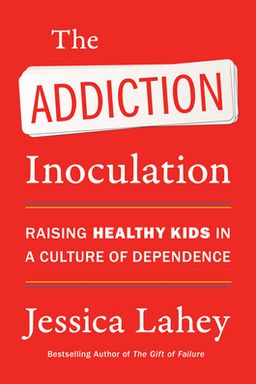
How can you raise children who grow up resilient to substance use in a culture that glorifies alcohol? In The Addiction Inoculation, Jessica Lahey argues that addiction prevention begins not with rules, but with truth—honest conversations about family history, brain science, and cultural mythologies surrounding use. She combines memoir, classroom experience, and research to show you how small, consistent parenting changes can fundamentally alter a child’s trajectory.
From Personal Reckoning to Universal Advice
Lahey’s story begins bluntly: “Hi, my name is Jess, and I’m an alcoholic.” That admission anchors her authority. Having lived the destructive secrecy that shielded addiction inside her family—euphemisms about “naps” and “bad moods” instead of clear language—she understands how denial breeds shame. Her own recovery becomes the moral foundation for her parenting philosophy: sobriety gives her back clarity and trust, turning her past into a manual for prevention. As both a mother and teacher at an adolescent rehab center, she sees how genetic risk meets cultural normalization, and how to interrupt that pattern before it takes root.
The Cultural Machinery Behind Addiction
You can’t teach prevention without first understanding how substances became socially charged. Alcohol isn’t just ubiquitous—it’s ancestral, tied to community, pleasure, and political rituals. Anthropologist Brian Hayden traced its use as tool of alliance; early colonists built taverns into the civic fabric; Prohibition later medicalized what temperance had moralized. Lahey connects that history to today’s parenting dilemma: when drinking is presented as self-care or hospitality, children absorb contradictory cues. Prevention must therefore begin by editing those cultural scripts and replacing secrecy with transparency.
Biology and Developmental Gaps
Lahey brings neuroscience to bear on the parenting task. Adolescents don’t simply make poor choices—they have brains wired to amplify novelty and reward. The dopamine system lights up for risk long before the frontal cortex, which governs inhibition, matures. That developmental lag means you must design environments that match biology: give teens safe ways to chase dopamine in sports, creativity, and connection. Understanding this gap also reframes punishment; you don’t demand perfect foresight from brains that are still wiring it. Instead, you scaffold self-control through habits and healthy reward.
Risk, Resilience, and the Scale of Prevention
Risk isn’t destiny. Genetic factors account for about sixty percent of vulnerability, but environment and trauma modulate outcome. Lahey uses ACEs—the Adverse Childhood Experiences framework—to translate statistical risk into moral urgency. High ACE scores correlate with exponential risk, but they also show leverage points: stable routines, mental-health care, and parental honesty can recalibrate outcomes. Her metaphor is a scale—every protective behavior you add tips the balance toward resilience. That’s the optimism at the center of her method.
The Conversational Practice of Prevention
For Lahey, prevention lives in conversation. You start early—using preschool language to name emotions and build self-awareness—and continue into high school with factual, respectful dialogue. Prevention isn’t a lecture; it’s hundreds of small talks folded into life. Family dinners become micro-workshops in listening and self-expression. Rituals like her “Hot Ones” dinners use spicy sauces and playful questions to drop defenses and open honest conversation. This consistent dialogue, especially when matched to a child’s developmental stage, inoculates them against misinformation and secrecy.
Turning Vulnerability into Strategy
At the heart of Lahey’s argument is moral transparency—owning family history so children can make informed choices. She rejects permissiveness masked as openness (“better they drink here than elsewhere”) and promotes clarity anchored in love. Her parenting model merges authority with warmth. You set firm boundaries but do it within trust. You monitor without spying. You teach refusal scripts and exit plans so your child can navigate peer and college pressures with dignity. This approach integrates science, storytelling, and empathy into a repeatable method any parent can adapt.
Core Message
Addiction prevention isn’t about perfection—it’s about persistent truth-telling. When you replace secrecy with knowledge, shame with honesty, and culture’s myths with neuroscience and empathy, you give your child the tools to resist what you could not.
Lahey’s story closes the loop of her thesis: by confronting her own addiction, she learned how families can rewrite inherited scripts. The book becomes both a memoir of recovery and a science-backed parenting manual—showing that prevention starts not in fear, but in love informed by truth.