
Idea 1
Building Strong Families Through Intentional Habits
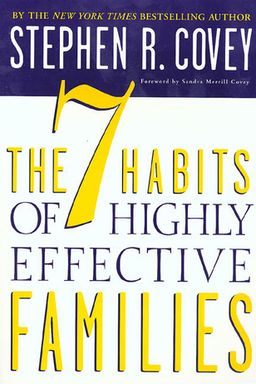
How can you create a family life that thrives in today’s fast-paced, distraction-filled world? In this inspiring book—drawing from themes found in Stephen Covey’s body of work—the focus is on empowering families to live with purpose, connection, and joy. The author contends that lasting family happiness is not a matter of luck or circumstance; it’s the result of cultivating intentional habits rooted in timeless principles such as proactivity, empathy, and renewal.
Through relatable stories, practical tools, and moral wisdom, the book maps out a path for nurturing what truly matters most: the relationships that give life meaning. The guiding idea is simple yet profound—families, like individuals, can shape their destinies through conscious choice. It’s not external circumstances that define us, but how we choose to respond to them. This message is both timeless and urgently modern, especially in a world where technology, stress, and busyness constantly pull families apart.
From Surviving to Thriving: The Power of Choice
At the heart of the book lies Viktor Frankl’s insight from his time in a Nazi concentration camp: between stimulus and response lies human freedom—the ability to choose our attitude regardless of circumstance. This perspective re-emerges here as the foundation for Habit 1: Be Proactive. For families, this means taking responsibility for creating a home atmosphere built on choice, not reaction. Parents model emotional awareness, integrity, and initiative; children learn responsibility and resilience. Instead of being victims of circumstance or blaming genetics, the proactive family chooses its path forward.
The author identifies four unique human gifts that empower this freedom: self-awareness, conscience, imagination, and independent will. Together, they allow individuals—and by extension families—to envision and act upon a future different from their past. A proactive family doesn’t wait for life to happen; it designs the kind of relationships, routines, and values it wants to live by.
Living by Priorities, Not Pressures
Many people proclaim that family comes first—but if you check their calendars, the evidence often says otherwise. The book challenges this disconnect by introducing Habit 3: Put First Things First. The idea is that priorities must be reflected in the way time and attention are spent. Through the concept of “Big Rocks,” families can identify their most important shared activities—like regular meals, weekly family nights, cherished traditions, and one-on-one time—then schedule them before smaller tasks fill the calendar. This practice shifts the family’s center of gravity toward what nurtures emotional closeness and long-term growth.
The underlying principle is balance: families need systems and structure, but those systems must be flexible enough to serve people, not the other way around. A family calendar packed with meaningful rituals—not just logistical obligations—becomes a living symbol of time invested in love, communication, and renewal.
Communicating for Connection, Not Control
If love is the foundation of family life, communication is the bridge that sustains it. Habit 5—Seek First to Understand, Then to Be Understood—is about mastering the art of empathic listening. Too often, family communication fails because each person listens with the intent to reply rather than to truly understand. The author suggests that understanding another’s perspective takes courage and humility; it’s about seeing through their eyes before offering advice or judgment. This approach builds what Covey called the “Emotional Bank Account,” a metaphor for trust and goodwill in relationships. Each empathetic act is a deposit; criticism and impatience are withdrawals. Over time, families with fuller Emotional Bank Accounts weather conflicts with grace and strengthen their emotional core.
Renewal: The Family’s Source of Strength
Every family, like an individual, needs to pause and renew. Habit 7—Sharpen the Saw—encourages ongoing growth across four interrelated dimensions: physical, intellectual, emotional, and spiritual. The metaphor of sharpening the saw reminds us that constant busyness dulls connection and productivity. Intentional renewal brings vitality back to family relationships. Vacations, shared hobbies, exercise, reading, laughter, prayer, or reflection are all ways to “sharpen” together. When families invest in these dimensions collectively, they build resilience and meaning that lasts through life’s inevitable stresses.
A Framework for Lasting Family Transformation
Ultimately, this book offers more than advice—it presents a family philosophy. It invites you to imagine your family not as a cluster of individuals coexisting under one roof, but as an interdependent system built on shared purpose. Being proactive, putting first things first, listening with empathy, and continually renewing your bonds are more than habits; they’re a way of life that shapes character, legacy, and joy. As Gandhi said, “Be the change you want to see in others.” In families, that begins with modeling the very habits you hope will define your home.
The power of these timeless principles lies in their simplicity: they remind us that love grows not through grand gestures but through consistent, mindful effort. This path—from awareness to action, from routine to ritual—leads to families that thrive amid all the uncertainties of the modern world.