
Idea 1
The Power of Appreciation in the Workplace
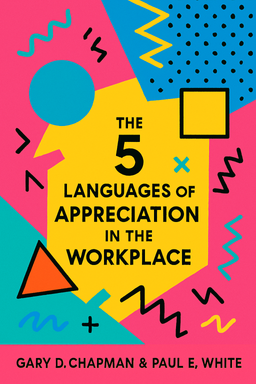
Why do some workplaces thrive with motivation and loyalty while others struggle with burnout and high turnover? In The 5 Languages of Appreciation in the Workplace, Gary Chapman and Paul White argue that the difference often comes down to one thing: whether people feel genuinely appreciated. Just as Chapman’s earlier book, The Five Love Languages, revolutionized personal relationships, this workplace edition transfers that same insight into professional life. The result is a guide for anyone who wants to cultivate authentic appreciation as a daily practice—not a corporate slogan.
Chapman contends that everyone craves appreciation, yet most employees feel invisible. Research cited in the book shows that 64% of workers leave their jobs because they don’t feel valued. Think about that: more than pay, perks, or prestige, people yearn for genuine recognition of their contribution. When employees feel valued, not just compensated, their performance and morale soar. But when appreciation is missing or expressed in ways that don’t resonate, productivity and enthusiasm decline sharply.
Understanding the Human Need for Appreciation
At its heart, the book reveals that appreciation is a universal language—but not a one-size-fits-all formula. Chapman discovered in his marriage counseling that couples often fail to connect emotionally because they ‘speak different love languages.’ The same principle applies at work. An employee who values Quality Time may find little meaning in verbal praise, while someone motivated by Words of Affirmation may not care much for tangible gifts. Understanding these different languages allows managers and coworkers to speak in ways that actually connect.
There are five languages of appreciation adapted from Chapman’s original love languages: Words of Affirmation, Quality Time, Acts of Service, Tangible Gifts, and Physical Touch. Each of these communicates value differently and helps leaders create an environment where individuals feel noticed and respected. Yet Chapman and White emphasize that appreciation must be sincere. Nothing kills motivation faster than perfunctory praise or a top-down corporate 'thank you program.' As they put it, authenticity trumps obligation.
Why Appreciation Matters to Your Organization
The book doesn’t just aim to make workplaces warmer—it argues appreciation has a solid business case. In chapter two, the authors detail how appreciation affects return on investment. Job satisfaction, retention, and customer service improve dramatically when employees feel acknowledged for their efforts. The costliest problem for organizations isn’t salary; it’s turnover. Every time a talented employee leaves, the company loses training, continuity, and morale. Chapman and White cite data showing that the majority of people who quit do so for emotional, not financial, reasons. And appreciation is the antidote.
Appreciation also prevents burnout—a huge issue in today’s lean, high-pressure economy. During times when raises and bonuses aren’t possible, learning to express non-financial appreciation can keep teams motivated. For managers, this book becomes a toolkit for building sustainable enthusiasm even when money is tight. (Covey’s Seven Habits emphasizes emotional security and trust as foundations for effectiveness; Chapman and White’s model complements that by adding emotional value recognition.)
From Recognition to Real Appreciation
One of the book’s major arguments is that recognition and appreciation are not the same. Recognition usually celebrates performance—meeting quotas, hitting deadlines, or reaching years of service. It often comes with plaques or bonuses. Appreciation, on the other hand, recognizes the person, not just the achievement. It’s relational, not transactional. Chapman and White caution that most corporate recognition programs miss the mark because they are formalized, impersonal, and fail to honor individuality. Knowing an employee’s primary appreciation language makes gestures meaningful rather than generic.
The book provides dozens of examples—from nurses and accountants to factory supervisors and schoolteachers—illustrating how customized appreciation transforms morale. Whether it’s a supervisor staying late to help with paperwork (Acts of Service) or offering one-on-one time for conversation (Quality Time), the outcome is the same: deeper connection and reinforced loyalty. Appreciation creates a ripple effect through the organization, fostering unity, engagement, and shared purpose.
The MBA Inventory: Personalizing Appreciation
To put these ideas into action, Chapman and White developed the Motivating by Appreciation (MBA) Inventory, an assessment that helps individuals identify their primary, secondary, and least meaningful languages of appreciation. Using the inventory, managers can target their efforts effectively instead of guessing what works. The book shares stories of teams discovering surprising differences among members—for instance, one employee who hated public praise yet thrived when given quiet support.
Understanding others’ languages also reveals blind spots. The authors describe how a manager who excels at giving affirming words may unintentionally neglect coworkers who value acts of service. Recognizing those gaps turns appreciation from instinct into skill. As the authors state, “The question is not, ‘Do you appreciate your coworkers?’ but ‘Do they feel appreciated?’”
Why This Book Matters Today
In an era defined by virtual work, automation, and burnout, The 5 Languages of Appreciation in the Workplace is more relevant than ever. It reminds us that behind every spreadsheet and Zoom call are real people with emotional needs. Appreciation isn’t about being “nice”—it’s about building trust, purpose, and resilience. Whether you’re a CEO, a teacher, a volunteer coordinator, or a frontline employee, this book offers a blueprint for creating cultures where people thrive not because they must, but because they feel valued.
“Everyone wants to know that what they’re doing matters.”
This principle runs through every page of Chapman and White’s book. Once you learn to communicate appreciation effectively, you’ll find not only stronger workplaces—but more meaningful relationships and a richer understanding of human motivation.