
Idea 1
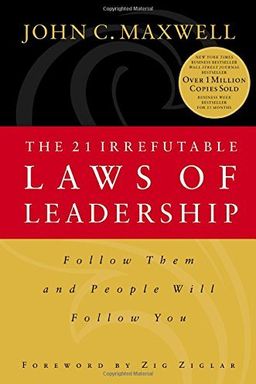
The 21 Irrefutable Laws of Leadership: Timeless Lessons on Influence and Growth
What makes someone a truly great leader? In The 21 Irrefutable Laws of Leadership, John C. Maxwell argues that leadership is not a mysterious gift, nor is it reserved for the few. Instead, it is a set of principles—laws—that anyone can learn, practice, and master. He contends that success in any area of life ultimately depends on your ability to lead, because “everything rises and falls on leadership.” Whether you want to influence your team, grow your business, or enrich your community, these 21 laws provide the roadmap.
Maxwell draws from history, business, sports, and his own four decades of leadership to reveal how leadership works in the real world. He explains that leadership isn't based on titles or positions—but on influence, character, and the ability to serve others. By internalizing these laws, any person—not just CEOs or politicians—can increase their influence and impact.
Leadership as a Universal Force
Maxwell begins by establishing why leadership matters in every field. Whether it’s a small business, a church, a family, or a sports team, leadership sets the “lid” on effectiveness. He introduces the Law of the Lid—your leadership ability determines your level of success. If you want to raise your results, you must first raise your leadership capacity. The stories of Ray Kroc and the McDonald brothers illustrate this vividly: their restaurant concept was brilliant, but it was Kroc’s leadership vision that turned McDonald’s into a global empire.
From this foundation, Maxwell explores the difference between managing and leading. Managers may maintain systems, but leaders chart the course. The ability to lead is what separates those who create lasting influence from those who simply occupy positions of power.
The Journey to Influential Leadership
The book progresses through stages of leadership development and mastery. Early laws—like the Law of Influence and the Law of Process—teach that leadership is cultivated over time, through learning, failure, and reflection. Using Abraham Lincoln’s evolution as an example, Maxwell shows that influence cannot be ordained by title; it must be earned through credibility, relationships, and competence. Leadership develops daily, not in a day, as he reminds readers in one of his most quoted lines.
Later laws tackle advanced dimensions of leadership: inspiring others (Law of Connection), serving others (Law of Addition), and fostering trust (Law of Solid Ground). These principles demonstrate that the foundation of leadership is character and service—not charisma or authority. Leaders who focus on themselves create division; those who focus on elevating others multiply their impact.
From Growth to Legacy
Midway through, Maxwell expands leadership beyond personal success toward organizational growth and cultural influence. The Law of Magnetism (“Who you are is who you attract”) and the Law of Reproduction (now merged into the Law of Explosive Growth) highlight how great leaders create other leaders. True growth happens not by leading followers, but by multiplying leaders who then lead others—an idea also echoed by Stephen R. Covey in Principle-Centered Leadership.
Maxwell culminates his framework with the Law of Legacy: a leader’s lasting value is measured by succession. Leadership is not about personal glory; it’s about equipping those who come after you. He urges readers to define their legacy—what people will say about them long after they’re gone—and to live intentionally toward that goal.
Why These Laws Matter Now
In today’s world of rapid change and instant results, Maxwell’s laws remind you that leadership is timeless precisely because it’s human. The world doesn’t need more bosses—it needs leaders driven by integrity, service, and growth. Whether you’re guiding a startup, raising a family, or organizing volunteers, these principles are your toolkit. They are not laws to be memorized but lived. As Maxwell writes, “People do what people see”—and when you model leadership, others rise with you.
By the end of The 21 Irrefutable Laws of Leadership, you understand that leadership is not about power but about purpose. It’s about building trust, adding value, and leaving a legacy of empowered people who continue to grow after you’re gone. These laws don’t just shape better leaders; they shape better people.