
Idea 1
Leadership That Multiplies Influence and Legacy
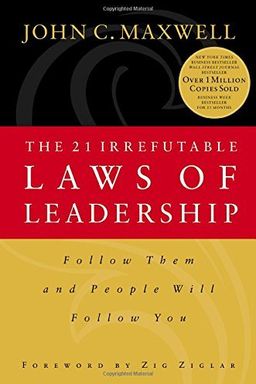
What separates those who merely manage from those who inspire transformation across generations? In The 21 Irrefutable Laws of Leadership, John C. Maxwell argues that leadership is not about titles, positions, or raw charisma—it is about influence. He insists that every area of success, from business and government to sports and personal life, rises and falls on leadership. This means that no matter your role, your ability to lead others effectively will determine the height of your personal and organizational growth.
Maxwell contends that leadership operates by unchanging laws—twenty-one enduring principles that, when applied, enhance your capacity to influence people and organizations in powerful ways. Each law functions like gravity—ignore it at your peril, but learn to work with it and it will elevate everyone you serve. He uses stories from history, business, and his decades of teaching to show how great leaders—from Martin Luther King Jr. to Steve Jobs and Winston Churchill—embody these laws in action.
The Foundation of Influence
At its core, Maxwell’s thesis is simple: leadership is influence—nothing more, nothing less. You don’t need a position or title to lead. In fact, true leadership starts with character and credibility, not rank or formal authority. Whether you’re leading a small team, a family, or a global company, your ability to influence others depends on trust, consistency, and vision. Think of “The Law of the Lid”—your leadership ability determines your level of effectiveness. If your leadership is a 5 out of 10, Maxwell says, your organization will never rise above a 4.
Developing Leadership Daily, Not in a Day
Leadership, according to Maxwell, is not innate—it develops through discipline and intentional growth. He famously writes that “leadership develops daily, not in a day.” Like compound interest, consistent investment in habits—self-reflection, learning, service, and character building—produces exponential rewards over time. This long-term discipline separates those who have short bursts of influence from those who leave lasting legacies.
Building Trust and Connection
Maxwell stresses trust as the foundation of credibility (“The Law of Solid Ground”) and connection as the secret to engagement (“The Law of Connection”). Before you can ask people to follow you, you must touch their hearts. Great leaders like George W. Bush at Ground Zero after 9/11, or Herb Kelleher at Southwest Airlines, show that people rally behind leaders who genuinely care. As Maxwell puts it, people don’t care how much you know until they know how much you care—a principle echoed in Dale Carnegie’s How to Win Friends and Influence People.
Adding Value by Serving Others
Service precedes status. In “The Law of Addition,” Maxwell argues that leaders exist to add value to others, not themselves. Drawing from business icons like Costco’s Jim Sinegal and Chick-fil-A’s Truett Cathy, he contrasts self-serving bosses with servant leaders who build trust, loyalty, and sustainable success. This servant-leadership perspective echoes Robert Greenleaf’s idea that the best leaders measure their success by the growth of those they serve.
Multiplying Leaders and Creating Legacy
Leading followers adds growth, but leading leaders multiplies it. In “The Law of Explosive Growth” and “The Law of Legacy,” Maxwell argues that your ultimate test as a leader lies not in personal accomplishments but in the quality of leaders you raise. Success without succession, he says, is failure in disguise. Leaders like Abraham Lincoln empowered others, knowing that their influence would outlast them. This perspective aligns with Stephen Covey’s call to “begin with the end in mind”—to lead today with tomorrow’s impact at heart.
Throughout the book, Maxwell’s twenty-one laws interlock like gears: trust builds respect; respect inspires influence; influence fosters connection; connection multiplies growth. Together, they form a timeless blueprint for anyone who wants not just to manage others but to shape the future through service, transformation, and legacy.