
Idea 1
Cracking the Modern Job Search Code
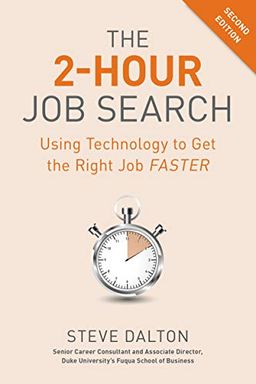
Why does finding a job feel so confusing now—even with all the technology designed to make it easier? In The 2-Hour Job Search, Steve Dalton argues that technology hasn’t simplified the hunt—it’s broken it. Instead of helping us connect meaningfully with employers, technology has created an illusion of progress that traps job seekers in endless cycles of resume uploads and automated rejection emails. Dalton’s premise is simple but powerful: jobs don’t go to the most qualified candidate—they go to the person most efficiently connected to an insider advocate. This book demystifies how to make that happen through a concrete, two-hour process built around data, psychology, and high-return habits.
Dalton contends that the biggest obstacle to job seekers today isn’t lack of opportunity; it’s the wrong strategy. He explains that online applications are like lottery tickets—tempting but statistically doomed. Only one in thirteen jobs gets filled this way, while the rest depend on internal referrals. Instead of spending hours submitting forms, Dalton’s method channels your energy into creating real human connections using what he calls the LAMP Method—a systematic way to build a list of target employers and find advocates within them. This precision-oriented approach transforms the overwhelming, emotional fog of job searching into an organized, replicable plan.
The Two-Hour Launch Sequence
At the heart of the book is the two-hour job search framework, divided into three clear stages: Prioritize, Contact, and Convince. The first hour builds your strategy—a ranked list of employers using the LAMP system (List, Advocacy, Motivation, Posting). The second hour launches your outreach using Dalton’s data-backed techniques, from the 6-Point Email to the 3B7 Routine for follow-up timing. Finally, the Convince phase teaches you how to turn informational meetings into job offers through the TIARA Framework for intelligent conversation.
Why Technology Made Things Worse
Dalton begins with a blunt truth: technology is a double-edged sword. Before the internet, every job application required effort—printing resumes, writing cover letters, sending mail. That friction filtered out unqualified candidates. Now, applying takes seconds—and everyone does it. Employers respond by ignoring applicants entirely. To Dalton, modern hiring systems aren’t efficient—they’re overwhelmed. Like a vending machine that ate your money, online job portals steal candidates’ time and morale. Success comes only when you step outside this digital black hole.
From Defensive Searching to Strategic Action
Dalton introduces the concept of the Defensive Job Search (DJS)—a cycle of activity that looks like progress but isn’t. Job seekers measure success by how many applications they submit or hours they spend browsing postings, not by real results. This defensive behavior is emotionally comforting but professionally useless. Dalton contrasts it with a proactive model built on purposeful outreach. He teaches that good strategy means working smarter, not longer—predictably producing results through disciplined systems that minimize guesswork and emotion.
The Mindset Shift
Ultimately, The 2-Hour Job Search isn’t just about tools—it’s about psychology. Dalton highlights ideas from Carol Dweck on growth mindset: skills and talents grow through deliberate practice. Job seeking is no different. Everyone starts awkwardly. The key is repetition, feedback, and structure. By “shrinking the change” (a concept borrowed from Chip and Dan Heath’s Switch), Dalton breaks an overwhelming pursuit into manageable tasks, allowing you to make progress even when motivation wavers. He urges readers to trade anxiety for mastery—because confidence naturally follows competence.
This book matters because it levels the playing field. Whether you’re an MBA graduate, a career changer, or someone returning to work, Dalton insists the game is winnable. You don’t need connections or luck—you need a repeatable system. By combining strategy, psychology, and technology’s right usage, The 2-Hour Job Search redefines job hunting as a process of data-driven networking rather than desperate online gambling. It’s a manual for turning chaos into clarity and effort into results.