
Idea 1
The Art and Science of Reinventing Your Career
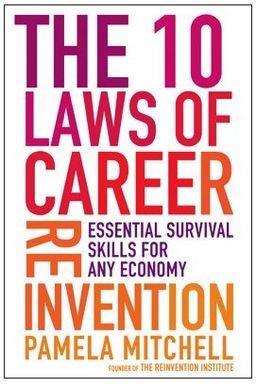
When was the last time you asked yourself whether the career you have truly fits the life you want? Pamela Mitchell’s The 10 Laws of Career Reinvention begins with that bold question—the kind that instantly makes you pause and take inventory of your professional life. Mitchell argues that reinventing your career isn’t a luxury; it’s a survival skill for navigating an economy in which stability is the new myth. She insists that learning the art and science of career reinvention is the modern equivalent of job security.
For Mitchell, reinvention is not about impulsively quitting your job or chasing the newest trend. It’s a structured, mindful process guided by ten distinct laws—a toolkit for transformation based on stories of real people who have radically changed their lives. She calls these individuals “Reinventors,” people who adapt, evolve, and redesign their careers to fit the changing world around them. From chefs turned TV hosts to executives turned educators, every chapter demonstrates how you can find freedom and meaning in your work without abandoning common sense or financial stability.
Why Reinvention Matters Now
Mitchell starts by reframing the history of work itself. She traces the evolution from the postwar “Company Man”—who traded loyalty for lifetime security—to the free agents of the 1980s, who learned self-reliance as corporations shed that paternal structure. Now, she says, we have entered the “Age of the Reinventor,” a period where adaptability is the only real advantage. Job security no longer comes from staying put—it comes from being able to move, translate your skills, and redefine your career when industries shift.
Her argument rests on a simple truth: you either learn to reinvent, or you risk irrelevance. But rather than viewing this as a grim forecast, Mitchell makes it liberating. Reinvention, she writes, is not just a series of career moves—it’s a way of life that connects purpose, emotional awareness, and strategic thinking. The book’s storytelling approach ensures that these principles feel human, not abstract. You meet people like Alton Brown, who traded his life as a filmmaker for a career in culinary television; Terrie Williams, the PR mogul who reinvented herself as a mental health advocate; and Reggie Mebane, who turned twenty-three years at FedEx into a leadership role at the CDC. Each illustrates how to thrive by embracing change instead of fearing it.
The Pathway Through the Ten Laws
Mitchell’s ten laws read like a progression through both external and internal transformation. You start with Vision—crafting the life you want before deciding what work delivers it. From there, you learn to trust Your Body as an intuitive compass, Stop Making Excuses that mask fear, and Take the Road Less Traveled by exploring unconventional paths. The remaining laws build a practical framework: knowing your Tools and talents, building a Reinvention Board of supporters, connecting with Natives who truly know your target industry, learning to Speak Their Language, accepting that It Takes the Time That It Takes, and finally, cultivating An Aura of Success anchored in belief and integrity.
Throughout these stages, Mitchell blends psychology, neuroscience, and career coaching to show that change is both emotional and tactical. She references scholars like Mihaly Csikszentmihalyi (Flow) and Malcolm Gladwell (Blink), borrowing insights from behavioral science and management research to ground her system. Reinvention, she claims, is not magic—it’s measurable. You can build a plan, set goals, pace your progress, and even quantify optimism using what she calls a “Positivity Ratio.”
How This Book Helps You Redefine Work and Life
At its core, The 10 Laws of Career Reinvention offers a philosophical shift: your career should serve your life, not the other way around. Most people, Mitchell says, reverse that formula and end up stuck in jobs that drain their energy or contradict their values. Reinvention is the antidote—a process that realigns who you are with what you do. Each law acts as a professional and personal recalibration.
Beyond reassurance, Mitchell makes reinvention feel actionable. The book includes step-by-step exercises and workbook components that help you translate insight into progress. You draft a “Reinvention Tactical Plan,” record your emotional signals, identify your strengths, and build a network of collaborators. By the end, reinvention shifts from a vague dream to a structured pursuit. You stop reacting to career crises and start steering your own narrative.
A Blueprint for Lifelong Adaptability
Mitchell’s philosophy ultimately teaches resilience. When entire industries collapse, technology disrupts established norms, or your personal goals evolve, these ten laws serve as your compass. You learn how to listen to your instincts, silence inner critics, and surround yourself with partners who inspire your growth. In her closing story, Mitchell gives away her status symbols at a Miami yard sale and shares a family memory that captures the emotional truth of reinvention. Change, she reminds us, is never just professional—it’s personal, sometimes painful, but always freeing.
By the time you finish, you realize that reinvention isn’t a single leap—it’s a lifelong rhythm. You keep developing, learning, and letting go of what no longer fits. Mitchell’s message is simple: if you live with courage, curiosity, and authenticity, you will always be ready for whatever comes next.