
Idea 1
The Art and Science of Inspiring Communication
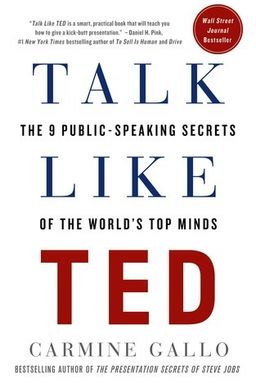
Have you ever watched a TED Talk and wondered, “Why does this speaker captivate me when most presentations leave me restless or bored?” In Talk Like TED, communications expert Carmine Gallo argues that the world’s most inspiring communicators aren’t born—they’re made. Through careful analysis of hundreds of TED Talks and interviews with the speakers themselves, Gallo reveals that any person can learn to craft and deliver transformative presentations that inform minds and ignite hearts.
He contends that storytelling, emotional connection, and novelty—not data dumps or polished slides—are what persuade audiences in the twenty-first century. According to Gallo, ideas have become the true currency of our time, and success depends on how effectively you package and share those ideas. His book translates the secrets of great TED speakers into nine actionable principles that blend neuroscience, storytelling, psychology, and communication theory into a practical roadmap for inspiration.
The Anatomy of a Great Talk
Every remarkable presentation, Gallo says, is emotional, novel, and memorable. Emotional talks reach your audience’s heart as well as their head. Novel ones teach something new or present familiar content in a surprising way. Memorable presentations allow listeners to recall messages long after the event ends. These three pillars—emotion, novelty, and memory—form the foundation of Gallo’s framework for speaking like a TED star.
Part One, Emotional, focuses on passion and authenticity. Gallo shows that speakers such as Aimee Mullins, Bryan Stevenson, and Jill Bolte Taylor inspire because they are deeply connected to their subjects. Rather than hiding behind data, they share stories that reveal vulnerability and purpose. Neuroscience backs this up: emotional engagement activates the brain’s “save button,” helping audiences retain what they hear. (Note: John Medina’s Brain Rules is a major source for Gallo’s exploration of emotion and memory.)
Novelty: Teaching What No One Expects
Part Two, Novel, shows that the brain thrives on surprise. As Dr. A. K. Pradeep explains, humans are wired to seek novelty because it aids survival. Gallo argues that inspiring communicators—from James Cameron to Robert Ballard—hold attention by teaching audiences something genuinely new. Cameron, for example, reveals that he made Titanic largely to dive to the real ship—a revelation that reframes the story. These fresh perspectives trigger dopamine, the brain’s pleasure chemical linked to curiosity and learning.
Novelty also means breaking predictable patterns. Bill Gates releasing mosquitoes during his 2009 TED Talk on malaria became a viral sensation because it was physically unexpected yet thematically profound. The act created what scientists call an "emotionally charged event"—a moment so vivid the brain marks it with dopamine and remembers it years later. To teach effectively, Gallo says, you must give people the “wow” factor, whether through a startling demo, a dramatic statistic, or a bold prediction.
The Science of Being Remembered
Part Three, Memorable, translates neuroscience into presentation strategy. The human brain, Gallo reminds us, tires easily—it craves brevity and clarity. That’s why TED limits talks to 18 minutes: it fits within the brain’s cognitive limits and sparks discipline and creativity. Through studies by professors like Paul King and Roy Baumeister, Gallo explains how “cognitive backlog,” or overload, drains an audience’s mental energy. Keeping presentations short, using the rule of three, and creating soft breaks with stories or visuals helps listeners retain information without fatigue.
The memorable speaker also paints mental pictures. When Michael Pritchard demonstrated his water filter by drinking water mixed with sewage in front of a stunned crowd, he engaged multiple senses—sight, touch, and emotion. Multisensory presentations, neuroscientists like Richard Mayer say, improve recall because they activate several brain pathways at once. From vivid props to metaphorical imagery (“my spirit soared like a whale,” said neuroscience speaker Dr. Jill Bolte Taylor), multisensory experiences make speeches unforgettable.
What This Book Offers You
Throughout Talk Like TED, Gallo shows how emotion and science collide. Each principle—from unleashing your master within to staying in your lane—demonstrates that influence begins with authenticity and ends with clarity. You’ll learn to discover your passion, tell “data with a soul,” have a conversation instead of reciting facts, add unexpected “holy smokes” moments, use humor thoughtfully, and deliver concise, visual, and audience-centered talks. Underlying these techniques is a profound argument: when you learn to communicate ideas persuasively, you elevate not only your career but your ability to change the world.
“Ideas are the currency of the twenty-first century,” Gallo writes. “But ideas alone aren’t enough—you must learn to sell them, spread them, and inspire others to act on them.”
By fusing storytelling, psychology, and business communication, Talk Like TED gives you more than speaking advice—it offers a blueprint for influence. Whether you’re pitching investors, teaching students, or leading a team, Gallo’s lessons remind you that effective communication isn’t merely about speaking well—it’s about connecting deeply.