
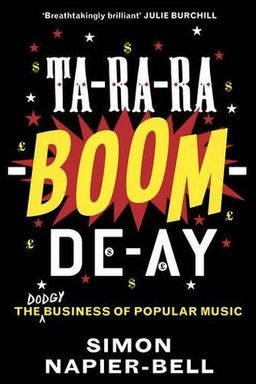
Idea 1
Turning Culture into Commerce
How does culture become an industry? The book traces how music shifted from art and patronage to property and enterprise — beginning with the Statute of Anne in 1710, which turned creative works into legal commodities. Once a song could be owned, copied, and sold, music ceased to be just performance: it became capital. That transformation underpins the entire modern music business, from Tin Pan Alley’s song factories to streaming-era platforms.
The Legal Spark That Created an Industry
Britain’s Statute of Anne gave authors ownership, inspiring publishers like Samuel Chappell (who partnered with pianist Johann Baptist Cramer and even secured Beethoven’s Emperor concerto). This was a turning point: art became property, enabling contracts and exploitation. Publishers gained an incentive to invest in songs not for creativity but for reproduction rights. Suddenly, sheet music could be monetized, copied, and marketed, giving rise to new professions — promoters, pluggers, distributors — each finding value in attention.
The Birth of Promotion and Piracy
The 19th-century hit machine operated on bribes and hype. Charles K. Harris’s After the Ball sold millions thanks to paid placements at the World’s Fair. Pluggers worked street corners, saloons, and department stores, turning songs into sensations through relentless exposure. Yet commercialization bred piracy: bootleg sheet music flooded British markets, prompting new copyright laws. From the start, the music business balanced promotion and protection — a tension that persists through payola and digital manipulation.
From Property to Power Structures
Once songs became assets, their reproduction defined power: publishers controlled markets, composers depended on contracts, and international disputes over attribution (like the Ta-ra-ra-boom-de-ay case) revealed how ownership crossed borders awkwardly. Copyright expanded from protection to economic leverage. When you buy music today, you’re engaging a centuries-old system born from law’s collision with art and commerce.
Core takeaway
The modern music industry emerged when creativity met contract law. Songs became monetizable assets, and the driving forces — ownership, promotion, and rights protection — remain the pillars of musical commerce even in the digital age.
This opening arc shows you how a legal decision birthed an industry. Once music was property, commerce soon took over, giving rise to formulas, payoffs, and eventually complex institutions that manage music’s value across nations and centuries.