
Idea 1
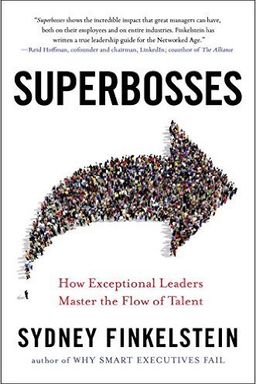
Superbosses: How Great Leaders Build Great People
What if your boss could change your life? In Superbosses, Sydney Finkelstein explores a captivating question: why do certain leaders consistently develop extraordinary talent while others struggle to build even average teams? Drawing from ten years of research across industries—from fashion to football, restaurants to hedge funds—Finkelstein uncovers a set of timeless leadership behaviors that turn bosses into talent factories. These figures, whom he calls superbosses, are masters at spotting raw potential, motivating their protégés to achieve the impossible, and spawning entire generations of industry leaders.
Finkelstein argues that success isn’t just about strategy, technology, or capital; it’s about people. And superbosses—iconic individuals such as Alice Waters in cuisine, Bill Walsh in football, Ralph Lauren in design, and George Lucas in filmmaking—have discovered how to nurture creativity, discipline, and ambition in ways that most modern organizations have forgotten. They don’t rely on bureaucracy or HR systems. Instead, they reimagine leadership as apprenticeship, blending high expectations with personal engagement and relentless innovation.
Three Archetypes of Extraordinary Leaders
Finkelstein identifies three types of superbosses, each distinct in personality but unified in impact. Iconoclasts—like jazz legend Miles Davis or designer Ralph Lauren—are creative visionaries who lead by example and inspire through genius. Their leadership flows naturally from their passion for their craft, making them magnets for ambitious protégés who want to learn by osmosis. Glorious Bastards—like Oracle’s Larry Ellison or the tireless financier Michael Milken—are tough, intense, and sometimes tyrannical leaders who prize winning above all else. Yet their extreme standards and direct coaching spur exceptional performance. Finally, Nurturers—including coach Bill Walsh or restaurateur Norman Brinker—see leadership as teaching. They invest deeply in personal development, guiding protégés with encouragement and discipline until they can lead on their own.
Despite their contrasting temperaments, all superbosses share five traits Finkelstein calls the “superboss DNA”: fearlessness, competitiveness, imagination, integrity, and authenticity. They set impossibly high goals, model excellence through action, and make employees feel like part of something transformative. As he shows, these traits empower superbosses to create cultures of excellence and succession—organizations that breed leaders who, in turn, sustain innovation for decades.
A Proven Playbook for Leadership
Finkelstein’s “superboss playbook” reveals a paradox at the heart of effective leadership: the best bosses are simultaneously demanding and supportive, empowering and exacting, strategic and hands-on. They treat their workplaces like creative laboratories where people learn by doing. They hire for curiosity and potential, not just credentials. They motivate by combining pressure with inspiration. They manage apprenticeships instead of annual reviews, creating a continuous cycle of learning and innovation. And when their protégés are ready to leave, they celebrate the departure as a sign of success, not betrayal—maintaining lifelong networks that benefit everyone.
The stories of the book are both vivid and instructive. Alice Waters transformed culinary culture by teaching chefs like Jeremiah Tower and Judy Rodgers through relentless focus on quality ingredients and collaboration. Bill Walsh reinvented football coaching by promoting assistants who became NFL head coaches across the league. Lorne Michaels used his role at Saturday Night Live to shape a generation of comedians—Tina Fey, Mike Myers, and Jimmy Fallon among them—by fostering competition and camaraderie. In each case, the superboss wasn’t just producing great work; they were producing great people.
Why This Matters Today
In an era where organizations chase efficiency and automation, Finkelstein reminds us that leadership remains a deeply human art. He challenges managers to go beyond “best practices,” bureaucracy, and quarterly metrics and embrace the role of teacher, mentor, and catalyst. The lessons of Superbosses offer a roadmap for anyone who wants to build resilient organizations—not through control and compliance, but through vision, trust, and personal engagement. Whether you aspire to lead like Alice Waters or coach like Bill Walsh, Finkelstein’s message is clear: great leaders don’t just manage talent—they create legacies.