
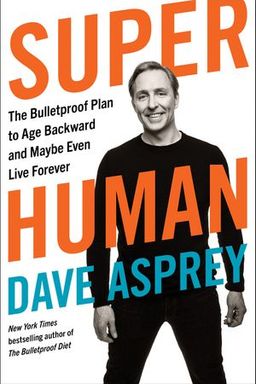
Super Human cover

Super Human

by Dave Asprey

Super Human offers a groundbreaking plan to defy aging and enhance life quality through advanced diet and lifestyle changes. Dive into the latest longevity research and learn how to maintain youthful energy, optimize cellular health, and potentially extend your lifespan significantly.

Reprogram Your Biology for Longevity

How can you intentionally slow, even reverse, biological aging? In Smarter Not Harder, Dave Asprey argues that longevity is not luck or genetics—it’s a systems problem you can solve. He reframes aging as mitochondrial dysfunction driven by inflammation, toxins, and poor recovery, and offers tools to optimize cellular energy, hormone balance, and regeneration. If you understand how your mitochondria and environment interact, you can take charge of how young you feel and perform.

The foundation: mitochondria and inflammation

Asprey begins with mitochondria—the tiny engines that power every cell. They decide whether your body prioritizes short-term survival or long-term maintenance. When stressed by toxins, blood sugar spikes, or chronic inflammation, mitochondria switch into survival mode, creating oxidative stress and accelerating aging. This dysfunction fuels what Asprey calls the “Four Killers”: heart disease, diabetes, Alzheimer’s, and cancer. Protecting mitochondria is the overarching theme that unifies every intervention from diet to light therapy to sleep optimization.

(Comparable to Dr. Mark Hyman’s functional medicine approach, Asprey treats mitochondria as the point of entry for systemic health.) You rebuild them through diet (stable fats, adequate collagen, fewer sugars), stress management, detoxification, and controlled hormesis—periodic beneficial stresses like fasting, cold exposure, or red-light therapy.

The framework: the Seven Pillars of Aging

Aging isn’t a single flaw—it’s seven interlocking cellular failures known as the Seven Pillars: tissue shrinkage (stem-cell loss), mitochondrial mutations, senescent “zombie” cells, extracellular stiffening (glycation and AGEs), extracellular junk (amyloids), intracellular junk (impaired lysosomal cleanup), and telomere shortening. Each has known interventions—from fasting and senolytics like fisetin to collagen support and synthetic peptides such as TA-65. Asprey adapts the SENS Foundation lens (Aubrey de Grey) but focuses on practical prevention first: remove what damages cells, then systematically target specific pillars to restore function.

Nutrition as cellular medicine

Food is presented not just as fuel but as a drug-like lever. Asprey learned firsthand, recovering from obesity and prediabetes by adjusting fat types and removing inflammatory foods. His method: avoid glyphosate-laced grains, use stable saturated and monounsaturated fats, moderate protein, and add collagen daily. MCTs—especially C8 oils—feed mitochondria directly as ketones. Fasting and carb cycling build metabolic flexibility, protecting against insulin resistance and “type 3 diabetes” (Alzheimer’s framed as metabolic failure).

Recovery and environment reprogramming

Sleep, light, and toxins are treated with equal importance. Sleep clears metabolic waste via the brain’s glymphatic system; poor sleep raises inflammation and amyloid. Light exposure is redefined as information—blue at night disrupts rhythm, but red and near-infrared stimulate mitochondria. Detoxification (heavy metals, mold) and ozone therapy reset redox balance and renew NAD+, the core longevity cofactor. Controlling environmental load—mold, plastics, phthalates—creates a low-stress biological context where hormones and stem cells can thrive.

Repair and upgrade: hormones, stem cells, and regeneration

Asprey connects hormone optimization, dental alignment, microbiome balance, and cutting-edge regenerative medicine into one model of proactive longevity. Healthy testosterone, DHEA, and thyroid hormones act like performance amplifiers. Fixing bite alignment lowers systemic substance P and inflammation. Restoring gut diversity reduces TMAO-related vascular stiffness. Stem cell, exosome, and NK cell therapies rebuild tissue and reset immune surveillance, while peptides, LDN, and emerging molecules like Klotho and GHK augment repair pathways.

The practical roadmap

Longevity, in Asprey’s system, comes down to measurement and leverage. You start by testing (blood, light exposure, hormones, microbiome), remove stressors, then apply targeted biological upgrades. These range from low-cost habits—dark bedroom, fasting, collagen—to advanced tools—red light panels, IV ozone, stem cell infusions. Each reinforces mitochondrial efficiency and cellular cleanup. Prevention and repair are no longer separate tracks: every day offers micro-interventions that “teach” your cells to act young.

Essential message

You don’t passively age—you decide how fast your mitochondria wear out. By mastering energy, inflammation, and recovery, you can rewrite your biological operating system. Longevity is engineering, not luck.

Across all chapters, Asprey’s strategy is consistent: remove what weakens you, support what strengthens you, and stack small high-ROI habits with periodic advanced therapies. The promise is not immortality but functional youth—better cognition, energy, and repair well into older age.


Master Your Mitochondria

Your mitochondria are the command center for aging. Asprey calls them your body’s control chips—they convert oxygen and food into ATP, the energy currency that powers every cell. When these power plants run clean, you stay energetic and resilient. When overworked by toxins, poor nutrition, or stress, they release reactive oxygen species (ROS) that oxidize and inflame your tissues.

How dysfunction creates disease

Mitochondrial stress sets off cascades that trigger heart disease, diabetes, Alzheimer’s, and cancer. Damaged mitochondria inflame blood vessels, making plaques rupture. They cause macrophages in fat to send inflammatory signals that block insulin receptors. In the brain, microglia respond to chronic stress by killing neurons; in cancer, cells flip to glycolysis—the Warburg effect—favoring endless growth. Every one of the Four Killers, Asprey writes, begins with mitochondrial overload rather than isolated organ failure.

Environmental assaults and recovery

Asprey’s own history with toxic mold exemplifies how environment drives mitochondrial decay. Mold toxins triggered inflammation that left him biologically old by his twenties. Removing mold, repairing hormones, and refeeding mitochondria reversed the damage. The lesson: small physical stressors multiply at a cellular level until your mitochondria surrender their long-term maintenance functions. Reversing that decline begins by eliminating those stressors.

Five practical tactics

  • Control blood sugar—avoid processed carbs and constant snacking.
  • Use intermittent fasting and autophagy triggers to recycle damaged mitochondria.
  • Feed antioxidant systems: polyphenols, coffee, berries, and targeted IV support if needed.
  • Eliminate toxins—mold remediation, clean air, clean water, and non-toxic cookware.
  • Consider glucosamine, nitric oxide devices, and genomic testing to individualize support.

Core principle

You stop aging when your mitochondria stop feeling threatened. Shift them from emergency survival to long-term maintenance—and your biology responds immediately with better energy, memory, and resilience.


The Seven Pillars of Aging

Asprey organizes aging into seven degradations you can measure and fix. Each pillar shows where decay begins and which interventions restore youthfulness.

1. Shrinking tissues

Stem cells decline with age, leading to muscle and brain atrophy. Prevent loss with mitochondrial care, collagen, strength training, and optional stem-cell therapy.

2. Mitochondrial mutations

Mitochondrial DNA mutates more than nuclear DNA, perpetuating ROS cycles. Fasting, polyphenols, and red-light therapy help repair and multiply healthy mitochondria.

3. Senescent cells

Zombie cells poison neighbors via inflammatory proteins. Senolytics like fisetin, ashitaba, or rapamycin prune them—restarting tissue youthful signaling.

4 & 5. Junk and stiffening

Sugar creates AGEs like glucosepane, stiffening arteries and skin. Outside cells, amyloid plaques choke tissues. Blood sugar control, avoiding fried foods, and boosting autophagy clear the buildup.

6. Intracellular waste

Lysosomes lose efficiency when overloaded with AGEs or oxidative stress. Fasting and autophagy reboot cleanup—think of this as internal housekeeping.

7. Telomere shortening

Shortened chromosome caps predict mortality. Interventions like Epitalon and TA-65, plus stress reduction and sleep optimization, slow this erosion.

Execution strategy

Don’t chase all pillars at once—first remove inflammatory inputs, then layer targeted therapies based on age and budget. Prevention is the cheapest form of regeneration.


Food that Heals and Fuels

Food is your fastest anti-aging intervention. Asprey’s nutrition model emphasizes lowering inflammation, maintaining mitochondrial fuel balance, and preventing glycation damage.

Quality over calories

Skip industrial grains, glyphosate, and fried foods. Prioritize organic vegetables and pasture-raised proteins. Collagen rebuilds connective tissue and skin; glycine from collagen also supports detox and deeper sleep.

Fat as brain fuel

Stable fats drive cell-membrane integrity and hormone creation. Saturated and monounsaturated fats form the foundation; omega-3s balance inflammation. C8 MCT oil converts directly to ketones, offering clean brain fuel—the science behind Bulletproof Coffee.

Metabolic rhythm

Asprey advocates intermittent fasting and cyclical keto—use ketones some days, moderate carbs others. This builds flexibility in how your cells handle energy, lowering insulin resistance. Studies by Satchin Panda confirm that aligning eating windows with daylight improves metabolism and sleep.

Quick formula

Eat real food. Add collagen. Use fats strategically. Cycle hunger through fasting. Every meal should feed mitochondria and reduce inflammation, not just satisfy hunger.


Recover, Detox, and Rebuild

Asprey places recovery and detoxification at the center of biological repair. Sleep, light, and toxin management define how well your cells reset each day.

Sleep as cellular reset

Deep sleep clears amyloid, resets hormones, and repairs DNA. Blue light at night steals melatonin, while darkness and cool temperature promote restorative delta waves. Track sleep stages with Oura or similar devices to make data-driven improvements.

Light as medicine

Morning sunlight synchronizes circadian rhythms. Red and near-infrared light (630–880 nm) recharges mitochondria and boosts collagen. Evening amber lighting protects melatonin. Photobiomodulation sessions (Joovv panels or clinical lasers) directly enhance circulation and tissue healing.

Detox and NAD+

Heavy metals, mold, and industrial chemicals erode mitochondrial function. Glutathione, ALA, and vitamin C support detox; charcoal and citrus pectin bind toxins; infrared saunas mobilize stored metals. Ozone therapy signals antioxidant regeneration and helps form NAD+, vital for DNA repair and energy metabolism.

Core recovery triad

Sleep deeply, manage light intelligently, and clear toxins regularly. This trinity makes every advanced therapy more effective because your body is finally free to heal.


Optimize Hormones and Inner Communication

Hormones are your internal command signals. Asprey reframes them from reproductive chemicals to long-term performance molecules governing muscle, cognition, and immunity.

Feed your hormone pathways

Good cholesterol and stable fats build testosterone and estrogen; sugar and excess omega-6 oils erode them. Vitamin D3 with K2, zinc, and vitamin A help maintain optimal production. Low-fat diets, Asprey warns, directly drop testosterone within weeks (validated by human studies).

Lifestyle and clinical support

Strength training and HIIT naturally raise testosterone and HGH. Deep sleep releases growth hormone. Under medical care, targeted DHEA or thyroid replacement may restore clarity and resilience. Bioidentical hormone therapy (pellets or creams) mimics natural rhythms without synthetic drawbacks.

Protect against endocrine disruptors

Phthalates, parabens, and hormonal birth control can raise SHBG and lower available hormones. Choose clean personal-care products and work with clinicians to monitor labs—not guesswork.

Guiding idea

Treat hormones like performance software—measure, update, and balance. When optimized, they connect every other anti-aging system and sustain youthful metabolism.


Build Regeneration and Youthful Repair

Asprey’s frontier chapters cover regeneration—how to activate stem cells, exosomes, and molecular signals that restore tissues and immune surveillance.

Stem cells and exosomes

Stem cell injections and exosome infusions reboot healing capacity. Fat-derived cells offer quantity, bone-marrow cells bring growth factors; adding umbilical exosomes multiplies the effect. Reported benefits: improved sleep, faster tissue recovery, sharper cognition. These therapies remain regulated but increasingly accessible.

VSELs and immune rejuvenation

VSEL activation boosts embryonic-like repair mechanisms. Culturing natural killer (NK) cells restores immune surveillance and clears senescent cells via perforin. Asprey’s personal reports show fat loss and better immunity post-infusion—early signals of what cellular medicine can achieve.

Noninvasive regeneration

  • Fasting—triggers stem cell renewal (MIT studies show doubled repair rates).
  • Nutrients—boron, vitamin D3, C, turmeric, and resveratrol protect stem cells.
  • Exercise and sleep—mechanical and hormonal regeneration triggers.

Key message

Regeneration isn’t futuristic—it’s already within your reach. Whether through fasting or advanced cell therapies, the goal is the same: restore your body’s ability to heal like it’s young.

Dig Deeper

Get personalized prompts to apply these lessons to your life and deepen your understanding.

Go Deeper

Get the Full Experience

Download Insight Books for AI-powered reflections, quizzes, and more.