
Idea 1
Preparedness and Purpose: What Flying Teaches About Life
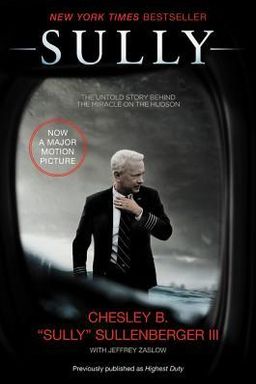
How do you stay calm and make the right decisions when everything depends on what you do next? In Sully (previously published as Highest Duty), Captain Chesley “Sully” Sullenberger looks back at the flight that made him famous—the miraculous water landing of US Airways Flight 1549—and reveals that the ability to save 155 lives didn’t begin in the cockpit that January afternoon. It began decades earlier, shaped by family values, military discipline, and an unwavering commitment to preparation.
Sullenberger argues that success in any field—flying, leadership, family life—comes from a combination of calm competence, teamwork, and moral integrity. His central claim is simple but profound: heroism is not an act of luck or divine intervention, but the culmination of lifelong habits of responsibility and learning. Through his story, he invites you to see how moments of crisis often reveal whether your preparation and principles can withstand pressure.
A Life-Shaping Passion
From boyhood in Denison, Texas, Sully was captivated by the sight of jet fighters in the sky above Lake Texoma. At five, he decided he would fly—never wavering as he studied models of Charles Lindbergh’s Spirit of St. Louis and built his own versions. That clear goal gave his young life structure and direction. As he recounts his first solo flight at sixteen under the mentorship of crop-duster L.T. Cook, Sully discovered not just fascination with planes but with the discipline and ethics of aviation: measure twice, cut once; plan for every possibility. Those lessons would later translate into his approach to leadership.
When he guided Flight 1549 safely into the Hudson, he drew on thousands of small, invisible experiences—a bank of lessons from childhood, military training, and professional life that he compares to “deposits in a bank” waiting for withdrawal in a moment of need. This metaphor captures the book’s moral philosophy: preparation is not optional; it’s moral duty.
Everyday Values Become Crisis Tools
The book is not only about aviation but about character formation. Sully’s father, a Navy dental officer and homebuilder, taught him careful craftsmanship and conscience. From “measure twice, cut once,” Sully learned precision and double-checking, an ethic that became a professional habit. His mother, a first-grade teacher, gave him an appreciation for responsibility and service. Together, these influences grounded him in values that would guide how he approached stressful decisions in both family life and the cockpit.
When his father’s depression led to suicide, Sully faced grief but emerged with deeper empathy and resolve to value life. That tragedy reframed his sense of stewardship: as a pilot, every passenger’s life mattered. You can see how this personal history underpins his professional thought: when life feels precarious, duty becomes sacred. His choice during Flight 1549—to sacrifice the aircraft rather than risk human life—was built on decades of internalizing that hierarchy.
Teamwork and Technical Mastery
Sullenberger emphasizes that the "Miracle on the Hudson" was not a solo act but a symphony of collaboration. He and First Officer Jeff Skiles worked in sync, guided by Crew Resource Management (CRM), an approach to cockpit teamwork that emphasizes clarity, humility, and mutual respect. (CRM evolved after aviation crises in the 1970s and is now studied across medicine and engineering for reducing human error.) Sully’s modest tone—always crediting Skiles, flight attendants Sheila Dail, Donna Dent, and Doreen Welsh, plus the quick-thinking crews of NY Waterway ferries—illustrates what he calls “distributed heroism.” The ones who show up for duty every day, he says, create safety not through fame but through shared competence.
Integrity as Everyday Leadership
The book argues that leadership is personal integrity put into practice. Sully says that during crises, there’s no room for improvising morality—you act according to habits formed long before. His favorite definition of integrity, taught to his daughter at age nine, is “doing the right thing even when it’s not convenient.” That principle guided him as a captain who valued fairness (making hotel vans arrive on time for tired crews) and transparency (explaining delays honestly to passengers). For him, ethics is not abstract: it’s the framework that keeps people safe when systems fail.
Why This Story Matters
Ultimately, Sully is less about one miraculous landing and more about how ordinary diligence and compassion lead to extraordinary outcomes. It reminds you that every checklist, every small act of professionalism, every decision made when no one is watching, contributes to the moment when your choices could save lives. The book’s emotional climax—Sullenberger waiting at a New York hospital until hearing all 155 passengers were accounted for—symbolizes his creed of responsibility: “A delay is better than a disaster.”
This story resonates beyond aviation. Like Viktor Frankl’s Man’s Search for Meaning or Stephen Covey’s Seven Habits of Highly Effective People, it teaches that character is cumulative. Sully’s calm in crisis isn’t superhuman—it’s human preparedness, moral clarity, and teamwork tested by fate. His question to you, implicit on every page, is: When your moment comes, will you be ready?