
Idea 1
Mastering Time as a Lifelong Resource
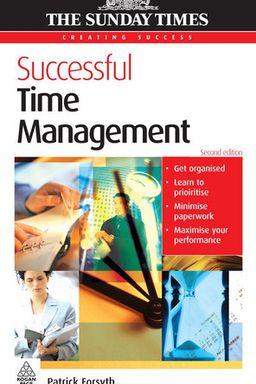
Why does it feel like no matter how hard you work, there’s never enough time to get everything done? In Successful Time Management, Patrick Forsyth argues that time wasn’t designed to be managed—it was designed to be used. His point? You cannot create more time, but you can radically transform how much you get out of the time you have. Forsyth contends that time management isn’t just an optional skill for career success—it's a vital form of self-management that dictates efficiency, productivity, and ultimately professional advancement.
He challenges you to see time as a key resource—one as tangible as money or talent. Yet, while organizations guard their budgets cautiously, they often squander hours heedlessly. Forsyth’s main argument is strikingly simple but profound: good time management equals disciplined self-management. If you don’t actively design how you spend your time, your day, career, and satisfaction will be designed by habit, distraction, and pressure.
Time as a Universal and Difficult Resource
Forsyth opens with a reality check: everyone has the same twenty-four hours, but not everyone converts those hours into equal outcomes. Time management, therefore, isn’t about finding more minutes—it’s about using those minutes to achieve more meaningful results. Through dozens of examples, from office paperwork to domestic routines, he shows how disorganization and procrastination waste precious time cumulatively. A few lost minutes here or there might feel trivial, but over a year, they represent dozens of wasted workdays.
“Four minutes saved every day equals almost two extra workdays a year,” Forsyth reminds you, illustrating that small savings multiplied by consistency generate major productivity dividends.
The Two Pillars: Planning and Implementation
Forsyth identifies two central pillars for managing time effectively: planning how time is used and executing tasks efficiently. These twin processes require discipline. He insists on a written plan—a living document that evolves daily—rather than mental lists. Planning not only clarifies the work ahead but sparks reflection on what’s truly important. Implementation then turns plans into habits through tactics such as batching similar tasks, limiting interruptions, and improving delegation. The book makes clear that effective systems aren’t dependent on fancy tools; even simple lists can revolutionize your workday if applied consistently.
Speculate to Accumulate: Investing Time to Save Time
One of Forsyth’s most practical principles is “speculate to accumulate.” You must spend time upfront to save time later. For instance, briefing a colleague thoroughly may take fifteen minutes now but save multiple hours of future repetition. This idea recurs across the book—from setting clear objectives to training teams—and distinguishes productive people from merely busy ones. Like Benjamin Franklin’s maxim “An ounce of prevention is worth a pound of cure,” Forsyth’s equation of time spent versus time gained becomes a guiding mental habit.
Discipline and Habit: The Human Factor
Despite technological tools and clever systems, Forsyth emphasizes the timeless challenge: maintaining discipline. He warns that the internet, email, and social media have created new forms of procrastination that masquerade as productivity. Apps like WasteNoTime may help, but ultimately, the control lies within you. Forsyth portrays time management not as a sterile technique but as a personal philosophy—an ongoing process of fine-tuning how you work and respond to distractions. Perfect time management doesn’t exist, but continuous improvement does.
The Payoff: Why This Matters
At its heart, the book asks you to imagine what you could do with two extra working days or twelve extra weeks reclaimed from inefficiency. The payoff isn’t just professional success—it’s less stress, greater clarity, and more freedom. Forsyth not only teaches you to work smarter than longer but to find satisfaction in how you structure your day. His underlying promise is simple: you can control time’s impact on your life by cultivating organization, foresight, and discipline so deeply that they become habits rather than chores.
Through stories, tools, and questions, Forsyth’s message echoes thought leaders like Stephen Covey (The 7 Habits of Highly Effective People) who emphasize self-management as leadership of one’s own life. The book’s enduring relevance lies in making time tangible—something you can train, evaluate, and continually improve. “Never let perfection be the enemy of the good,” Forsyth concludes, urging you to start small, change habits, and build momentum. Each saved minute becomes a building block for a more effective and rewarding career.