
Idea 1
Aging as a Continuing Stage of Growth
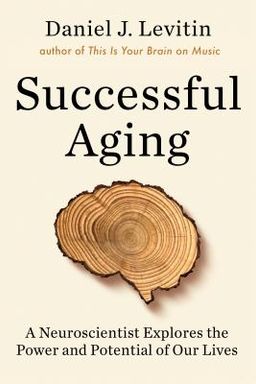
How can you approach aging not as decline but as another turn in your developmental story? Daniel Levitin’s Successful Aging reframes the later decades of life as a complex, dynamic stage—full of new possibilities for growth, wisdom, and meaning. He argues that aging is not the cessation of development, but its final, self-revealing chapter: biology, personality, culture, and chance interact to determine how that chapter reads for each person.
Levitin’s central claim is hopeful yet scientific: the brain remains plastic and capable of learning; personality continues to evolve; and even when physical speed slows, emotional balance and pattern recognition improve. Successful aging, he insists, means understanding your biology while choosing attitudes, habits, and social roles that support resilience and purpose.
The multiple dimensions of aging
The book’s developmental model blends biology, psychology, and society. Biologically, brain regions such as the prefrontal cortex and hippocampus shrink, while myelination changes; yet your brain compensates by improving abstraction and insight. Psychologically, there’s a rise in agreeableness and conscientiousness—the “La Dolce Vita” effect, a calmer acceptance of life. Socioculturally, the roles that older adults hold—teacher, mentor, grandparent—deeply influence health outcomes. Levitin’s father thrived when encouraged to teach after retirement; his grandfather declined when forced to step aside. Such examples show that meaning and social usefulness matter as much as medical care.
Personality and agency across time
Personality, traditionally believed fixed, proves flexible. The Big Five—Extraversion, Agreeableness, Conscientiousness, Neuroticism, and Openness—shift gradually throughout life. Conscientiousness predicts longevity; Openness sustains curiosity and neural growth; Emotional stability lowers stress hormones. Levitin’s COACH principle (Curiosity, Openness, Associations, Conscientiousness, Healthy practices) gives you a framework for cultivating traits associated with healthier aging. Scientists like Sarah Hampson have shown that childhood self-control predicts adult biomarkers, yet personality remains pliable into late age (Paul Baltes called this “lifespan plasticity”).
The adaptive brain and environment
A deep narrative thread in the book is neuroplasticity—the brain’s lifelong ability to change. From infancy’s exuberant synaptic growth to the adjustment of sensory maps when sight or hearing fails, the brain continuously rewires. Blind readers use visual cortex for touch; stroke patients can retrain neglected hemispheres through prism and mirror therapies; musicians and engineers continue complex tasks into old age. This negates the myth of a “fixed” brain. You can still build new circuits at eighty—you simply need more deliberate practice and patience.
Emotion, stress, and resilience
Levitin connects emotional regulation to health. Chronic stress, through excessive cortisol, wears down the brain, particularly the hippocampus, while social connection and reframing stressors buffer damage. Practices such as mindfulness, CBT, and meditation reduce inflammation and improve mood by regulating stress circuits. His stories—from John R. Pierce’s recovery from depression through Prozac and work, to the Dalai Lama’s emphasis on compassion—show that reappraisal, purpose, and kindness reduce allostatic load, the cumulative toll of stress on the body.
Mindset and meaning
The developmental story culminates in mindset. A growth mind‑set—believing that abilities can improve—sustains motivation, even when effort requires more energy later in life. Curiosity rather than recognition-seeking drives lifelong learning, while purpose and contribution—especially through relationships and work—anchor meaning. Socioemotional selectivity theory (Carstensen) explains why older adults prune social circles to keep emotionally meaningful ties, enhancing well-being.
The measure of a good life
Levitin closes not with immortality but with wisdom: quality, not just length, defines successful aging. Eos and Tithonos’ myth—love without youth—warns against extending life without vitality. People prefer an improving trajectory, even if shorter, to a long decline. Planning for later care, choosing how you want to live and die, and keeping hold of humor and connection are part of aging well. Successful aging means preparing for loss but remaining engaged with living.
Core insight
Aging is not the end of development but its most integrative phase. Your biology, habits, emotions, and social environment continue to co-evolve, giving you ongoing opportunities for growth, adaptability, and meaning.