
Idea 1
Turn Marketing into Media You Own
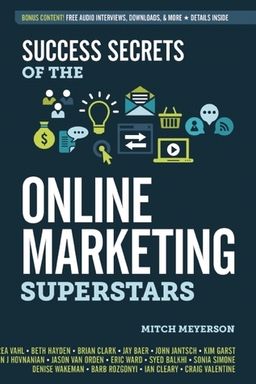
How can you stop chasing attention and start earning trust that scales? This book argues that the future of marketing belongs to creators who act like media companies—people who build independent platforms fueled by useful content, authentic voice, and enduring relationships. Across chapters by Brian Clark, Jay Baer, John Jantsch, Sonia Simone, and others, the authors reframe everything we used to call marketing into a process of publishing value rather than pushing messages. You no longer need massive budgets or Madison Avenue credentials; you need clarity, consistency, and empathy.
The shift from attention to belief
Traditional marketing interrupts. Media marketing earns belief. Brian Clark’s Copyblogger began as a simple blog and grew into a multimillion-dollar software company by publishing educational articles that attracted followers, not ads. In this new paradigm, your content is your proof: it demonstrates competence, generosity, and authenticity until people “know, like, and trust” you enough to buy. The result is predictable sales driven by credibility—what Clark calls rainmaking through belief, not hype.
Why helping beats hyping
Jay Baer expands on this philosophy with his concept of Youtility: create marketing so useful people would pay for it if it weren’t free. Your job is to help, not persuade. Think of McDonald’s Canada answering 10,000 public questions about its ingredients or Hilton’s @HiltonSuggests giving travelers real-time restaurant tips. Those brands earned trust because they solved problems publicly. Helpful content acts like long-term farming—you grow belief gradually, unlike short-term “viral lightning” tactics that fade.
Building systems, not silos
John Jantsch’s Total Online Presence model connects these ideas into one operational system: every online component—content, SEO, email, social media, mobile, and analytics—must cross-support the others. You don’t run islands; you run a network. The hub is your content platform (often a blog or site), with spokes like social profiles, email lists, and ad campaigns feeding back traffic and data. This connectivity turns random marketing acts into a coordinated growth mechanism.
From attraction to conversion
Sonia Simone explains that content itself forms the buyer’s journey: cornerstone pieces build authority, attraction posts expand audience, and action pages convert visitors. Every element communicates—your headlines, tone, story structure, and even invoices shape perception. When readers sense consistent empathy and expertise, content becomes persuasion without manipulation. Email follow-ups then complete the cycle, nurturing trust one helpful message at a time.
The trust-first digital ecosystem
Mitch Meyerson’s contribution underscores this: conversion only happens where visitors feel safe. Professional design, clear navigation, testimonials, free samples, and obvious calls to action form the “trust architecture” of your website. Selling is like dating—you warm prospects with value before asking for commitment. Measure every step: open rates, click-throughs, and opt-ins reveal whether belief is becoming action.
The broader pattern
Each contributor reinforces the same evolution: the line between content, commerce, and community has blurred. You become both publisher and entrepreneur. Your marketing is not an occasional campaign but a sustained conversation powered by systems, empathy, and creative generosity. When you build media people seek out instead of ads they ignore, marketing transforms from a chase into a magnet.
Core thought
Owning your media means owning your future: the combination of usefulness, authenticity, and structure turns attention into long-term belief—and belief is what drives every sustainable business.