
Idea 1
The Promise and Reality of Stem Cells
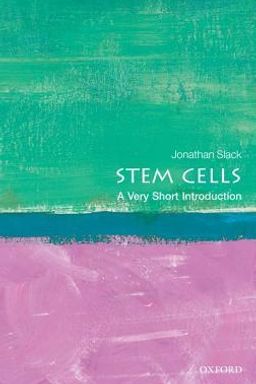
What if you could repair a damaged heart or restore sight to someone who’s lost it? Could the body truly be coaxed to heal itself? In Stem Cells: A Very Short Introduction, developmental biologist J. M. W. Slack invites you to explore one of the most captivating ideas in modern science—the notion that understanding and manipulating stem cells could transform medicine and perhaps even redefine what it means to age and die. Slack’s central argument is both inspiring and sobering: stem cell technology promises profound cures for diseases like diabetes, Parkinson’s, and spinal injury, yet most of these therapies remain far from reality due to deep scientific and ethical complexities.
Throughout the book, Slack explains the biological fundamentals—how stem cells work, where they come from, and what distinguishes embryonic, tissue-specific, and induced pluripotent cells. He describes both the immense hope surrounding them and the frustrating pace of genuine therapeutic progress. Far from hype, his work helps you understand the mechanisms behind cell renewal, the ethical tensions about embryonic sources, and the divergence between scientific caution and public optimism.
Stem Cells and the Human Desire to Heal
Slack begins with an emotional truth: everyone fears aging, disability, and death. We cling to stories of miraculous healing, and that longing for recovery fuels the enthusiasm behind stem cell research. Unlike ordinary cells, stem cells possess the twin powers of self-renewal and differentiation, meaning they can not only reproduce but also turn into specialized cell types—neurons, heart muscle, skin, and more. This capability promises not just repair but regeneration of damaged tissues. Yet Slack reminds you that without rigorous biochemistry and controlled lab environments, this dream collapses into pseudoscience and exploitation. His cautionary discussion of ‘stem cell tourism’—patients chasing miracle cures worldwide—illustrates how hope can outpace understanding.
The Landscape of Stem Cell Science
The book unfolds across several scientific terrains. First are the embryonic stem cells (ES cells), derived from early embryos and possessing unlimited potential to form any cell type in the body. Second are tissue-specific stem cells, the populations responsible for continual renewal in skin, blood, and intestine—these are the quiet custodians of your body’s repair system. Finally are induced pluripotent stem cells (iPS cells), a twenty-first-century breakthrough that allows scientists to reprogram adult cells back into a stem-like state, thus bypassing many ethical controversies of using embryos.
Slack walks you through historical experiments—from Hans Spemann’s cloning of newt eggs to Ian Wilmut’s creation of Dolly the sheep—that laid the foundation for cloning and the modern concept of cellular reprogramming. He emphasizes how embryology married molecular genetics, forging developmental biology as a cornerstone for regenerative medicine. To understand stem cells, you must grasp this fusion: genes and growth factors dance together to shape the embryo, and those same signals can be repurposed in a lab to create therapeutic cells.
Science, Ethics, and Public Perception
Stem cell research does not exist in a vacuum—it resides in a volatile space between biology, ethics, religion, and politics. Slack dissects how debates over when “life begins” have shaped scientific regulation worldwide. In the U.S., restrictive funding policies under President George W. Bush and subsequent reversals under Barack Obama reflected this tension. Meanwhile, countries like the UK and Sweden developed more permissive but tightly regulated environments. Slack contrasts scientists, who view embryos as biological materials for discovery, with religious critics who regard them as “miniature humans.” This conflict fuels both moral outrage and overblown promises from politicians hoping the next biomedical revolution will rejuvenate economies.
Hope Versus Hype
Slack closes the book with a sober reflection on expectations. Yes, haematopoietic stem cell transplantation—the familiar bone marrow transplant—already saves thousands of lives each year. But many other supposed “cures” rest on shaky evidence. His analysis of embryonic and pluripotent therapies makes clear that scientific progress moves slowly, constrained by safety, reproducibility, and cost. Still, Slack remains optimistic: as stem cell biology merges with gene therapy and tissue engineering, regenerative medicine will eventually deliver real results. It just won’t be the overnight miracle many expect.
By exploring both the cellular mechanics and the societal hopes surrounding them, Stem Cells: A Very Short Introduction becomes more than a primer—it’s a meditation on science’s power and limits. Ultimately, Slack asks you to balance imagination with realism: marvel at what might come but recognize that biology’s miracles are slow, precise, and often humbler than the headlines suggest.