
Idea 1
Start With Why: The Power of Purpose-Driven Leadership
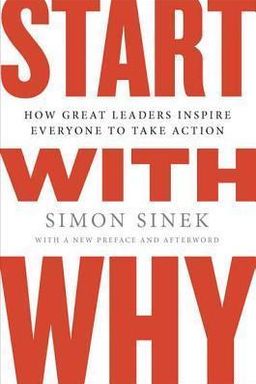
Why do some leaders inspire deep loyalty while others constantly chase results? Why do some companies like Apple, Southwest Airlines, and the Wright brothers seem to spark movements rather than just sell products? In Start With Why, Simon Sinek argues that the great divide between uninspired organizations and revolutionary ones comes down to a simple yet profound concept: they start with why.
Sinek reveals that most people and companies lead with what they do or how they do it—talking about products, features, and strategies—rather than why they exist in the first place. His thesis is that people don’t buy what you do; they buy why you do it. The leaders and movements that shape the world—like Martin Luther King Jr., Apple, and the Wright brothers—all communicate from the inside out, starting with their guiding purpose, cause, or belief. This clarity of WHY not only inspires followers but also creates loyalty that transcends manipulation, incentives, or price.
The Central Premise: The Golden Circle
Sinek frames his philosophy around what he calls The Golden Circle, a simple but revolutionary model organized into three concentric rings: Why, How, and What. Most companies communicate from the outside in—starting with what they make, then how they make it, and only rarely touching on why. Inspired leaders, however, start with WHY—the belief or cause that informs everything they do. This isn’t about marketing slogans—it’s a biological approach rooted in how our brains make decisions.
The outer circle, WHAT, represents the tangible outcomes—products, services, or actions. HOW includes the processes or values that make an organization unique. But the innermost circle, WHY, speaks to emotion, purpose, and belief. When leaders communicate from the inside out, they tap into the limbic brain—the seat of inspiration and decision-making. People follow not because of rational arguments, but because of shared purpose. Apple doesn’t sell computers; it sells a belief in challenging the status quo through elegant simplicity. Martin Luther King Jr. didn’t start with a policy agenda; he spoke about his dream—his WHY—and people followed.
Why Knowing WHY Matters
The implications of Sinek’s model reach far beyond business. When you lack a clear WHY, manipulations—discounts, gimmicks, fear appeals—become the default tools for motivating others. They may work in the short term, but they destroy trust and loyalty. In contrast, those who know and consistently communicate their WHY create movements that last beyond one person. Companies like Apple and Southwest, or leaders like King and Sam Walton (in his early days), thrive because people don’t just buy from them—they believe in them.
Sinek emphasizes that authentic leadership isn’t about charisma or power; it’s about clarity of purpose. A leader’s job is not to come up with all the great ideas—it’s to create an environment where others are inspired to contribute to a shared cause. In this way, Start With Why reveals the link between biology, psychology, and business—why we trust certain leaders, why some brands feel “right,” and why inspiration scales better than manipulation.
What You’ll Learn
Through engaging narratives and case studies—Apple’s revolutionary marketing, the Wright Brothers’ underdog triumph, Sam Walton’s lost purpose at Wal-Mart, and the partnership dynamics between WHY-types like Walt Disney and HOW-types like his brother Roy—Sinek explains how great leaders build movements, manage trust, measure value, and preserve inspiration even during success. You’ll learn how to rally followers around belief rather than incentives, why businesses lose their magic when they focus only on growth metrics, and how rediscovering your WHY can restore meaning to work and life.
In a world obsessed with tactics, Sinek’s message is both a call to return to purpose and a practical framework for doing so. If you understand and live your WHY, you can inspire others to act—not because they have to, but because they want to. That’s the difference between managing people and leading them, between running a business and launching a movement.