
Idea 1
Apathy, Pressure, and Choice
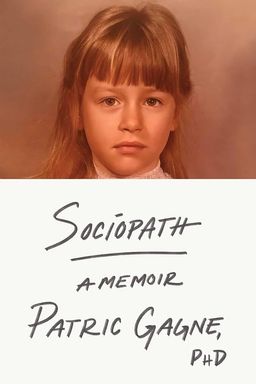
How can you live safely and meaningfully when your default setting is emotional emptiness? In this memoir, Patric Gagne argues that sociopathy, for many people, is less a static moral failure than a dynamic cycle: a baseline of apathy generates anxious pressure that compels transgressive acts for relief. She contends that if you treat the pressure—not just punish the acts—you can change outcomes: fewer harms, more agency, and a viable path to love, work, and public contribution.
Across childhood, UCLA, the Los Angeles music scene, graduate school, and into family life, you watch her discover three levers that interrupt the cycle: behavioral design (a pragmatic "prescription" of safer outlets and later CBT tools), relationships that lower secrecy-driven anxiety (David, Everly, selected family), and a reframing of diagnosis from labels to mechanisms. Woven through are limits and risks—masking that breeds isolation, exploitation by others, and ethical knots when harm-reduction still involves breaking rules.
Key Idea
Apathy creates a rising pressure that destructive acts briefly release; targeting the pressure with structure, relationships, and therapy turns inevitability into choice.
The pressure cycle you need to see
Gagne names the feeling "stuck stress": a physical, claustrophobic build-up that starts as indifference and crescendos into an unbearable urge. As a child she stabs Syd with a pencil, flips a deadbolt to trap girls in a bathroom, and steals a Barbie convertible—not as pranks, but as functional releases. Later, joyrides in Los Angeles, the Tarzana house break-ins, and the tense Ginny Krusi stakeout follow the same arc: apathy → anxiety → compulsion → temporary calm. (Note: This echoes David Lykken’s hypothesis that some antisocial acts regulate low-arousal states.)
The mask that makes survival possible—and costly
To avoid the "look" that signals others sense something off, she perfects mimicry. She studies peers at frat parties, scripts touches and smiles, and practices lines alone like an actor. The payoff is access and invisibility—classrooms, country clubs, music-industry back rooms—but the cost is isolation and performance fatigue. You realize how charm can be a survival tool rather than proof of warmth.
A prescription before therapy
Before she learns clinical tools, she designs a harm-reduction routine: schedule small, stealthy transgressions to prevent explosive ones. She prioritizes trespass over violence, distance-stalking over confrontation, and treats rule-breaking like a medication: Monday/Wednesday/Friday doses to bleed off pressure. In her notebook she writes a private code—"NO HURTING ANYBODY"—and even "makes amends" by refilling stolen cars with gas. It’s unsettling, but pragmatic.
Love that steadies, intimacy that tests
David’s radical acceptance quiets the compulsion. Domestic rituals—jazz records, dinner, baking—become a pressure buffer. Yet intimacy brings expectations (reciprocity, transparency) that sometimes reactivate urges, sending her back to Tarzana or into risky stunts like reading Jacob’s journal at Arianne’s behest. The Statue of Liberty keychain becomes a ritual of disclosure: a symbol that honesty itself can be a therapy, but only if boundaries hold.
From names to mechanisms
She hunts for the right label—sociopath, psychopath, Antisocial Personality Disorder—and finds inconsistencies. The DSM privileges overt criminality; Cleckley and Partridge focus on core traits; the PCL rubrics (Hare) blur usage. With Dr. Slack and Dr. Carlin, she lands on a practical split: treat anxiety that rides atop apathy, regardless of label. Graduate training, CBT and REBT tools, exposure exercises (timed sits outside Ginny’s house), and clinical work at the Aloe Center transform her personal hacks into teachable methods.
Why this matters to you
If you carry similar traits—or love, parent, or treat someone who does—the memoir reframes the problem from "who you are" to "what you do under pressure." It argues for structured routines, safe anchors, and anxiety-targeted therapy over moral panic and shame. And by going public (NYT essay, memoir), Gagne shows transparency can reduce stigma and build resources—if you pair it with firm boundaries and accountability. (Compare this practical compassion to harm-reduction in addiction science; both accept the person and change the behavior.)