
Idea 1
Talking About Race: Why Real Conversations Matter
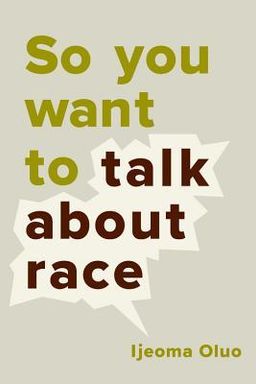
How can you talk honestly about race without feeling afraid of saying the wrong thing? In So You Want to Talk About Race, Ijeoma Oluo argues that meaningful dialogue about race is both the starting point and the cornerstone of dismantling systemic racism. Yet, as she notes, most people—especially white Americans—avoid these discussions because they're uncomfortable, confusing, or emotionally charged. Oluo’s central conviction is that real change starts when ordinary people learn to talk about race correctly, with courage, empathy, and accountability.
Through her own experiences as a Black woman in America and through years of conversations with people of all backgrounds, Oluo shows that racism isn't just about hateful extremists or overt prejudice—it's woven into systems that shape jobs, schools, neighborhoods, and justice. Her book is a practical field guide to confronting racial oppression in these everyday contexts by teaching readers how to think, listen, and speak about race with compassion and clarity.
The Cost and Necessity of Conversation
Oluo begins from a personal place—the exhaustion of living as a Black woman in a white-dominated society, where race defines everything from how she dresses to how she is paid. Her journey to becoming an outspoken voice on race started not as activism but as survival. The more she resisted the pressure to remain silent, the more others—both people of color and white allies—found healing in her honesty. She frames talking about race not as optional or academic, but as a vital act of humanity. Silence only maintains the status quo, while conversation can expose the structures of privilege that we all live within.
Why We Avoid These Discussions
Many readers, Oluo observes, fear saying the wrong thing and being labeled racist; others don’t know the right language or feel that race isn’t “their issue.” Still, she insists this fear must be faced. America’s centuries-long system of racial hierarchy has created vast gaps in experience between white people and people of color—a chasm, not just a gap. Closing that distance requires patience, mistakes, and vulnerability. Racism thrives in avoidance, so leaning into these conversations—with humility and an awareness of discomfort—is itself an act of resistance.
The Structure of Racism
This book explores race through multiple lenses: personal identity, privilege, intersectionality, institutions, and everyday interactions. Oluo clarifies what racism actually means—not merely prejudice, but prejudice backed by systems of power. Systemic racism persists through economic structures, education inequality, and criminal justice policies that benefit white people disproportionately. Understanding that these systems, not just individuals, perpetuate racism helps focus the conversation beyond feelings and toward justice.
Learning to Sit with Discomfort
Oluo doesn’t sugarcoat the emotional toll of these conversations. For white readers, they demand self-examination of privilege and complicity. For people of color, they often reopen wounds of trauma. Oluo encourages all sides to understand that discomfort isn’t punishment—it’s growth. Those who feel offended, guilty, or defensive should see those reactions as opportunities to uncover unexamined beliefs. As she says, “Maybe we shouldn’t be looking for easy reads.” Real justice requires sitting with pain to understand another’s experience.
The Promise of Dialogue
The hope in Oluo’s vision is that when people learn to talk about race authentically, they also learn to change the systems behind it. Conversation opens the door to empathy, which leads to policy and behavioral change. Her book covers questions like “Is it really about race?” “What is intersectionality?” or “Why can’t I say the N-word?”—each chapter unraveling a part of the larger puzzle. Ultimately, talking is not just catharsis; it’s preparation for transforming action. Through engagement, listening, and accountability, ordinary individuals can build the foundation for equity.
Key takeaway
Racial justice begins not with grand gestures but with honest, sustained conversation. You cannot dismantle what you refuse to name, and you cannot name what you refuse to talk about. The courage to talk about race—imperfectly but sincerely—is what moves societies from denial toward transformation.