
Idea 1
The Hidden Patterns of Our Choices
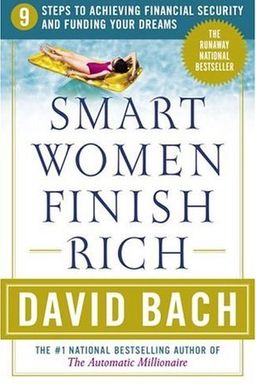
Have you ever paused to wonder why you make the choices you do—what draws you to certain stories, experiences, or even books? At first glance, choosing what to read next seems simple. But beneath that simplicity lies a web of habit, identity, curiosity, and meaning. This book (though presented through promotional language and fragments) invites you to consider not just what you choose to read, but how those choices reflect deeper patterns in your sense of self and growth. The act of discovering your next book isn’t trivial; it’s an act of self-discovery.
The author positions reading as a transformative ritual—one that connects your private imagination with the collective wisdom of others. In today's noisy digital world, where endless scrolling replaces deep engagement, the question “What should I read next?” becomes a doorway to reclaiming attention and meaning. The book suggests that finding your next read isn’t merely a matter of genre or popularity—but rather of resonance. What speaks to where you are in life right now? What challenge or comfort do you need in this season?
Reading as Reflection
The central argument is that every book you pick up mirrors a moment in your inner journey. Whether it’s escapism through fiction, stimulation through ideas, or healing through memoirs, your choices reveal your emotional and intellectual state. The book frames literary discovery as a mindful process—one that allows you to follow curiosity as a compass for personal evolution. You don’t just consume words; you explore yourself through them.
What Shapes Our Taste?
Our reading preferences are shaped by culture, community, and nostalgia. A person raised among stories of resilience might be drawn to biographies, while another immersed in fantasy might crave epic worlds that transcend hardship. The book subtly notes the power of emotional resonance—it’s not the cover or marketing that makes a story unforgettable, but the truth you find mirrored in its pages. (In comparison, psychologists like Daniel Kahneman explain similar choice mechanisms through emotional priming and associative memory: we choose what feels familiar or meaningful.)
The Reader’s Journey
Reading builds continuity between who you were, who you are, and who you’re becoming. Each new book is part of a conversation—not only with the author but also with previous versions of yourself. The book encourages you to keep track of how your tastes shift over time. Maybe a novel that once entranced you feels shallow today, or a nonfiction work that seemed dense now feels illuminating. This evolution reflects the ongoing dialogue between experience and insight.
The Art of Discovery
Discovering your next great read isn’t about algorithms alone—it’s about curiosity and openness. The text implies that recommendations, whether from friends or platforms, are invitations—but you must follow your intuition to know when a book truly belongs to you. The author challenges the reader to cultivate serendipity: browse bookstores without agenda, follow the tug of a title, or let a random quote shape your path. Reading becomes a practice of listening inward as much as outward.
Key Thought
Discovering the next great book is not about finding a product—it’s about recognizing a reflection of your soul at a particular moment in time.
This overview captures the book’s invitation to treat reading not as consumption but conversation—a living exchange between your curiosity and the world’s wisdom.