
Idea 1
The Power of Small Data
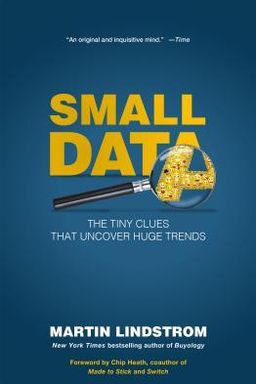
What if the secret to understanding people—and transforming your business—didn’t lie in mountains of statistics but in the tiniest, most human details scattered across daily life? In Small Data: The Tiny Clues That Uncover Huge Trends, brand expert Martin Lindstrom challenges the current obsession with Big Data by showing how profound insights often emerge from observing ordinary behaviors. Instead of focusing on algorithms and trend graphs, he champions noticing fridge magnets, broken sneakers, or the way someone brushes their teeth as windows into hidden desires.
Lindstrom’s core argument is that human emotion—not analytic precision—drives consumer behavior. A single small observation, when connected properly, can reveal vast truths about culture, identity, and desire. He calls this process Subtext Research, a mix of ethnography, empathy, and detective work. Through immersive field studies in homes from Siberia to São Paulo, Lindstrom uncovers overlooked clues that unlock billion-dollar innovations: why LEGO avoided collapse, how a grocery store chain revived its fortunes, and why a Russian mother’s refrigerator magnets inspired an entire online marketplace.
Small Versus Big Data
Big Data, Lindstrom contends, is immensely useful for mapping what people do but terrible at explaining why they do it. It captures behaviors divorced from emotions. Small Data, by contrast, invites you to watch, listen, and interpret meaning through context. It’s the difference between knowing that customers buy shoes on Fridays and understanding that they do so because Friday represents freedom, self-expression, and a breath before the weekend rush.
From LEGO to Life Lessons
The book opens with LEGO’s near-death experience in the early 2000s. After relying on Big Data reports claiming that digital natives lacked patience, LEGO almost enlarged its bricks to simplify play. The breakthrough came when an 11-year-old German skateboarder showed Lindstrom and team his worn-down sneakers—proof of mastery and pride earned through dedication. That single clue convinced LEGO executives that children still crave challenge and achievement, not instant gratification. The rediscovery of this emotional truth turned LEGO around, eventually making it the world’s largest toy company.
A Detective’s View of Desire
Across the globe, Lindstrom acts like a cultural detective. In Russia, soundproof doors and colorful refrigerator magnets revealed women’s longing for freedom and expression in a gray, restrictive society. In Saudi Arabia, thick curtains and water-themed paintings exposed women’s fears of fire and desire for safety and escape. In the United States, he transformed a struggling grocery chain by observing how fear, sameness, and political correctness shaped Americans’ daily lives, culminating in playful store rituals that reignited community spirit.
Why These Clues Matter
Beneath the businessman’s storytelling lies a universal lesson: you, too, can uncover profound patterns by noticing the seemingly trivial details surrounding you. Whether it’s how your children play or how your colleagues decorate their desks, these fragments mirror the deeper emotional DNA driving behavior. Small Data teaches both companies and individuals to slow down, stop outsourcing empathy to algorithms, and begin seeing again.
“Big data tells you what people are doing. Small data tells you why they’re doing it.”
This first idea sets the stage for the rest of Lindstrom’s adventures in decoding desire—revealing how refrigerator doors, shoes, toothbrushes, and shopping rituals become clues to the collective soul of a culture. You’ll see how empathy, patience, and curiosity, not algorithms, uncover the most valuable truths about people—and how grounding insight in humanity can make both business and life far richer.