
Idea 1
Parenthood in the Age of Fear
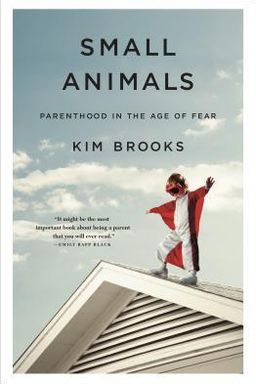
What happens when love and protection turn into a trap of fear? In Small Animals, Kim Brooks explores how modern American parenting has become defined by anxiety, guilt, and public shaming. Her story begins with a simple mistake—leaving her son in a car for five minutes—and spirals into a legal ordeal that exposes a cultural epidemic: we no longer just fear for our children’s safety; we fear failing to be the perfect parent. Brooks contends that this new fear-driven style of parenthood has reshaped American life, creating a society of exhausted, isolated, overly controlled parents and equally stifled children.
Through vivid personal storytelling, journalistic inquiry, and sociological insight, Brooks investigates why parents—especially mothers—have become targets for judgment and self-policing. This book blends memoir and cultural critique, charting how fear manifests through surveillance, social media, and even the justice system. She argues that the obsessive drive to protect children at all costs isn’t making anyone safer—it’s costing parents their freedom, sanity, and connection to each other.
The Incident That Sparked a Movement
When Brooks left her four-year-old son briefly in a parked car, a bystander filmed it and called the police. Though her child was safe, Brooks was charged with contributing to the delinquency of a minor. The experience forced her to confront an uncomfortable truth: parenting has become public property. Every decision is scrutinized, every error potentially criminal. The ordeal exposed an invisible hierarchy of judgment—one that punishes mothers more severely than fathers and disproportionately targets the poor and people of color.
The Culture of Paranoid Parenting
Brooks situates her experience within a broader historical shift. Parenting used to be guided by love, community, and common sense. Now, following decades of media-fueled fear—from child abduction panics to viral social media outrage—parents have internalized the notion that children are constantly at risk. We’re taught that one mistake could lead to tragedy, making vigilance an endless job. As sociologist Frank Furedi describes (in Paranoid Parenting), this mindset elevates risk avoidance to a moral duty. Brooks sees it as a symptom of a society obsessed with control, where data, advice, and surveillance technologies create the illusion that danger can be eliminated.
Fear as a Social Currency
For Brooks, fear isn’t just an emotion—it’s a form of social capital. The more visibly anxious and vigilant you appear, the more credibility you’re granted as a parent. Motives that were once rooted in community and trust have shifted toward performative displays of care: the mother who constantly hovers, who monitors every possible danger, is seen as good, while the one who gives her child autonomy is suspect. Yet this culture creates division and isolation instead of safety, amplifying the loneliness of motherhood while eroding shared responsibility.
The Stakes for Parents and Children
Brooks reveals that fear doesn’t just shape how we parent; it shapes society itself. Through stories of other mothers—Debra Harrell, arrested for letting her daughter play at a park, and Julie Koehler, investigated for leaving her kids in a car while buying coffee—Brooks exposes how fear has become weaponized against women. Those with privilege and legal literacy may escape, but vulnerable families face lasting trauma, job loss, and separation. Brooks concludes that we’ve mistaken vigilance for virtue, sacrificing freedom, creativity, and joy for the illusion of safety.
Why This Matters to You
As you read Small Animals, you’re invited to reconsider what safety actually means. Brooks challenges you to see fear not as protection but as paralysis—a force that prevents connection and growth. The book calls for courage, empathy, and collective sanity. Its question lingers long after you finish: are we protecting our children, or are we protecting our fears?