
Idea 1
Building a Lifetime Relationship with Your Skin
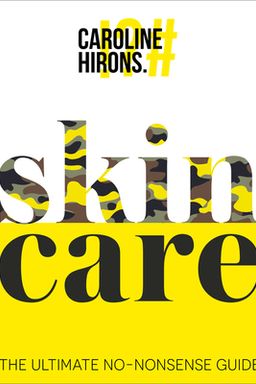
How can you build a lifelong partnership with your skin—one that balances care, science, and sanity in an age of skincare overload? In Skincare, Caroline Hirons argues that good skin isn’t about fads, filters, or fifteen-step routines; it’s about understanding your skin’s biology, respecting its barriers, and developing consistent habits that support it for life. Drawing on over thirty years of experience as a professional aesthetician, she demystifies the beauty industry’s marketing noise and reframes skincare as daily hygiene, self-respect, and self-care—backed by science, not slogans.
Hirons’ central claim is disarmingly simple: your skin knows what it’s doing, and the best thing you can do for it is to support, not sabotage, its natural function. This means cleansing properly, protecting from sun damage, maintaining hydration, and using scientifically proven actives—not chasing every influencer-endorsed trend. Her philosophy dismantles myths like “natural equals better” and “your skin sleeps at night,” replacing them with a realistic, age-inclusive approach rooted in physiology and practicality.
From Overwhelm to Routine
The book begins by tackling confusion around routines—particularly the anxiety of not knowing what’s essential versus optional. Hirons insists most people need just three things: a good cleanser, moisturizer, and sunscreen. Everything else—acids, retinoids, serums—is optional until your skin demands it. She uses humor (“If your skin’s happy, don’t mess with it”) to make self-discipline feel doable rather than restrictive. Her famous “take it to the tits” mantra extends skincare from face to neck and décolletage, reminding readers that this largest organ deserves care beyond beauty trends.
Knowing Your Skin: Science Over Myth
Next, Hirons turns teacher, breaking down the science of skin layers—the epidermis, dermis, and subcutaneous tissue—with the clarity of a biology instructor and the sass of a friend who’s seen too many expensive mistakes. She urges understanding the difference between skin type (oil or dryness you’re born with) and skin condition (temporary states like dehydration, acne, or rosacea). By separating these, readers stop wasting money on mismatched products. She highlights how sensitive skin often results from overuse of actives, not genetics—a radical corrective to modern marketing.
Tools, Actives, and Truth Bombs
Later, Hirons exposes the science and myths behind every major skincare category—from cleansers and acids to vitamin A and SPF. Her rule: spend on serums, save on cleansers and moisturizers. Ingredients like glycolic acid, retinoids, and niacinamide come alive through her practical analogies (glycolic is the “Pac-Man” of dead skin cells). She also distinguishes fact from fiction—clarifying, for instance, that “chemical” doesn’t mean unsafe, and that no cream can “shrink pores.” In a beauty world obsessed with marketing jargon, her no-nonsense tone is refreshing and empowering.
When Life Happens
Hirons devotes a substantial portion to real-life skin changes—puberty, pregnancy, menopause, chronic illness, even chemotherapy—acknowledging with compassion that skin reflects the body’s internal story. Instead of chasing unattainable “glow,” she advocates adapting routines with empathy. The perimenopause chapter, in particular, reframes midlife skincare as hormone support rather than panic. “Ageing is a privilege,” she reminds readers—a sentiment that places health and gratitude above youth obsession.
Science, Marketing, and Myth Busting
The final sections are part detective story, part debunking clinic. Hirons walks readers through ingredient labels, translating the jargon of INCI lists and exposing “angel dusting”—the act of adding trendy ingredients in meaningless trace amounts for marketing appeal. She debunks “clean beauty,” dismantles the lie of “detox” skincare, and calls out pseudo-scientific trends like “stem cell creams” and “SPF drops.” Her weapon is education: once you understand molecules, you stop being manipulated by ads. Echoing other science-based educators like Michelle Wong or Paula Begoun, Hirons encourages critical thinking over blind faith.
Beyond Products: A Philosophy of Respect
Ultimately, Skincare is about respect—for your skin, your wallet, and yourself. By approaching skincare as daily health maintenance, not moral judgment or vanity, Hirons restores balance to an industry that profits from confusion. Whether describing the morning cleanse, an SPF ritual, or how to care for sensitive skin post-chemo, her message remains consistent: consistency, education, and honesty are the only miracle workers. You don’t need to be perfect—you just need to pay attention.
Caroline Hirons’ book doesn’t just tell you what to buy—it teaches you how to think. And once you start thinking like your skin, it never stops rewarding you.