
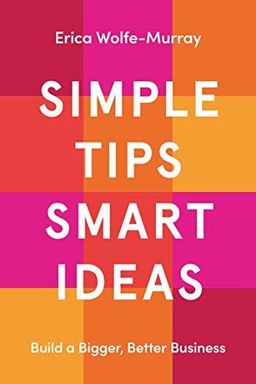
Simple Tips, Smart Ideas cover

Simple Tips, Smart Ideas

by Erica Wolfe-Murray

Simple Tips, Smart Ideas by Erica Wolfe-Murray is a must-read for small business owners seeking growth and innovation. This guide distills industry knowledge into practical strategies, offering unique insights on agile business planning, understanding product value, and cultivating lasting client relationships.

Making Social Media Simple for Small Businesses

What if building your business brand online didn’t have to be overwhelming? Social Media Made Simple by The Sitters Australia is a hands-on, conversation-style guide created specifically for small business owners who juggle everything—from bookkeeping to client calls—and still need to find time to post on social media. The author argues that social media isn’t just about online visibility; it’s about creating an authentic voice for your business that communicates who you are, connects with your ideal audience, and drives results without draining your energy.

At its heart, the book contends that success on social media stems from five strategic yet manageable steps: researching your ideal audience, setting up optimized profiles, crafting engaging and consistent content, evaluating your performance through data, and scaling with advanced tactics such as blogging and paid ads. This isn’t a theoretical marketing essay—it’s a friendly toolkit that holds your hand as you go from “winging it” to managing a brand with purpose.

The Challenge: Overwhelm and Uncertainty

Many small business owners recognize that social media matters, yet few have the time or clarity to build a plan. As the book notes, the twin barriers are time scarcity and not knowing where to start. The Sitters team simplifies this process by providing digestible chapters, reflective “mini tasks” after each concept, and clear examples—like a cupcake bakery targeting local mothers or a personal trainer designing posts for “Karen,” a carefully drawn customer persona. The message is simple: you don’t have to do everything; you just have to do what works for your business and your audience.

The Five-Step Structure

Step 1 begins with Research. You identify who your customers truly are—not by guessing, but by examining your current buyers, conducting surveys, and mapping insights into personas that personify your best clients. Step 2 focuses on Set-Up: choosing the right platform, using keywords, writing strong bios, crafting story-driven “About” pages, and creating visual consistency through images and hashtags. Step 3 introduces Content Creation, emphasizing the “social” in social media by advising readers to share stories, behind-the-scenes moments, and customer-centric engagement posts rather than constant sales pitches. Step 4 deals with Evaluation, translating analytics and metrics into actionable insights. Finally, Step 5—Above and Beyond—encourages taking marketing further through blogging, sponsored ads, and regular evaluation using the provided templates.

Why This Approach Matters

The Sitters’ philosophy echoes what marketing leaders like Seth Godin and Gary Vaynerchuk often emphasize: in a noisy digital world, people buy from those they know, like, and trust. This book helps you earn that trust by being human, authentic, and engaging. It challenges the misconception that social media success requires huge budgets or fancy tech—reminding readers that consistency, empathy, and originality go further than perfection.

The guide also digs into the emotional side of marketing. It acknowledges that small business owners often feel guilt or anxiety when failing to post regularly. Its tone feels like a pep talk from a friendly mentor: forgiving, encouraging, and practical. The examples—whether the personal trainer catering to mums with childcare needs or the bookkeeper using a fun Instagram bio—demonstrate that even serious industries can show personality online.

Beyond Basics: Towards Authentic Marketing

Every concept in the book ultimately connects back to authenticity and audience relevance. You learn to think less like a seller and more like a listener, to turn your social channels into conversations instead of billboards. Through exercises like “Draw your customer persona” and “Name your top hashtags,” The Sitters team transforms passive readers into active doers.

As the authors conclude, nurturing your online brand is akin to watering a plant—it doesn’t need lavish attention every day, just consistent care and patience. The more genuine effort you put in, the more growth you see over time. Whether you’re a hairdresser, builder, dog walker, or accountant, Social Media Made Simple gives you the roadmap to turn scattered posts into a coherent strategy, and casual followers into loyal advocates of your brand.


Know Your Audience and Niche

The first practical principle in The Sitters’ roadmap is simple: your audience is not everybody. Trying to appeal to everyone usually means appealing to no one. Through relatable examples—the dog-collar ad wasted on non-pet owners or the cupcake shop guessing who loves sweets—the authors show that smart marketing starts with focus. You’re taught to gather customer data (age, occupation, interests, habits, referral sources) and interpret patterns that reveal the customers most likely to buy again.

Crafting Personas

Once you know the broad traits of your customers, it’s time to give them a name and story. Enter personas: semi-fictional characters that embody your perfect clients. In one example, the book introduces Karen, a working mum with specific pain points and objections. By writing posts as if addressing Karen directly, your tone, imagery, and offers naturally align with her needs. This technique converts vague audiences into real people you can empathize with—and that empathy strengthens your storytelling later.

(Marketers like HubSpot popularized personas years ago, but The Sitters’ version makes it refreshingly accessible: draw or visualize Karen, pin her to your wall, and write everything with her in mind.)

Finding Your Niche

The authors underline the power of narrowing focus. A niche means positioning yourself as the go‑to expert for a specific group—like an accountant specializing in dental clinics. Doing so doesn’t exclude other clients; it simply clarifies your expertise. This approach can lower your marketing costs and give you authority that general competitors lack. As the book puts it, “Gone are the days of trying to be everything to everybody.”

Listening Before Selling

Ironically, the first step in great marketing isn’t talking—it’s listening. The Sitters encourage you to monitor competitor posts, survey customers, and simply pay attention to what your market loves, hates, and asks questions about. This “social listening” feeds your content strategy and ensures you’re responding to real needs, not assumptions. As the authors write, it’s better to post less often but say something meaningful than to flood feeds with self-congratulating noise.

Together, these activities build empathy—a skill that transforms how you market. By truly listening before posting, you begin creating from your customer’s perspective, not your own assumptions.


Setting Up for Success Online

Once you know who you’re speaking to, setting up your digital storefronts comes next. The book calls this “Step 2,” but it’s less about tech and more about brand psychology. How you present yourself online—your choice of platform, words, images, and rhythm—tells your audience whether you’re professional, approachable, and trustworthy.

Choosing Platforms and Keywords

Different platforms carry different personalities. LinkedIn suits B2B professionals; Instagram thrives on visual creativity; Facebook bridges community engagement. The book nudges you to invest only where your target audience already spends time. From there, identify keywords—the essential search terms that describe what you do. For instance, a Brisbane hairdresser might focus on “balayage,” “foils,” and “Brisbane salon.” Sprinkle these naturally across your profiles to boost discoverability without falling into keyword stuffing (a mistake that makes your copy robotic and unreadable).

Creating a Magnetic Profile

Your profile photo, bio, and “About” section act as your digital handshake. The Sitters emphasize clarity over cleverness: short bios with bullet points, emojis if appropriate, and instant cues about location, services, and vibe. An Instagram dog-walker bio like “Professional Dog Walking | Gold Coast | Big Breeds Welcome” is perfect—clear, warm, and descriptive. Likewise, an “About” page should read like a story rather than a brochure: how you started, the problem you solve, the milestones you’re proud of, and the human that drives it all. (Story-based branding echoes Donald Miller’s Building a StoryBrand—help customers see themselves as the heroes you help, not just buyers.)

Visual Consistency: Feed vs. Story

The authors explain that your feed is your brand gallery—only publish your best, most visually cohesive posts there. Keep spontaneous, casual updates for Stories that vanish in 24 hours but build real-time connection. This distinction protects your professional aesthetic while giving personality to your brand. The takeaway: polish the feed, play in the stories.

Hashtags and Scheduling

Hashtags are free digital channels to help people find you. Use a mix of branded (#TheGreatestLocksmith), industry (#LocksmithLife), and post‑specific (#CarKeys) tags. Keep an eye on your Insights to track which hashtags drive most views. Finally, use scheduling tools (like Later or Buffer) to plan weeks of posts at once. Scheduling ensures consistency—the secret ingredient distinguishing successful accounts from ghost towns. Pencil your social content into your calendar the same way you would pencil in a client meeting. Commitment beats spontaneity every time.


Creating Content That Connects

When you’re ready to post, remember that social media isn’t called “sales media” for a reason. The Sitters devote an entire chapter to reorienting how small business owners think about content. Your goal isn’t to broadcast; it’s to start conversations, express your brand’s values, and make people feel seen.

Be Social, Not Salesy

The book illustrates this principle through a storytelling analogy: imagine walking into a networking event and opening with a sales pitch instead of a friendly hello. On social media, talking incessantly about your products is just as off-putting. Instead, share useful insights, personal stories, and engaging questions that invite participation. “People connect with people, not businesses,” the book reminds readers—a mantra echoed by human-centered marketers like Simon Sinek (“Start with Why”).

Define Your POD (Point of Difference)

To stand out in a noisy digital marketplace, clarify what makes you unique. Maybe it’s 20 years of experience, eco‑friendly practices, or weekend availability. Ask clients what drew them to you; their answers often reveal advantages you don’t realize you have. This “Point of Difference” anchors your branding visuals, slogans, and tone.

Tell Stories That Stick

Humans remember stories, not bullet points. Instead of listing features (“Xero offers payroll and P&L tracking”), narrate how a café owner named Johnny used Xero to save time and sanity. Suddenly, dry data comes alive. This parallels approaches from content marketing experts like Ann Handley, who also advocates story-first communication. The Sitters’ rule: transform information into empathy through narrative.

Engagement and Visual Creativity

The authors teach how to use creative media—photos, props, holidays, and videos—to keep posts fresh. Even an IT company can liven feeds by photographing coffee cups (“basic formatting tips for Word”) or outdoor plants (“software growth through integration”). Video marketing earns special praise: use simple phone recordings for quick tips or behind‑the‑scenes peeks. Show your face, they urge, because authenticity always outperforms polish.

Whether it’s humor, storytelling, or community collaboration, content that resonates emotionally will always outperform content that merely informs.


Mastering Metrics and Evaluation

Analytics may sound intimidating, but for The Sitters, data is your feedback loop—it tells you what works and what’s wasting your time. “Marketing without data is like cycling with your eyes closed,” they quip. Step 4 is all about opening your eyes to measurement.

Understand Key Metrics

The authors define basic terms: engagement (likes, shares, comments), impressions (times seen), reach (unique viewers), and engagement rate (interaction divided by impressions). By tracking these monthly, patterns emerge: maybe your “Before/After” posts outperform Q&A ones, or your Saturday morning posts flop. Write these down—it’s detective work that informs next month’s plan.

Focus on Real Results, Not Vanity Metrics

One of the book’s strongest warnings concerns follower obsession. Ten thousand disinterested followers are less valuable than one hundred engaged, loyal ones. The goal isn’t to look popular—it’s to build community. Respond to comments, message followers, ask questions. Relationships convert, not numbers. This aligns with what digital analyst Avinash Kaushik calls “the difference between reporting and insight.”

Seek Feedback, Not Just Data

Numbers alone can’t tell you everything. The authors encourage combining metrics with qualitative feedback. Ask clients directly what they liked, what confused them, and what content they want more of. Regular feedback sessions and social listening create a dynamic strategy that evolves with your market’s expectations. Flexibility, curiosity, and a willingness to adjust are portrayed as the hallmarks of effective marketers.

By embracing evaluation as a creative process rather than a critique, you turn each “failed” post into a lesson that sharpens your future storytelling skills.


Going Above and Beyond: Blogs and Ads

After you’ve mastered basics and analytics, the book invites you to expand your reach. Step 5 explores advanced but accessible tactics—blogging and sponsored advertising—that can dramatically enhance visibility when used strategically.

Blogging as a Social Companion

Blogging may sound old-school, but it remains a potent storytelling tool. A blog allows you to educate, entertain, and appear regularly in Google search results through fresh content (which boosts SEO). The Sitters recommend starting simple: answer frequently asked questions, share seasonal advice, or post short reflections about your industry. The tone should mirror your social voice—personal, concise, and helpful—not academic. Publishing even once a month keeps your site alive and your expertise visible.

(This echoes approaches seen in They Ask, You Answer by Marcus Sheridan, which also frames blogging as the ultimate trust-building resource.)

When and How to Use Paid Ads

For those with small budgets, Facebook Ads offer low-cost, high-precision targeting. You can start for as little as $2 a day, selecting demographics such as age, location, and interests—remember those personas you created earlier? That’s where they come into play again. Ads should blend naturally into newsfeeds and feel conversational, not pushy. Use attractive visuals, concise text, and clear calls to action (e.g., “Learn More,” not “Buy Now”).

Evolving with Your Audience

Paid strategies aren’t “set and forget.” Monitor your ad performance weekly to adjust budget and audience settings. Use failures as data points rather than disappointments. Similarly, upgrade your campaigns as you learn from readers’ responses—the hallmark of sustainable digital marketing. Ultimately, blogs and ads are two sides of the same coin: one builds trust through information, the other amplifies reach through exposure. Together, they move you from marketer to mentor in your field.


101 Content Ideas and the Art of Relatability

The book’s crown jewel is its list of 101 content ideas, divided into four engaging “bites”: Teach, Entertain, Promote, and Build. The framework helps small business owners mix education, fun, persuasion, and community into a balanced feed that never grows stale.

Teach and Entertain

“Teach” covers content that informs—quick tips, “How-To” videos, myth-busters, or health checks related to your field. It builds authority through generosity. “Entertain” adds personality—behind-the-scenes snapshots, holiday posts, or quirky memes that show your human side. Humor and storytelling become engagement engines that spark genuine conversation instead of polished perfection.

Promote and Build

“Promote” teaches subtle selling: share testimonials, celebrate milestones, run contests, and explain your services transparently. The Sitters warn against aggressive tactics—“sell the problem you solve, not the product itself.” “Build” is about deep connection—showcasing values, community involvement, and gratitude posts that remind followers there’s a real person behind the logo. These posts make supporters feel part of your journey.

Balancing the Menu

Each “bite” serves a role: education builds trust, entertainment sparks visibility, promotion drives sales, and relationship-building ensures longevity. By rotating through these categories weekly, you keep content diverse, purposeful, and easy to plan—a strategy reminiscent of Gary Vaynerchuk’s “jab, jab, right hook” approach (give value, give value, then ask).

In practice, this content buffet cures writer’s block forever. It transforms social media from a chore into a creative playground where you connect, collaborate, and continuously grow.


Lessons, Pitfalls, and Patience

The book closes with a compassionate reminder: success on social media takes patience and reflection. Think of your marketing presence like a plant—you can’t rush growth, but you can nurture it through routine care. The Sitters dismantle common mistakes and replace them with sustainable habits.

Common Traps to Avoid

Don’t ignore comments, buy followers, or automate soulless messages. Avoid jargon-heavy posts that alienate readers or “set and forget” schedules that signal inactivity. Also, never neglect proofreading—small spelling errors can erode professionalism faster than you think. These warnings echo Seth Godin’s call for “remarkable” authenticity: better to stand out for sincerity than to fade behind polished emptiness.

Resilience and Realism

When engagement feels slow, remember that every business grows differently. Consistency matters more than viral spikes. As the authors share through their “Monstera plant” metaphor, results blossom slowly but surely with steady care. You can’t water your content once and expect lifelong blooms; continual attention keeps your growth thriving.

Authenticity as a Lasting Strategy

Ultimately, the Sitters want you to rediscover joy in marketing. Their conclusion feels like mentorship: social media success isn’t about algorithms; it’s about relationships. Stay curious, listen deeply, share generously, and your audience will grow—not just in numbers, but in loyalty. If your brand’s energy feels like a conversation rather than a commercial, you’re already winning.

This final message ties the book together: great marketing mirrors great humanity—consistent, caring, and irresistibly real.

Dig Deeper

Get personalized prompts to apply these lessons to your life and deepen your understanding.

Go Deeper

Get the Full Experience

Download Insight Books for AI-powered reflections, quizzes, and more.