
Idea 1
Running Toward a Dream: Building Nike from an Idea
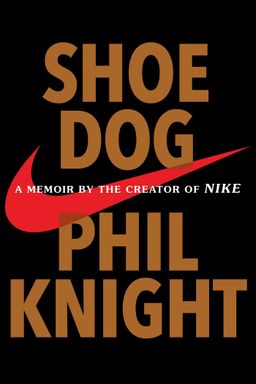
What does it take to turn a single idea into a global movement? In Shoe Dog, Phil Knight recounts how his “Crazy Idea”—to import high-quality, low-cost running shoes from Japan—evolved into Nike, one of the world’s most iconic brands. His memoir is less a standard business chronicle and more a story about belief, obsession, and the messy, often painful work of creation. Knight teaches you that entrepreneurship isn’t a clean process of planning and execution; it’s a test of endurance, self-belief, and a willingness to learn through failure.
At its core, the book argues that you can build a successful company only when personal passion meets strategic insight. For Knight, that intersection is running: a practice of discipline, pain, rhythm, and faith in forward motion. He uses running not just as a metaphor but as an operating system—a mental model for persistence when the finish line is invisible.
The Birth of the “Crazy Idea”
The story begins in 1962, when Knight, a recent Stanford MBA and Oregon track athlete, writes a paper proposing that Japanese manufacturers could disrupt German-dominated footwear just as they had done with cameras. That classroom exercise becomes a life mission. He pitches the concept to his father, secures a small loan, and travels around the world, stopping in Japan to meet executives from Onitsuka, maker of the Tiger running shoe. With charm and youthful boldness, he convinces them to give him U.S. distribution rights—without yet having a company to fulfill them.
Knight later partners with his former coach, Bill Bowerman, forming Blue Ribbon Sports. Bowerman, an obsessive experimenter, tears shoes apart in search of better performance and credibility among runners. Together, they fuse insight and credibility: Knight sells with passion; Bowerman innovates with precision.
Travel as Education and Cultural Immersion
Knight’s early travels—from Honolulu to Tokyo and beyond—serve as his second education. He observes cultures, learns Japanese etiquette, and discovers that business across borders requires patience and trust. He learns to read between the lines of phrases like “we will consider,” and realizes that respectful persistence wins more than aggression. Those habits—curiosity, listening, humility—become as valuable as any MBA lesson.
This awareness of culture helps Knight navigate early negotiations with Onitsuka, blending Western urgency with Eastern subtlety. His “bridging” approach—built on empathy—foreshadows how global entrepreneurs must operate today.
From Passion to Prototype
Blue Ribbon grows in the trenches: out of a trunk at track meets, through mail-order forms, and in the hands of devout employees like Jeff Johnson. Johnson’s fanaticism—sending handwritten notes to every customer—becomes an informal CRM decades before the concept existed. Every sale is personal. This grassroots focus anchors the company’s authentic relationship with runners and lays the foundation for brand trust.
But success brings strain. Onitsuka’s shipments falter, banks question the business’s debt ratios, and family money plugs the gaps. Knight’s wife, Penny, works from home filling orders while pregnant. They mortgage their house to keep inventory moving. Knight learns that entrepreneurship fuses personal and professional life—each risk also threatens the family dinner table.
Becoming a Brand
The pivotal transition from Blue Ribbon to Nike marks a leap from distributor to creator. After Onitsuka betrays them, Knight must either fight for independence or fold. He builds the Nike name (suggested by Jeff Johnson’s dream) and Carolyn Davidson designs the now-famous swoosh for $35. The new orange boxes, imperfect Chicago trade show display, and slightly crude shoes announce Nike’s entry as a true brand. Chicago 1972 is the moment when authenticity—Knight’s passion and persistence—trumps polish. Buyers order because they believe the team will fix flaws fast.
Nike’s early identity grows from cultural authenticity: athletes as evangelists, quirky names like “Cortez” and “Blazer,” and grassroots credibility from coaches and runners. The brand reflects Knight himself—restless, experimental, imperfect.
Risk, Innovation, and Resilience
From Bowerman’s waffle sole (inspired by a breakfast iron) to air cushioning innovations with M. Frank Rudy, Nike’s success springs from a willingness to take creative risks and endure product failures. Mistakes like the LD 1000’s instability or Tailwind’s shredded heels teach the discipline of iteration: prototype fast, test hard, scale only what works. The lesson extends beyond shoes—innovation requires humility as much as courage.
Financial survival remains constant background noise. Partnerships with Japanese trading giant Nissho, legal battles with Onitsuka, and the 1975 customs crisis force Knight to master finance under fire. He learns that cash flow and trust—rather than sleek marketing—define a business’s continuity.
Legacy and Leadership
Internally, Nike turns chaos into culture. The “Buttface” retreats (raucous internal summits) create a tribe that is both competitive and loyal. Knight leads by delegation, trusting lieutenants like Strasser, Woodell, and Hayes to make big calls. Yet the culture’s intensity extracts a price: burnout, personal strain, and family distance. Knight’s son Matthew’s tragic death years later reframes the meaning of success, inspiring his philanthropy and values-driven leadership.
In the end, Knight’s story is a parable about building meaning through movement—literal and metaphorical. You keep running, not because the path is easy, but because momentum itself becomes purpose. Nike’s origin, then, isn’t merely corporate history; it’s a study of how courage, curiosity, and love for the craft can create something that stands long after its founders rest.