
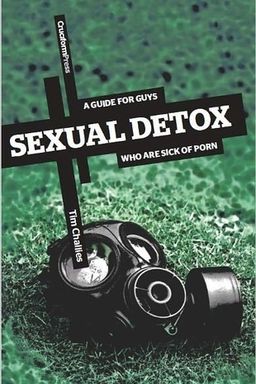
Sexual Detox cover

Sexual Detox

by Tim Challies

Sexual Detox provides a compelling roadmap for Christian men trapped in pornography''s grasp. Tim Challies offers a path to redemption by realigning with God''s vision for intimacy, emphasizing truth, and embracing God''s grace for lasting freedom.

Sexual Detox: Reclaiming Purity in a Pornified World

What does it really mean to be sexually pure in a culture where pornography is just a click away? In Sexual Detox: A Guide for Guys Who Are Sick of Porn, Tim Challies confronts one of the most pervasive struggles of modern manhood—sexual addiction and pornography—and offers a road toward repentance, renewal, and reorientation around God’s design for sex.

Challies contends that sexual sin is not ultimately about ignorance or lack of information—it’s about belief. You already know porn is wrong; the problem is that you still believe its lies. The author’s central argument is that freedom begins when you truly believe that God’s vision for sex is better than sin’s empty promises. In this book, he combines biblical counsel, practical advice, and pastoral warmth to help men detox their souls and bodies from the toxins of pornography, lust, and self-gratification.

The Modern Reality of Porn and Its Power

Challies begins by painting a shocking yet honest portrait of today’s "pornified" society. Unlike in his own adolescence—when porn required risky visits to magazine racks—today’s generation can access unlimited pornography from their phones. This accessibility has changed everything: porn has rewired male expectations, shaped sexual development in youth, and distorted genuine intimacy. Even non-Christian voices—like the feminist writer he cites—acknowledge that men now approach women as caricatures of porn stars rather than partners. Porn has become, Challies argues, not just entertainment, but a teacher of counterfeit intimacy.

According to Challies, this digital revolution has created a spiritual and biological addiction that enslaves men. It mocks God’s purpose for sex, turning something sacred into something selfish, isolating, and violent. The metaphor of “detox” captures his message perfectly: sin has infected your body and soul, and cleansing will require painful but liberating discipline—a return to spiritual normalcy under God’s grace.

A Theology of Repentance and Restoration

Detox, for Challies, means a two-stage process: putting off sin and putting on righteousness. Borrowing from the biblical language of sanctification, he insists that men must not only stop looking at pornography but must also replace lust with a new way of seeing sex. That transformation doesn’t happen overnight; it’s a lifelong discipline of grace-fueled repentance. The final goal isn’t perfection—because temptation will never vanish—but progress and increasing freedom.

In one of his most compelling insights, Challies writes that you won’t quit porn until you’re horrified by it. Sin always begins as alluring but becomes progressively controlling. The reader is urged to view pornography much like poison—something that may seem harmless in small doses but destroys the soul over time. Through his use of Scripture, he reminds readers that only hatred of sin and love for God can drive out sexual slavery.

Why Moral Knowledge Isn’t Enough

In the book’s foreword—written by a group of young men Challies mentored—the authors illustrate the difference between knowing what’s right and truly believing it. They use a simple analogy: a diabetic man who eats cookies knows it’s wrong but does it anyway because he believes the pleasure outweighs the consequences. Similarly, many men indulge pornography not because they are ignorant but because they still believe it’s worth more than obedience to God. The mission of Sexual Detox is to reshape these beliefs until men genuinely trust that God’s way offers greater joy.

This conviction-based transformation sets the book apart from typical self-help or behavioral methods. There are no "five easy steps" to purity here. Instead, Challies calls for nothing less than a spiritual conversion of imagination and desire. He reminds men that true freedom isn’t “not sinning even though you want to,” but rather “no longer wanting the sin.”

Redefining Sex Through God’s Eyes

Later sections move beyond sin management to the biblical beauty of sex. Challies explores why God created sexual desire—not as a curse to fight but as a gift to channel toward covenant intimacy. He describes sex as a divine invention designed for unity, joy, and service within marriage. When misused, it isolates; when used rightly, it creates life and deepens love. Men must therefore retrain their minds to see sex as worship—an act reflecting God’s creative generosity, not an indulgence of self.

This positive theology is essential to detox, because repentance without a new vision leaves a vacuum. Challies draws here from Scripture and Christian traditions similar to those articulated by C.S. Lewis in Mere Christianity—that true pleasure isn’t denied but redeemed. Sex, rightly practiced, motivates obedience, strengthens loving leadership, and enhances true marital freedom.

Spiritual and Practical Healing

Finally, Challies addresses how to live this out: confession, pastoral accountability, Scripture meditation, and habitual reliance on grace. The detox journey requires both community and divine help. Like an addict entering recovery, you must acknowledge your brokenness, reject secrecy, and learn to depend on God’s power, not your willpower. Challies closes with an appeal to seek mentorship and pastoral guidance, not because you’re weak, but because isolation fuels relapse. He offers empathy rooted in his own story of deliverance, assuring readers that transformation, though difficult, is absolutely possible.

Ultimately, Sexual Detox invites you to move from shame to grace—to stop defining yourself by your failures and start living as one redeemed by God’s design. It’s not just about quitting porn; it’s about rediscovering joy, freedom, and manhood as God intended. In a world obsessed with counterfeit desire, Challies offers a biblical roadmap back to wholeness.


The Reality of Pornography’s Corruption

In the opening chapter, Tim Challies doesn’t shy away from describing how profoundly pornography has altered modern life. What used to be a furtive act requiring effort and risk has become an instantly accessible addiction. He recalls how, in his pre-internet youth, finding a pornographic magazine involved deception and daring, but now a child can stumble upon explicit content in seconds. The world hasn’t just added the internet—it has been remade by it. And in this new world, sex is no longer sacred; it’s a public commodity.

Challies warns that this accessibility is rewiring human expectations. Porn teaches men to consume, not to love—to demand, not to cherish. He cites evidence from secular sources, including the book SuperFreakonomics, to show that porn has even altered the economics of prostitution and the definition of “taboo.” The speed of moral erosion, he argues, reveals the natural progression of sin: from forbidden to normalized, and from normalized to celebrated.

Porn as Mockery, Violence, and Progression

To help men hate their sin, Challies invites them to see porn’s true character: it is mocking, violent, and progressive. Pornography mocks God’s design by turning a symbol of covenantal union into transactional lust. It is violent because it fractures love into domination and consumption. And it is progressive, in that it always demands more—deeper depravity, harder fantasies, and greater alienation. What begins as curious viewing ends in bondage.

Once you see it this way, the illusion of control fades. The man thinks he’s dabbling; in truth, sin is leading him step by step to destroy his mind, marriage, and hope. Challies insists that the only healthy fear is the fear of what porn will make of you if you don’t stop. As Proverbs warns, “Sheol and Abaddon are never satisfied.”

The Detox Begins With Seeing Clearly

Freedom begins with realism. You cannot heal from what you refuse to name. Challies compares porn detox to a medical detox: your system must expel toxins before it can recover. The process hurts because spiritual poison has become part of your biology. But detox is not punishment—it’s restoration. The aim is not to erase sexual desire but to reset it toward its proper purpose: marital love anchored in God’s plan.

His challenge is clear: recognize that your addiction is a spiritual crisis requiring grace and warlike resolve. You cannot bargain with lust, hide it behind your screen, or domesticate it within marriage. Only by acknowledging its toxicity and surrendering to God’s cleansing can your heart—your inner moral center—be reset to truth.


Pornography vs. Marriage

Pornography doesn’t simply ruin single men; it poisons marriages too. In Chapter 2, Challies explores how men often enter marriage carrying pornographic expectations of sex and intimacy. Their imaginations, fueled by thousands of images, project those distortions onto their wives. They expect performance instead of partnership, variety instead of vulnerability. The result is disconnection—the bondage of isolation under the illusion of intimacy.

For Challies, porn’s most destructive effect in marriage is how it teaches self-gratification rather than mutual giving. To indulge in porn is to rehearse selfishness, which later makes genuine marital unity almost impossible. The husband may look at his wife not through the eyes of Christ, but through the eyes of a pornographer. This comparison is piercing: every husband shaped by porn lenses his wife through the gaze of other men, effectively allowing them to define his vision of beauty, pleasure, and worth. What’s meant to be pure becomes polluted.

The Myth That Marriage Will Cure Lust

Many single men assume marriage will magically end their battles with lust. Challies dismantles this illusion. Marriage doesn’t erase addiction; it exposes it. Sexual sin isn’t a physical problem needing a physical outlet—it is a spiritual problem revealing deeper unbelief. When sin lies dormant, it will always resurface, especially in moments of marital stress or separation. Unless you learn to battle temptation before marriage, it will eventually contaminate your commitment after.

Pornography and marriage differ not only in behavior but in essence. Porn isolates; marriage unites. Sexual sin is about taking; marital sex is about giving. Porn feeds self-worship; marriage calls for self-sacrifice. Therefore, detox requires relearning love as service. You must continually “put off” the old ways of self-gratification and “put on” new patterns of purity, gratitude, and pursuit of your wife’s joy.

Staying Free Through Lifelong Repentance

Challies warns that even mature Christian men never “graduate” from temptation. The detox process is lifelong. Staying pure demands constant repentance, prayer, and watchfulness. As he puts it, “The wonderful transformation of a deep and thorough detox is necessary…but none of us ever arrive in any kind of permanent way.” Freedom is not a past event; it’s an ongoing surrender. The battle doesn’t end until Christ returns.

For married men, this means leading their homes by grace, not shame. For single men, it means pursuing holiness now, not waiting for marriage as a moral loophole. In both cases, God’s goal is not repressed desire but redeemed desire—the kind of sexual love that reflects the gospel itself: self-giving, faithful, forgiving, and pure.


A Theology of Masturbation

In the third chapter, Challies tackles one of the least discussed—and most pervasive—topics: masturbation. He calls it the hidden epidemic among men, often rationalized as “harmless.” Approaching the topic with candor and sensitivity, Challies dismantles the myth that masturbation is amoral or morally neutral. Even if the Bible doesn’t name it explicitly, Scripture speaks sufficiently about lust, purity, and self-control to make its moral nature clear.

Why Guilt Exists for a Reason

Challies begins with an observation: guilt and shame accompany masturbation because our consciences recognize its distortion. He refuses to dismiss that guilt as psychological repression, as some Christian writers like James Dobson once suggested. Instead, he reframes guilt as God’s alarm system—a sign that something is wrong. “Don’t waste your guilt,” he writes; it’s meant to lead you back to repentance.

For millions of young men, masturbation feels like a private relief. Yet Challies reveals that it actually deepens isolation. Designed for mutual love, sex unites two into one. Masturbation splits the self from relationship, turning pleasure inward. It’s counterfeit intimacy. Therefore, even if performed without pornography, self-gratification still misses God’s design because it makes the self both lover and beloved.

Mind, Isolation, and the Image of God

Challies outlines two major damages caused by this habit: mind pollution and isolation. First, self-gratification feeds fantasy. It builds false expectations that reality—and your spouse—can never meet. Second, it trains the heart for aloneness, not unity. God’s design for sex is relational, mirroring His own Trinitarian nature of giving and receiving love. Masturbation breaks that mirror, teaching men to love without relationship. It undermines both marriage and spiritual vitality.

Finally, Challies turns to hope. The cure isn’t repression but redemption. Freedom begins not by numbing guilt but by embracing forgiveness. Through Christ’s cross, men can be cleansed from shame and empowered to live in purity. Overcoming masturbation, like any sin, requires discipline, prayer, and reliance on the Holy Spirit. Its victory testifies that the gospel redeems even the most private parts of our lives.


Three Gifts of Sex

After confronting sin, Challies moves toward celebration, revealing why sex itself is good. In Chapter 4, he explores what he calls the “three gifts of sex”: it motivates joyful obedience, strengthens a husband’s leadership, and enhances true freedom. Unlike the culture that idolizes sex or the church that sometimes fears it, Challies reminds readers that sex originated in God’s goodness. It is, at its core, worshipful joy in the context of covenant marriage.

Gift 1: Sex Motivates Obedience

Drawing from Genesis and 1 Corinthians 7, Challies explains that sexual desire is not a flaw—it’s a divine motivator for marital intimacy. Just as hunger drives us to eat, sexual desire drives us toward relational unity. This appetite, he writes, “is a gift of God, not to torment us but to motivate our obedience.” In marriage, regular, consensual intimacy honors God and strengthens the bond of love. When wrongly pursued, that same appetite destroys.

Gift 2: Sex Strengthens Leadership

Challies asserts that men generally possess a stronger sexual drive not by accident but by divine design—to lead in love. This means leadership rooted in tenderness, not dominance. True headship pursues a wife’s joy before one’s own. As in Christ’s love for the church, marital intimacy calls men to serve, not subdue. Therefore, when a husband cultivates romance, empathy, and patience, he reflects godly leadership even in the bedroom.

He reminds married couples of the Fall’s destructive aftermath—Adam’s selfishness and Eve’s resistance—and urges them to reverse that curse through mutual service. Healthy sexual leadership blends authority with gentleness, leading toward joy, not coercion.

Gift 3: Sex Enhances True Freedom

True freedom, according to Challies, is not the absence of boundaries but the ability to flourish within them. The world’s “freedom” devolves into slavery, but God’s boundaries create joy. Within marriage, sexuality is captivating, freeing, and safe. It glorifies God by mirroring his covenantal love. Conversely, any sexuality outside of marriage—pornography, adultery, masturbation—only binds and degrades.

By recovering these three gifts, men can reimagine sex not as shameful or mechanical but as sacred service. This redemptive vision rescues desire from distortion and reclaims God’s original “very good.”


Detox in the Bedroom

In this fifth chapter, Challies addresses a practical question: what should sex look like inside marriage after detox? The temptation, he notes, is to seek a checklist—to want someone to classify acts as allowed or forbidden. But Challies warns that demand for a “divine sex rulebook” leads either to legalism or license. Instead, he urges couples to build their sexual life around Scripture’s principles rather than specific prescriptions.

Sex Is Not Ultimate

First, sex is not God. It is not ultimate. Our culture screams the opposite, making sex the measure of success or identity. But Challies reminds men: you were made for worship, not for pleasure alone. Elevating sex from gift to god inevitably leads to idolatry and disappointment. The antidote is gratitude—the recognition that sexual fulfillment is secondary to knowing Christ.

Sex Is Not Mediated or Mechanical

Second, sex must not be mediated—meaning filtered through a screen or fantasy. Pornography trains people to view intimacy through pixels, destroying the immediacy that makes sex beautiful. Real sex is unmediated, body-to-body, soul-to-soul contact. Challies calls mediated sex an “oxymoron.” True union can only exist in the presence of genuine persons, not digital illusions.

Sex Is About God

Finally, sex is ultimately about God. This radical claim shocks many readers but reframes everything. Sex, like speech or work, is an act of obedience and worship. Couples who prioritize God’s glory over personal gratification discover joy that pornography can never counterfeit. Even when desire fades, faithfulness and self-giving preserve intimacy as a reflection of divine love.

Five Questions for Holy Passion

To help couples navigate practical decisions, Challies offers five diagnostic questions:

  • What is my heart in this—love or selfishness?
  • Is this an act of a conqueror or a servant?
  • Does this bring pleasure to one or both?
  • Does this trouble either conscience?
  • Can we thank God for this together?

These questions reject pornographic selfishness in favor of sacrificial joy. The goal is a marriage bed marked by tenderness, gratitude, and mutual honor. In short, detox in the bedroom means relearning to touch, love, and desire as worshippers, not consumers.


Detox in Your Soul

The final chapter, “Detox in Your Soul,” invites men to see purity as a lifelong walk of grace. Challies begins by confessing his own journey from lust to freedom—not freedom of sheer restraint, but a new heart that no longer desires sin. This is the fruit of deep repentance and prolonged sanctification. You can’t bury sin; it will decay and expose you. You must kill it by grace, daily and ruthlessly, replacing lies with truth.

Drawing from Colossians 3, he commands readers to “put to death” impurity by fixing their minds on God’s Word. He shares four passages that became his weapons against lust: Genesis 26:8 (innocent affection between Isaac and Rebekah), 1 Peter 3:7 (treating one’s wife with understanding), Proverbs 5:18–19 (finding delight in the wife of one’s youth), and 1 Timothy 5:1–2 (viewing younger women as sisters in purity). These verses illustrate that purity isn’t repression—it’s affection rightly ordered.

Accountability and the Church

Challies then turns practical: confession to pastors or mentors is the forgotten weapon against lust. Too many men hide because they fear shame, but sin thrives in secrecy. The church exists for mutual healing, not condemnation. Almost every pastor, he reminds readers, counsels men fighting pornography, and none will be shocked. What’s shocking is silence. True accountability isn’t fear-based reporting but grace-based encouragement—brothers helping brothers to fight well.

Purity as Preparation for the Future

Finally, Challies warns that porn’s consequences ripple across decades. He cites heartbreaking letters from wives whose husbands refused to give up their secret sin, leaving marriages hollow. Every sinful indulgence, he writes, is a “baggage” added to your future. God forgives, but scars remain. Choosing purity today is therefore an act of love toward your future wife, your children, and your own soul. To persist is to defraud them all.

Challies closes with gospel hope. Jesus bore even sexual sin at the cross, absorbing its wrath and shame. Therefore, repentance is not despair—it’s worship. You can walk in freedom not by your will but by the blood and Spirit of Christ. The detox ends where all detoxes must: dependence on grace. In that dependence, men can finally live as whole, holy, and healed sons of God.

Dig Deeper

Get personalized prompts to apply these lessons to your life and deepen your understanding.

Go Deeper

Get the Full Experience

Download Insight Books for AI-powered reflections, quizzes, and more.