
Idea 1
The Power of Enlightened Hospitality
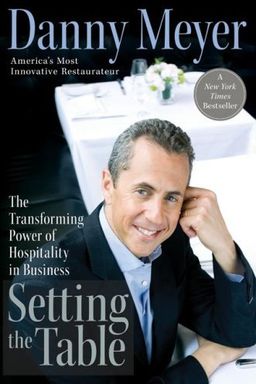
How can you build businesses that endure while making people feel genuinely cared for? In his book Setting the Table, Danny Meyer argues that hospitality, not just service or cuisine, is the beating heart of every successful enterprise. He calls his philosophy enlightened hospitality: a deliberate strategy of putting people first — beginning with your employees, then extending kindness outward to guests, community, suppliers, and finally investors. This ordering of priorities doesn’t only sound noble; Meyer insists it yields stronger economics, better morale, and sustainable growth.
Meyer’s radical insight is simple but transformative: hospitality exists when something happens for you, not to you. When your organization acts for people—employees or guests—it signals respect, empathy, and trust. Everything else flows from that choice. It’s not a soft philosophy; it’s an operational system built on measurable results, replicable culture, and a hierarchy of care.
From Family Intuition to Institutional System
Meyer began intuitively, drawing on family dinners in St. Louis and lessons from mentors like Robert Chadderdon and Pat Cetta. Those instincts evolved into a repeatable framework as his restaurants grew from Union Square Cafe to Gramercy Tavern, Tabla, Blue Smoke, and Shake Shack. Each expansion forced him to codify values: empathy as policy, listening as a management tool, and connection as competitive advantage. The turning point came when Gramercy Tavern struggled; Meyer called a staff meeting that officially placed employees first, naming the philosophy "enlightened hospitality." That reframing changed not just culture but performance metrics.
The Virtuous Cycle
By prioritizing employee fulfillment, you feed a virtuous cycle. Energized staff deliver memorable service; guests respond with loyalty and praise; communities grow vibrant; suppliers and partners deepen support; and investors enjoy reliable returns. Meyer’s order of stakeholders—employees → guests → community → suppliers → investors—is his structural blueprint. When internal morale drops, hospitality falters; when community trust erodes, word-of-mouth dries up. The cycle depends on daily listening and deliberate generosity.
Accessible Excellence as Strategy
Meyer redefined fine dining as approachable and democratic. Union Square Cafe offered refined technique without elitism; solo diners were welcomed; prices stayed fair; smoking was banned early to protect staff and guests. These gestures built repeat business. He believed that excellence should feel accessible—something New Yorkers could treat as a habit, not a splurge. Accessible excellence proved that hospitality could compete with exclusivity and win on loyalty.
Intentional Design and Community as Context
A restaurant isn’t just plates and chairs; it’s a narrative frame. Meyer designed each space as an expression of community identity: Gramercy Tavern as a century-old neighborhood tavern, Shake Shack as part of Madison Square Park’s civic revival. Through partnerships with public institutions and a design ethos rooted in authenticity, he scaled hospitality into civic impact. The goal: build places that make neighborhoods better while making them profitable.
Leadership and Learning Culture
Meyer transforms personal style into institutional leadership through what he calls constant, gentle pressure: steady persistence on standards, delivered with empathy. Managers become multipliers—each gets a megaphone, binoculars, and the fire of authority, which they must use wisely. Hiring the right people—his "51 Percenters," those rich in emotional intelligence—creates culture resilience. Feedback loops, from guest cards to staff debriefs, feed a system of continuous improvement.
Mistakes as Opportunities
Meyer integrates failure into the learning structure through the Five A’s: Awareness, Acknowledgment, Apology, Action, and Additional Generosity. He insists that the road to success is paved with mistakes well handled. A beetle in a salad or a brownout at Blue Smoke wasn’t a crisis—it was an opportunity to write a better last chapter. Fix problems creatively, generously, and fast; each recovery becomes a story guests retell with admiration.
Core takeaway
Hospitality is not a soft skill; it’s a strategic asset. Treat people first, profit second, and you’ll build enterprises with soul and staying power.
Across these lessons, Meyer teaches you how to transform kindness into competitive strategy: prioritize emotion before technique, community before celebrity, generosity before efficiency. The result is not just good restaurants—it’s good business that lasts.