
Idea 1
Boundaries as the Foundation of Peace
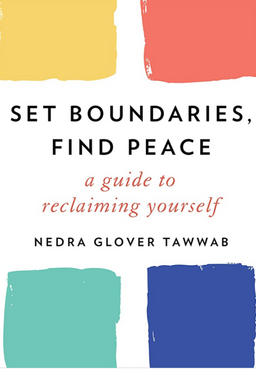
When was the last time you said yes when every cell in your body wanted to say no? Nedra Glover Tawwab’s Set Boundaries, Find Peace opens with that very question—inviting you to confront the invisible walls, guilt, and exhaustion that often accompany our daily relationships. Tawwab argues that boundaries aren’t barriers to connection; they’re the blueprint for authentic peace. Without them, you drift through life feeling resentful, overwhelmed, and quietly furious that no one recognizes your limits.
As both a therapist and a woman who’s wrestled with codependency herself, Tawwab contends that healthy boundaries are the key to emotional freedom. The book draws from her fourteen years of clinical practice, peppered with real-life stories—from clients like Kim, who couldn’t stop saying yes, to Erica, a single mother drowning in burnout. Through these narratives, she unpacks how setting boundaries can transform relationships, self-care, and inner peace.
Boundaries Misunderstood
For many of us, boundaries sound cold—rules that separate or limit. Tawwab challenges this fear directly: boundaries are expectations that define how we allow others to interact with us. They’re not punitive; they’re protective. In fact, they’re acts of self-love. Her central argument rests on this idea: peace doesn’t come from endless tolerance or forced niceness. It comes from clarity. “Clarity saves relationships,” she insists, reminding readers that people can’t honor boundaries they don’t know exist.
The Cost of Saying Yes Too Often
When you avoid saying no, you pay in emotional currency—resentment, fatigue, and anxiety. Tawwab illustrates this through Kim’s story, a high-achieving newlywed who was drowning under the pressure to be “the best” in every role. Kim’s porous boundaries caused her exhaustion; her kindness became self-sacrifice. Tawwab’s therapy sessions reveal how chronic burnout and anxiety often mask deeper problems of overcommitment and lack of assertiveness. “Burnout is overwhelming,” she writes, “and boundaries are the cure.”
She shows how the inability to set limits isn’t just emotional—it’s cultural. Many of us are raised to equate saying no with being rude or selfish. In reality, it’s a necessary act of wellness. Psychologists like Brené Brown and James Clear echo this philosophy in their works on vulnerability and habits: discomfort is temporary, but resentment is long-term. Tawwab takes that truth further by offering scripts, step-by-step strategies, and even role-play templates to transform guilt into confidence.
How Boundaries Work in Practice
Tawwab’s approach is practical, dividing boundaries into six types—physical, sexual, intellectual, emotional, material, and time. Across the book, she shows how these manifest differently in family, work, romance, friendships, and even technology. For example, a physical boundary might be asking someone not to hug you; a time boundary might be saying no to staying late at work. She integrates interactive exercises to help you identify which boundaries are porous (too weak), rigid (too strict), or healthy (balanced). Each type follows the same pattern: recognize your discomfort, state your need clearly, and follow through with action.
Fear, Guilt, and the Myth of Meanness
One of Tawwab’s most reassuring insights is that guilt is normal. You will feel “mean.” You will worry that people won’t like you. And you will survive it. Guilt is a reflex from old conditioning, not a moral compass. As she confesses, even therapists have to practice boundaries daily—or they risk relapse into old habits of people-pleasing. “When I let up on setting perimeters,” she writes in the preface, “my old problems resurface.” Her honesty turns theory into lived wisdom, reminding readers that boundaries are a lifelong discipline, not a one-time fix.
A Roadmap to Relationships That Heal
From families that guilt-trip (“But he’s your brother”) to workplaces that glorify overwork, Tawwab outlines boundaries as a moral framework for mutual respect. In romantic relationships, she shows how unspoken expectations destroy trust—echoing Esther Perel’s argument in Mating in Captivity that couples often trade authenticity for harmony. In friendships, she decodes emotional dumping and chronic complaining, teaching readers to differentiate empathy from enabling. And in the digital age, she reminds us that social media boundaries are just as vital—for protecting mental health from comparison and burnout.
Ultimately, Tawwab’s message boils down to one truth: boundaries are not about controlling others; they’re about controlling your participation. The peace you’re searching for doesn’t depend on people agreeing with your limits—it depends on you honoring them. This book is a compassionate manual for saying no without shame, setting limits without apology, and finally finding peace not through perfection or people-pleasing, but through clarity and courage.