
Idea 1
Sensitive Is Strong: The Hidden Power of Feeling Deeply
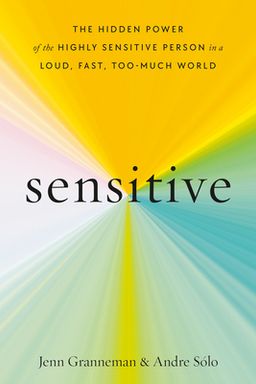
Have you ever been told you’re “too sensitive”? In Sensitive: The Power of a Thoughtful Mind in an Overwhelming World, Jenn Granneman and Andre Sólo challenge this common critique by arguing that sensitivity isn’t a flaw to be fixed—it’s a superpower to be harnessed. In a culture that prizes toughness, speed, and noise, they propose a radical reframe: sensitivity is an evolutionary advantage, a strength that shapes our creativity, empathy, insight, and moral courage.
The authors open with their own stories: two kids who felt out of place in a loud and competitive world, each learning to hide their true nature. Their personal journeys—through isolation, burnout, and eventual acceptance of their sensitivity—lead them to create Sensitive Refuge, a global community for highly sensitive people (HSPs). Through science, storytelling, and practical strategies, they unveil why sensitivity has been misunderstood, what makes sensitive people wired differently, and how this quality, when embraced, can transform our lives and our society.
Reclaiming Sensitivity as a Strength
For centuries, sensitivity has been equated with weakness—especially for men, who are often taught that emotions are unmanly. Granneman and Sólo argue that this cultural bias stems from what they label the Toughness Myth: the belief that strength means suppressing feelings, pushing through pain, and valuing achievement above connection. The authors counter that true resilience arises from the Sensitive Way—an approach grounded in empathy, reflection, and emotional intelligence. Sensitive people, they write, are not fragile but finely tuned.
Scientific research backs them up. Roughly 30% of the population has a personality trait called environmental sensitivity, which means an individual’s nervous system processes stimuli—both physical and emotional—more deeply. This deep-processing brain style is observable on fMRI scans and linked to greater awareness, creativity, and compassion. Sensitivity isn’t a disorder like anxiety or autism. It’s an inborn trait that varies across species—from rhesus monkeys to humans—and often gives survival advantages: the careful observer spots threats, the gentle nurturer builds alliances. As the authors put it, “If you’re sensitive, everything affects you more—but you do more with it.”
The Five Gifts and the One Cost
Through stories ranging from Jane Goodall’s empathetic science to Bruce Springsteen’s artistic vulnerability, Granneman and Sólo show that sensitive people possess five powerful gifts: empathy (feeling into others’ experiences), creativity (linking ideas and frames of reference), sensory intelligence (noticing subtle details), depth of processing (thinking thoroughly and strategically), and depth of emotion (experiencing life intensely). These gifts foster innovation and authenticity across fields—from science and music to leadership and parenting.
But these gifts come with a cost: overstimulation. Our modern world—loud, bright, fast, and demanding—is designed for the low-sensitive majority. Sensitive people absorb so much sensory and emotional input that they can easily burn out or retreat. The book counters this tendency by giving readers tools to manage overwhelm, from building “sensitive sanctuaries” to practicing cognitive reframing and mindfulness. Sensitivity doesn’t have to mean chronic exhaustion; it can lead to calm if honored instead of suppressed.
From Genetic Blueprint to Growth Catalyst
Biologically, sensitivity is deeply embedded in our genes—especially in variations like the serotonin transporter (SERT) gene. Yet, as the authors explain, genes interact dynamically with environment. Sensitive people’s stress responses are stronger in hostile settings—but their capacity for flourishing skyrockets in supportive ones. This phenomenon, called the Sensitive Boost Effect or vantage sensitivity, means that sensitivity amplifies both pain and potential. Nurture a sensitive child or employee, and you often unleash exponential growth in creativity, empathy, and leadership. Neglect or shame a sensitive person, and you risk dampening those strengths entirely.
This duality redefines what it means to thrive. Sensitive people don’t merely survive by avoiding overstimulation—they flourish by leveraging their responsiveness to meaningful stimuli: beauty, connection, moral courage, and compassionate leadership. The book’s scientific case studies, from Rachel Yehuda’s transgenerational trauma research to Michael Pluess’s longitudinal studies, show how sensitivity, when supported, predicts wellbeing across lifespan and culture.
The Sensitive Revolution
In its closing chapters, the book calls for nothing less than a cultural revolution. Granneman and Sólo argue that our world’s greatest challenges—inequality, burnout, climate crisis, political division—require the gifts that sensitivity brings: empathy, morality, and creative depth. They trace examples from Frances Perkins, architect of the New Deal, to modern leaders who embody “sensitive leadership”—people who balance strength with compassion. Their message: the future belongs to those who feel deeply and act deliberately.
Ultimately, they invite you to embrace your sensitivity not as a burden, but as a blueprint for a meaningful life. Sensitive people are the poets, healers, visionaries, and connectors who sense what’s breaking—and what’s possible. This book is both a science-based manifesto and a survival guide for living thoughtfully in an overwhelming world, proving that sensitivity, far from weakness, is humanity’s most underrated form of strength.