
Idea 1
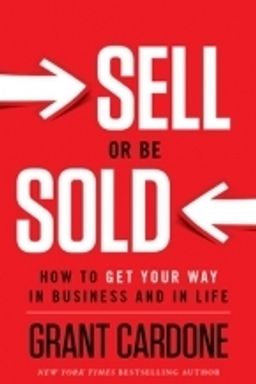
Sell or Be Sold: The Mindset That Defines Success
Have you ever found yourself trying to convince someone of your idea—at work, at home, or even just to choose a restaurant—and wondered why some people seem to get their way more often than others? In Sell or Be Sold, Grant Cardone argues that this everyday experience reveals a simple but profound truth: life itself is a continuous act of selling. Whether you realize it or not, you’re either selling your ideas, your vision, your product—or you’re being sold on someone else’s.
Cardone contends that selling is not merely a profession; it’s a survival skill. Everything in life—from your relationships to your career—depends on your ability to persuade others to align with your goals. In his words, “You’re either selling or being sold.” This philosophy runs through every chapter of his book, transforming selling from a transactional process into an outlook on life. Cardone’s work is grounded in the belief that mastery of sales equals mastery of life’s negotiations.
Selling as a Way of Living
The book opens with the assertion that everyone sells—parents sell homework to kids, athletes sell effort to coaches, entrepreneurs sell investors on ideas, and partners even sell each other on love and commitment. Cardone shatters the myth that sales is confined to a specific profession. He reframes selling as an essential human act of influence and communication. When done with sincerity, skill, and confidence, selling becomes the mechanism through which you turn dreams into reality. Without it, even the best ideas die unheard.
He also challenges one of the most common business myths: that companies fail from lack of capital. In reality, Cardone argues, they fail because no one effectively sold the idea to investors, employees, or customers. Without sales, there’s no revenue, no attention, no survival. This logic makes selling a prerequisite for success in any sector—from start-ups to personal goals.
From Amateur to Professional
Cardone draws a sharp line between amateurs and professionals. Amateurs view selling as something they occasionally have to do. Professionals see it as who they are. The true professional learns to predict client reactions, control outcomes, and create results through mastery and observation. They don’t rely on enthusiasm alone, but on preparation, study, and refinement—traits borrowed from elite athletes and performers. Like Malcolm Gladwell’s 10,000-hour rule, Cardone’s standard of mastery demands consistency and obsession with improvement.
He emphasizes that commitment is non-negotiable. A person “half in” on their career, their goals, or their product will get “half results.” Commitment is the foundation from which confidence and predictable success emerge. Without total devotion—what he calls a “burn-the-ships mentality”—there can be no greatness.
The Inner Sale: Convincing Yourself First
One of the book’s signature arguments is that the first and most important sale you’ll ever make is the one you make to yourself. You must be utterly sold—on your product, your company, your mission, and most of all, yourself—before you can expect anyone else to be. Confidence is contagious, and doubt is visible. Cardone advises readers to repeatedly “resell” themselves on their purpose so deeply that it becomes unreasonable to consider failure. He even tells stories of convincing himself with such passion that he’d find buyers simply wanting to match his conviction. This act of self-persuasion forms the psychological backbone of every external sale.
In this way, Cardone flips traditional sales advice. Techniques, he says, come second to belief. Being skeptical about your product is like trying to run a marathon with a limp—you’ll never reach the finish line first.
People, Not Products, Drive Results
Another central theme is that no matter what you sell, you’re in the people business. People buy from those they trust, who listen, and who care. Success isn’t built on manipulation or high-pressure tactics, but on genuine service—what Cardone calls “give, give, give.” When you treat selling as helping people get what they want, your work becomes a form of service rather than persuasion.
Throughout the book, he insists that service is the key to commanding higher prices, greater trust, and lifelong loyalty. Customers are not buying a price—they're buying confidence, emotion, and assurance that they’ve made the right decision. This idea, echoed by thinkers like Simon Sinek in Start With Why, positions emotional connection and trust as the real currencies of business.
The Power of Attitude and Massive Action
Cardone’s philosophy is relentlessly action-oriented. He rejects passivity, excuses, and the pursuit of balance. Success, he insists, belongs to those who take massive action—a foundational idea that also anchors his later book The 10X Rule. For him, commitment and volume of effort beat talent and timing every time. He advocates attacking goals with an intensity that creates motion, opportunity, and momentum, even if it brings new problems. Problems, he argues, are a sign of progress.
This philosophy also extends into mindset. Salespeople must cultivate positivity as a discipline, not a personality trait. Negativity breeds doubts; optimism sells solutions. Believing that life is abundant rather than scarce fuels persistence and resilience—qualities every persuader needs to thrive.
Why These Ideas Matter
Ultimately, Sell or Be Sold is not just a manual on selling. It’s a manifesto on human potential through persuasion. Cardone empowers readers to abandon the waiting game—to stop hoping and start influencing outcomes. Whether you’re closing a business deal, pitching an idea, or shaping your family’s future, he’s telling you to lead the sale before someone else convinces you to settle. His message is both simple and fierce: you may not always have control over luck, timing, or economy—but you do control your belief, your effort, and your ability to persuade. That, he claims, is the true definition of selling—and of life success.