
Idea 1
The Power of Self-Compassion
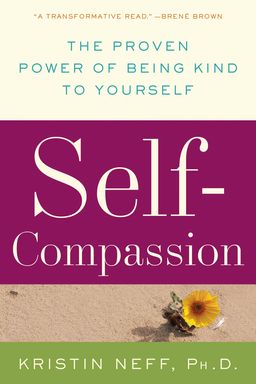
How can you relate to yourself with the same care you offer others? In Self-Compassion, psychologist Kristin Neff argues that treating yourself with kindness, mindfulness, and recognition of shared humanity is not self-indulgent—it is the foundation of resilience, motivation, and psychological well-being. She invites you to replace the exhausting pursuit of self-esteem with the steady warmth of compassion toward your own imperfect humanity.
The book’s central argument
Neff makes a radical proposal: your worth does not depend on success or superiority. While the self-esteem movement encouraged people to feel good by being better than average, self-compassion is unconditional—it recognizes that all people are flawed and worthy. She distinguishes three essential components of this practice: self-kindness (replacing harsh inner criticism with gentleness), common humanity (remembering others suffer and falter too), and mindfulness (seeing painful emotions clearly without distortion).
These elements transform how you respond to difficulty. Instead of reacting with shame or blame, you pause, notice suffering, and offer care. Research cited by Neff—ranging from fMRI scans to cross-cultural studies—shows that self-compassion activates soothing neurocircuits and lowers stress hormones, proving it is a skill you can train both psychologically and biologically.
Why self-criticism dominates—and how compassion rewires it
Neff traces the origins of self-criticism to evolutionary and social forces. Early humans used dominance and submission to navigate safety and belonging; internally, we mimic this by alternating between grandiosity and self-attack. Critical parents, perfectionist cultures, and performance-driven schooling amplify these patterns. Self-criticism feels moral but functions like abuse—it activates fear circuits, drains motivation, and predicts depression and shame.
Self-compassion intervenes by shifting your brain from threat to care mode. Warm touch, soft language, and compassionate imagination release oxytocin and deactivate the amygdala. Instead of fueling fear-based control, you create safety and space for growth. (Paul Gilbert’s Compassionate Mind Training corroborates this neuropsychological shift.)
Beyond self-esteem: a new foundation for self-worth
Neff critiques the Western obsession with self-esteem—the need to feel special and superior. Studies show it can breed narcissism and insecurity rather than confidence. Self-compassion offers a more stable base: instead of defending your ego, you care for yourself as a human being. When you fail, you say, “This is suffering. Suffering is part of life. May I be kind to myself.” The result is less anxiety, steadier emotions, and deeper relationships.
The book’s arc and application
Neff builds from theory to practice. She shows how compassion enhances motivation (you learn more productively without fear of shame), strengthens resilience (you bounce back faster from stress), and deepens interpersonal bonds (through sustainable empathy toward others). Chapters apply these insights to parenting, love, sexuality, and even joy—proving compassion is not avoidance but engagement with life’s full emotional spectrum.
Across examples—students learning from failure, nurses overcoming self-sacrifice, parents raising children under pressure—Neff’s message is consistent: compassion does not weaken discipline or blur responsibility; it enables wisdom and repair. When pain arises, you can transform it into understanding and growth.
Key concept
Self-compassion is the art of responding to pain with care rather than punishment. It integrates kindness, mindfulness, and shared humanity into everyday living—turning suffering into a portal for strength, wisdom, and joy.
In short, Self-Compassion teaches you that you don’t need to be perfect or superior to be worthy. You need only to be human—and to treat yourself accordingly.