
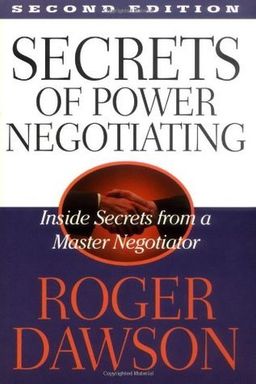
Secrets of Power Negotiating cover

Secrets of Power Negotiating

by Roger Dawson

Discover the secrets of expert negotiation with Roger Dawson''s time-tested strategies. Learn to negotiate confidently across various contexts, whether buying, selling, or reaching agreements. This book reveals practical tactics to secure win-win outcomes and improve your negotiation skills.

The Power of Strategic Salary Negotiation

Have you ever walked out of a job interview wondering if you could have earned more—if you’d just asked differently? In Secrets of Power Salary Negotiating: Inside Secrets from a Master Negotiator, Roger Dawson argues that salary negotiation is not about manipulation or luck—it is a disciplined skill that can transform your income, your confidence, and your career trajectory. Dawson believes that while most employees settle for less than they’re worth, it’s not because of talent gaps, but because they don’t know how to negotiate effectively. His book teaches readers how to handle every stage of the employment and compensation process—from crafting a resume to sealing the deal—with the calm precision of a master negotiator.

At its core, Dawson contends that earning more money is not just about performing well, but about communicating your value powerfully. He makes a capitalist argument: companies must make a profit on you, but smart negotiators ensure that they make a profit and still pay you what you’re worth. The book provides not only negotiation techniques, but also mindset shifts—how to overcome fear, project confidence, and turn awkward salary talks into win-win agreements.

Winning Before You Start

Dawson begins with the idea that salary negotiating doesn’t start when money is mentioned—it starts with how you present yourself to the employer. A resume, an interview, even the follow-up email are all parts of a larger negotiation. For Dawson, the objective isn’t just to get a job—it’s to get an offer. Everything before that stage is designed to build desire in the employer’s mind until they’re “drooling to get you on board.” Only then do you discuss money. This concept of delaying salary talk until the employer is emotionally invested is one of his central principles throughout the book.

Negotiation as a Life Skill

Dawson positions salary negotiation as one of the highest-return activities in life—often making more money in twenty minutes of negotiation than most people make in a week. He compares the cumulative effect of small raises to investment compounding: even a $10 weekly increase, multiplied by years, becomes thousands in lifetime earnings. The same logic applies to job offers, bonuses, and benefits. You can’t make money faster than when you’re negotiating, he insists, because every concession secured multiplies over time.

Why Negotiation Matters

The book’s argument rests on a broader vision of professional power. Negotiation isn’t just about pay—it’s about positioning yourself strategically. Power comes from your ability to create options, to project walk-away strength, and to understand how psychological pressure points work on both sides of the table. Dawson’s principles turn ordinary employees into empowered strategists who understand corporate dynamics and human behavior.

Key Idea:

Salary negotiation is not a single event—it’s the culmination of every interaction where you shape perception. Your resume, your questions, your timing, and even your thank-you notes are part of the negotiation mosaic.

What You’ll Learn

Across the book’s detailed structure, you’ll discover how to craft high-impact resumes, use interview psychology, and apply dozens of classic negotiating gambits such as the Tugboat Close, the Flinch, and the Alternate Choice Close. Each is illustrated through stories—from golf-course anecdotes to boardroom negotiations—that make abstract techniques tangible. Dawson draws from his decades as a business executive and negotiation coach to show how small conversational moves change the balance of power.

You’ll also learn why timing trumps argument, why silence is often more persuasive than speech, and why “asking for more than you expect to get” is the foundation of leverage. He doesn’t want you to bluff or manipulate—he wants you to practice conscious persuasion that leaves both sides better off. This ethical, win-win mindset differentiates Dawson’s framework from combative negotiation manuals (for example, compared with Herb Cohen’s You Can Negotiate Anything, Dawson’s tone is less about dominance and more about alignment).

The Book in Context

Written in a breezy, story-driven style, this book pulls from sales, persuasion, and psychological research but translates them into everyday career moments. In a market where silence or fear can trap talented people in underpaying roles, Dawson teaches practical courage. He shows you not how to exploit, but how to reframe salary talks as problem-solving partnerships. In his view, “power negotiating” means structuring conversations so that both you and your employer feel you’ve won.

If you’ve ever felt anxious walking into a salary meeting, this book promises liberation through structure. By the end, you’ll know how to prepare thoroughly, manage time pressure, use information wisely, and project confidence even when you feel uncertain. This isn’t just about making money—it’s about reclaiming your value in the marketplace and learning to communicate it for life-long financial and professional growth.


Preparation Creates Power

Dawson is relentless about preparation. In his eyes, confidence during a job interview or negotiation doesn’t come from bravado—it comes from knowing your facts cold. Preparation defeats fear, he explains, because anxiety fades when you’ve rehearsed every possible scenario.

Mastering the Interview Battlefield

You never start negotiating until you know the other side’s needs. Before an interview, Dawson insists you gather information on the company: visit its website, browse its press releases, and even study competitors on sites like Standard & Poor’s or Hoovers. Knowing the business better than the interviewer does instantly gives you leverage. It also helps you tailor your answers to show how you solve their specific problems.

Then there’s the emotional dimension. Dawson compares interviewing to parachuting—terrifying at first, but manageable when trained. He recommends “practice runs”: go on interviews for jobs you don’t want just to build fluency. Role-play with a spouse or friend who fires tough questions. Treat it as rehearsal until fear transforms into familiarity.

Understanding the Interviewer

Interviewers, Dawson says, seek three things: Can you solve their problem? Can you lead and inspire others? Will you fit the culture? Everything you say should answer these questions. For example, he advises storytelling—colorful tales of how you turned a crisis into victory—to highlight leadership and adaptability.

In one example, Dawson describes a candidate who asked intelligent, forward-looking questions (“Where do you see your company in five years?”) rather than merely responding passively. Those kinds of questions, he explains, signal that you have options—an essential insight because “options equal power.”

The Value of Follow-Up

After every interview, Dawson urges you to send handwritten thank-you notes—yes, handwritten. A physical card with your photo stands out among digital messages and subtly reminds the employer who you are. This small act combines charm with strategy: it reinforces likeability, professionalism, and persistence. Follow up again with a short email to keep the line of communication open.

To Dawson, preparation is both mental and tactical. It’s knowing the numbers, rehearsing the words, and mastering the psychology of how decisions get made. Preparation builds momentum—and momentum wins negotiations.


Delay the Money Talk

Money is the most precarious subject during hiring, Dawson warns, because bringing it up too early can weaken your position. Employers deliberately try to anchor you to your past salary, but your goal is to shift focus from price to value.

The Timing Game

Whenever asked, “What are you making now?”, Dawson advises delaying. You should only reveal your total compensation—salary plus benefits—after they’ve decided they want you. By then, they’re emotionally committed and more flexible. If forced to answer, include everything: vacation days, stock options, insurance, bonuses, even the cappuccino machine at work. Inflating total package value makes your current role look richer, which sets a higher anchor for negotiation.

Handling Low Offers

When you receive a low offer, Dawson suggests writing a counter letter praising the company and restating your enthusiasm, while politely explaining that compensation is the only stumbling block. Present yourself as an admirer of the organization who has other offers but prefers them. This approach shifts the tone from confrontation to partnership and gives the employer “permission” to fight internally for a better package.

Always Get It in Writing

Finally, Dawson instructs: once you agree on a deal, get it documented. It’s not mistrust—it’s clarity. A written offer locks in benefits, bonuses, and conditions that might otherwise fade under “forgotten understandings.”

His rule: never negotiate salary until they’re invested in you emotionally—and never assume verbal enthusiasm equals a binding deal. Timing converts desire into dollars.


The Eight Powers Employers Respect

Why do some candidates consistently impress hiring managers while others disappear into the stack? Dawson breaks down eight forms of power that influence every interviewer’s perception. He insists that understanding these subtle dynamics lets you sell yourself more effectively than any credential alone.

1. Credentials

Titles, degrees, and visible achievements command respect. Dawson encourages you to highlight leadership positions—president of an association, team captain, or project leader—not just job titles. Anything that signals authority amplifies credibility.

2. Reward and Punishment Power

Reward power shows that you bring profit; punishment power shows that ignoring your expertise could cause problems. He shares the line: “This work requires precision—the downside of getting it wrong is enormous.” This triggers urgency without sounding arrogant.

3. Consistency and Character

Trust builds from consistent career moves and moral integrity. Employers trust people with clear trajectories rather than job-hoppers who seem unsure of their direction. Character also means refusing unethical shortcuts, like offering to bring trade secrets from your old job.

4. Charisma and Expertise Power

Charisma is the ability to make others feel important. Dawson quotes Dale Carnegie: “Treat everyone you meet as if they’re the most important person you’ll meet that day.” Pair that warmth with technical mastery—the IBM coder in sandals who was rehired because no one could match his skill.

5. Information Power

Knowledge is leverage. HR leaders love stories about how you’ve interacted with other companies or discovered insider trends. Without breaking confidentiality, share lessons learned—it signals sophistication and curiosity.

When you demonstrate these eight powers, you’re not just answering questions; you’re managing perception. Employers hire people who radiate value, consistency, and empathy. Practice them consciously, and each interaction becomes a silent negotiation in your favor.


Power Comes From Options

One of Dawson’s most vivid lessons comes from his chapter “Power Comes From Having Options.” This idea, borrowed from Harvard’s concept of BATNA (Best Alternative to a Negotiated Agreement), transforms how you see leverage. Your strength in any negotiation, he says, is directly proportional to your ability to walk away.

Reduce Their Options, Expand Yours

If you want a raise or a better offer, focus on becoming irreplaceable. Do one part of your job so well that they can’t imagine replacing you. Think like the expert whom IBM had to rehire “sandals and all.” When replacing you is difficult, your employer’s negotiating options shrink—and yours expand.

Building Walk-Away Confidence

You also gain power by developing alternatives. Talk to other employers, network quietly, and even plant gossip about competitors courting you. Dawson humorously advises taking “the best gossip in the office” to lunch and confiding, “Don’t tell anyone, but I’ve had a great offer from a competitor.” He knows it will spread, increasing your perceived market demand and prompting your boss to act.

Mental Leverage

True power begins psychologically. When you realize that not getting one offer isn’t the end of your career, fear disappears. Options change your posture—you negotiate from calm confidence instead of desperation.

Power, Dawson writes, isn’t in title or tenure—it’s in choice. The side with more alternatives always has the edge. Whether asking for a raise or deciding between job offers, walk-away power is the ultimate pressure point.


Negotiating Gambits for Every Situation

The second half of Dawson’s book dives deep into specific negotiation gambits—strategies that experienced dealmakers use fluently. You don’t need all of them, he says, but knowing them lets you recognize and counter when others use them on you.

Ask for More Than You Expect

His most famous advice is simple: ask for more than you expect to get. It raises perceived value, provides room for concessions, and sometimes—magically—you just get it. Dawson retells Henry Kissinger’s dictum that negotiation success depends on overstating demands. Asking high also allows employers to “win” by negotiating you down, preserving their pride while still paying you better.

Never Say Yes to the First Offer

If you accept the first proposal, the other side immediately thinks, “I could have done better.” It triggers doubt and possibly resentment. Always pause—even if the offer is excellent—to review terms or request clarification. The silence creates respect and equilibrium.

The Flinch and the Vise

Dawson loves theatrical simplicity. When they quote a number, show mild surprise—the Flinch. It subliminally pressures them to reconsider. Follow it up with the Vise: “You’ll have to do better than that.” Then fall silent. Human nature dislikes silence—it invites concessions.

Trading Off and Tapering Concessions

If they ask for a compromise, trade for something: “If I do that for you, what can you do for me?” This elevates your concessions’ value and halts “grinding away.” Later, Dawson teaches tapering—making smaller and smaller concessions to signal you’ve reached your limit. It calms negotiations and prevents hostility.

Each gambit—whether “Silent Close,” “Ben Franklin Close,” or “Subject To Close”—adds nuance to your toolkit. The goal isn’t trickery, Dawson reminds you, but mastery of timing and tone. A calm negotiator using these moves creates trust and wins respect.


Creating Win-Win Agreements

The book closes with philosophy: negotiation should leave both sides feeling victorious. Dawson believes that lasting professional relationships depend on mutual satisfaction, not exploitation. Win-win isn’t naïve—it’s strategic empathy.

Balancing Multiple Issues

Avoid narrowing the negotiation to one issue—like salary alone. Add other variables: vacation days, bonuses, remote work flexibility, and professional development. With multiple issues, both sides can trade concessions and feel they’ve gained. “If we can’t agree on pay,” Dawson would say, “let’s talk about schedule, benefits, or title.” This transforms competition into collaboration.

Respecting Individual Goals

Don’t assume your boss wants what you want. You may value flexibility; she may value loyalty. You can give what they want without losing what you need. Helping others win, Dawson says, strengthens your own position.

Leaving Something on the Table

Greedy negotiators destroy relationships. Power negotiators leave a few dollars on the table, preserving goodwill for the future. Dawson’s rule: the last dollar is the most expensive one to take. Even after sealing the deal, add a little extra—volunteer for a committee, share an idea, or mentor others. Doing more than you promised communicates abundance, not scarcity.

Win-win, Dawson concludes, means mastering perception. When both sides walk away believing they’ve won, you’ve created the foundation not just for good compensation—but for enduring respect and career success.

Dig Deeper

Get personalized prompts to apply these lessons to your life and deepen your understanding.

Go Deeper

Get the Full Experience

Download Insight Books for AI-powered reflections, quizzes, and more.