
Idea 1
From Stories to Strategy: The Making of a Leader
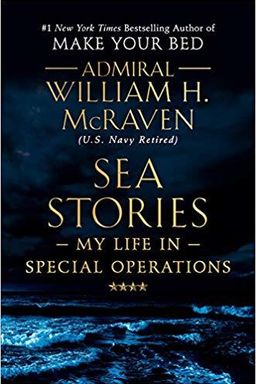
How does a childhood shaped by stories of courage become the foundation for world-changing decisions? In his memoir, Admiral William H. McRaven traces how early influences, military culture, mentors, and mission failures built the moral and strategic architecture that defined his leadership—from boyhood adventure to the bin Laden raid. His argument is clear: leadership is learned through stories, tested by failure, refined through discipline, and proven under pressure.
Early Formation: Family, Community, and Storytelling
McRaven’s early years in military communities like Fontainebleau and Lackland Air Force Base exposed him to officers whose war stories were moral education. Characters such as Tex Hill and Jim Gunn embodied courage, humor in adversity, and duty without fanfare. Their dining-table storytelling taught him three lessons: values are contagious, suffering becomes bearable through humor, and reputation is built on service, not comfort.
The Seeds of Leadership
As a child leading “Operation Volcano,” McRaven unknowingly rehearsed leadership—planning, assigning roles, adapting to risk. When consequences arrived (a fall, a lie to his father), he learned that accountability is the cost of trust. These lessons foreshadowed the moral calculus of command later in life: boldness means nothing without integrity afterward.
Mentorship and Belief
Mentorship enters as catalyst. Coach Jerry Turnbow’s one-minute phone call before a race—“Run hard. I know you can do it”—transformed doubt into drive. This moment taught McRaven the transformational effect of confidence expressed at the right time. He came to see leadership as scalable mentorship: the simple act of belief can ignite potential in those around you.
Tests of Grit: From Hell Week to Command
BUD/S Hell Week showed that courage is endurance under exhaustion. Faced with sleepless nights, freezing surf, and deliberate chaos, McRaven learned to frame time differently—“one evolution at a time.” The skill of shrinking an overwhelming ordeal into immediate, solvable pieces became a lifelong coping system for crisis. More importantly, Hell Week proved that resilience is social: men sang and suffered together, and that unity kept them from quitting.
The Moral Edge of Risk
From the tragedy of Stray 59 to complex hostage rescues, McRaven would later grasp that each operational plan carries moral cost. Planning is not just engineering—it is ethical calculus. Remembering names of the fallen prevented the temptations of abstraction. In leadership, he learned, the willingness to act must always be matched by an awareness of consequence.
Leadership at Every Scale
As his career expanded—from platoon commands to the Joint Special Operations Command (JSOC)—McRaven faced new versions of the same pattern: translating human values into systems that can function under stress. Whether building trust with SEAL teams or briefing presidents, the same truth held: clarity, humility, and moral presence determine outcomes more than raw power.
The Central Argument
McRaven’s life story is not about perfection but practice. Every era—boyhood play, military training, high-stakes operations—serves as a case study in how values become habits and habits become leadership. The connecting thread is disciplined compassion: belief in people, care for subordinates, and accountability for decisions that alter lives.
By following his journey, you discover that courage is built early, tested often, and finally refined into character. The stories that define your youth—the heroes, mentors, near-failures, and narrow survivals—are not just memories; they are rehearsal spaces for who you will become when real stakes arrive.