
Idea 1
The New Money Mindset: Becoming Rich AF in a Rigged System
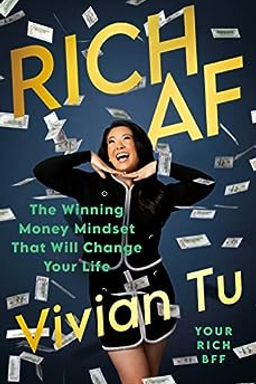
How do you actually get rich when the system seems designed to keep you broke? In Rich AF, Vivian Tu—known online as “Your Rich BFF”—argues that the American Dream is dead because it was built to serve old, rich, white men who passed wealth down through generations while telling the rest of us to work hard and scrimp. Tu contends that modern wealth isn’t created by saving or penny-pinching—it’s built by learning the secret strategies rich people use: earning more, investing wisely, and talking openly about money. The book’s core mission is to help “regular” people, especially women, minorities, and younger generations, beat the rich at their own game.
Breaking the Silence About Money
Tu starts by demolishing the taboo that money talk is rude. The wealthy, she explains, have always shared insider knowledge on golf courses and in exclusive clubs, passing on strategies for taxes, investments, and income growth. Meanwhile, everyone else was told to hush about salaries and focus on cutting coupons. Tu’s own journey—from growing up with immigrant parents who reused ziplock bags to becoming a Wall Street trader and online money educator—illustrates that learning how rich people think about money is life-changing. She shows you that financial success comes not from deprivation, but from understanding how the system works—and how to play.
Learning the Rules Rich People Play By
Tu’s central metaphor compares money to a Monopoly game. Everyone has the same rulebook, but few actually read it—meaning most people play a limited version while the rich exploit loopholes to win. That story sets up the premise: financial strategy matters more than simple financial literacy. Rich people don’t just know the definitions of IRAs or APRs—they know which rules to bend, which opportunities to take, and how to use leverage to multiply their wealth. The book provides those strategies, breaking down how to think ahead like the rich: not “how do I earn more and spend less?” but “how can my money make more money farther and faster than I can?”
Why Generations Are Struggling
Tu explains why younger generations can’t rely on old advice like “just work hard and save.” Wages haven’t kept pace with inflation; education and housing costs have exploded; economic events from the 2008 housing crash to COVID-19 have stripped ordinary people of stability. She refuses to blame individuals for systemic problems—a key difference from older financial “gurus.” Instead, Tu validates frustrations while offering updated tools to thrive in today’s economy: leveraging technology, negotiating salaries, and investing for long-term growth. Her tone is empathetic but firm, making finance feel accessible rather than judgmental (similar to Ramit Sethi’s “I Will Teach You to Be Rich,” yet more conversational and inclusive).
Rich People’s Habits, Mindsets, and Secrets
She identifies eight habits shared by the wealthy—from laziness that treats money as a hardworking employee to the “abundance mindset” that says there’s always more wealth to create. They share, network, think long-term, and invest relentlessly rather than save passively. Crucially, they’re strategic in relationships: they advocate for friends, collaborate instead of compete, and exchange insider knowledge. This mentality is the foundation for her concept of “financial domination,” where you not only build wealth but control how opportunities flow toward you.
From Surviving to Thriving
Ultimately, Tu’s argument is that you can’t penny-pinch your way to prosperity—you must outthink the system. Her “Rich BFF” framework flips traditional financial advice on its head: make more before you worry about budgeting, automate savings to build freedom, invest to grow wealth, and talk openly to dismantle money stigma. Tu writes as your funny, loyal friend armed with Wall Street savvy, translating finance into smart, actionable steps without shame. What matters most is not perfection but progress—learning, acting, and talking about money so you can join the “club” of people who know how wealth really works. The book’s appeal lies in merging humor, social awareness, and practical guides into a unified call to financial empowerment.