
Idea 1
The Human Story of Renewable Energy
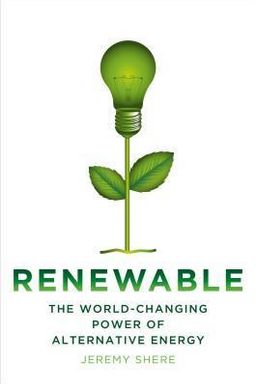
What if the energy that powers your life—your lights, your car, your phone—became impossible to see? In Renewable, science writer Jeremy Shere takes that invisibility and turns it inside out, showing how energy—especially renewable energy—has always been a profoundly human story. Through history, invention, and personal exploration, he reveals how our quest to power modern life has shaped who we are, where we live, and what we expect from technology. The book isn’t just about wind turbines or solar panels; it’s about the people who dreamed them up, the failures that paved their success, and the revolutions—both scientific and social—that led us here.
Shere argues that renewable energy is not a modern fad or a futuristic fantasy—it’s the next chapter in a story that began centuries ago. The core argument: humanity has always depended on renewables, but the rise of fossil fuels made us forget. Now, economic pressure, environmental crisis, and creative innovation are pushing us back to our roots with far more powerful tools. To understand where we’re going, we must look backward—to understand how human imagination has repeatedly tried to replace coal, oil, and gas with something cleaner, cheaper, and more local.
From Past Dependence to Renewable Future
The book opens with a relatable moment: Shere’s car breaks down, forcing him to think not about mechanics but about energy choices. Should he buy a hybrid, an electric, a flex-fuel model? This moment becomes a metaphor for our shared dilemma—each of us is making energy decisions, whether we realize it or not. It’s not about a single purchase; it’s about the way culture and technology shape those choices. Shere contends that what we face now isn’t just an energy problem but a story problem: we’ve forgotten the narrative of innovation that once made renewable energy feel inevitable.
Shere takes readers through history’s major energy experiments: Henry Ford’s early flirtation with ethanol as a cleaner fuel for the Model T; Jimmy Carter’s symbolic installation of White House solar panels; Frank Shuman’s 1913 solar thermal plant in Egypt; and Charles Brush’s 1880s backyard wind turbine. Each episode reveals a recurring pattern—technological promise, economic pushback, social skepticism, and eventual rediscovery. By retracing these stories, Shere insists we see renewables not as new inventions but as rediscoveries.
The Five Powers
Shere organizes the book around five natural forces—Green Gas, Sun, Wind, Earth, and Water—and shows how each one threads through history. Biofuels (“green gas”) begin with Ford’s ethanol experiments and culminate in cellulosic fuels made from miscanthus grass and algae. Solar energy travels from 19th-century mirror machines to Bell Labs’ silicon cells to 21st-century thin-film factories. Wind goes from medieval mills to towering turbines and megafarms. Earth becomes geothermal—heat captured in deep pipes, powering universities. Water transforms into modern hydropower and experimental wave converters off Oregon’s coast. Each element represents both a technological lineage and a philosophical return to balance with nature’s rhythms.
These stories are not just technical—they’re emotional. Shere emphasizes the enthusiasm of inventors like Augustin Mouchot, who built solar engines out of polished mirrors in 19th-century France; and the heartbreak of pioneers like Stephen Salter, whose wave-energy Duck was quietly sabotaged by bureaucracy. By humanizing these figures, Shere shows that our energy evolution has always relied on individuals daring enough to rethink what power means.
Why the Past Matters Now
The point of exploring the past isn’t nostalgia—it’s insight. Shere believes renewable energy struggles because it’s still largely invisible to the public imagination. We flip light switches, fuel cars, and stream videos without seeing the hidden systems that make it possible. Yet that invisibility—what he calls energy’s "magic trick"—also blinds us to its costs: pollution, climate disruption, and finite resources. By making energy visible again, Shere argues, we can make smarter, more humane decisions about our future. Renewable ends with an epilogue reminding readers that although fossil fuels built the modern world, they are temporary visitors in human history. The sun, wind, earth, and water were our first partners—and, inevitably, they will be our last.