
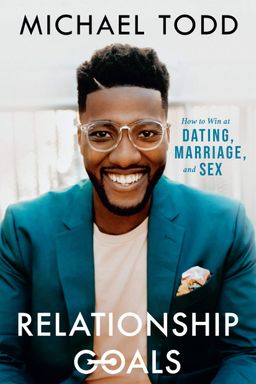
Relationship Goals cover

Relationship Goals

by Michael Todd

Explore how to cultivate meaningful relationships in ''Relationship Goals'' by Michael Todd. Drawing from personal experiences, Todd shares actionable insights to overcome modern relationship hurdles and set precise goals for lasting connections with your partner, friends, and God.

Building God-Centered Relationships That Win

Have you ever looked at a picture-perfect couple on social media and thought, “Why can’t my relationships look like that?” In Relationship Goals, pastor Michael Todd argues that our confusion about love, sex, dating, and marriage comes from aiming at the wrong target. We chase cultural ideals instead of God’s design. Todd contends that to truly win at relationships, we need to realign our goals with God’s purpose—because without divine direction, we may achieve momentary pleasure but miss lasting fulfillment.

Throughout this practical and faith-based guide, Todd takes readers on a journey through the entire relational spectrum—from singleness to marriage—to show what healthy, purpose-driven relationships look like. Drawing from his own story with his wife Natalie, as well as biblical examples, he translates spiritual truth into everyday language. Whether you’re single and searching, dating and confused, or married and struggling, Todd offers what he calls a set of “major keys” to unlock success in love and life.

From Hashtag Goals to Holy Goals

Todd begins by asking why everyone loves posting #RelationshipGoals online—and why so many of those same people experience disconnection, heartbreak, and broken marriages in real life. He argues that popular culture sells illusions: glossy images of intimacy without authenticity or work. We admire celebrity power couples or fictional romances, but rarely see the sacrifice, self-awareness, and spiritual maturity real relationships require. To Todd, these false goals leave us missing our mark—like archers shooting without a target.

God, however, has already given us a target. Citing scripture, Todd reminds readers that relationship itself began in the Trinity—Father, Son, and Holy Spirit in perfect unity. We were created out of that eternal relationship, so our connection with God must precede and direct every other human bond. The ultimate relationship goal isn’t status or romance; it’s reflection—mirroring God’s love in how we relate to others.

The Divine Sequence of Relationships

A central theme of the book is what Todd calls God’s “relational progression.” Whereas our culture reverses the order—love, sex, maybe marriage—God’s plan moves differently: Singleness → Dating → Engagement → Marriage → Love → Children. Each stage builds on the previous one, and skipping steps leads to instability. For example, healthy dating depends on healthy singleness, and thriving marriages depend on having first developed wholeness and purpose independent of a partner. This progression transforms relationships from codependent into covenantal.

Todd insists that none of these stages are inferior or to be rushed through. Each is a sacred season of preparation. Singleness is not a punishment to escape but an opportunity to cultivate identity and purpose before sharing life with another person. Dating should be intentional, not recreational. Engagement should focus on building trust, not insecurity. Marriage should model oneness with God, and even sexuality should be treated as a divine expression, not a selfish act.

Purpose Before Person

One of Todd’s most repeated lessons is that you must discover your purpose before your person. Using Adam and Eve as an example, he notes that Adam received both relationship with God and a job—tending the garden—before he ever met Eve. That’s because purpose prepares you for partnership. Without clarity about who you are and what you’re called to do, you risk entering relationships that derail your destiny rather than align with it. A good partner, Todd explains, should not complete you but complement God’s purpose in you.

This extends beyond romance. Identifying purpose influences friendships, business alliances, church communities, and family dynamics. Every relationship should, in some way, help you grow toward your God-given goals. If a connection consistently drains joy or distracts from spiritual growth, that’s a signal something needs to change.

Reframing Real Love

Todd’s definition of love differs from the emotional highs promoted in pop lyrics and rom-coms. Real love, he reminds readers, is not just a feeling—it’s a decision guided by sacrifice. In marriage, love comes after the vow because true love is forged in the daily acts of patience, forgiveness, and service. This parallels Paul’s description of love in 1 Corinthians 13—steady, selfless, and enduring. Falling in love is easy; staying in love requires intentionality.

By the end of the book, Todd and Natalie share practical habits for sustaining that kind of love: understanding needs, communicating effectively, resolving conflicts biblically, and keeping God central in every interaction. Their marriage, once marked by immaturity and insecurity, becomes a living testimony that transformation is possible when couples shift from a “me” mindset to a we-with-God equation.

Why It Matters Now

Relationship dysfunction is rampant—divorce statistics remain high, hookup culture dominates, and even within churches, many people flounder in love. Relationship Goals speaks to this crisis not with condemnation but with hope. Todd’s humor, honesty, and vulnerability make his message resonate with ordinary readers. By blending everyday language with biblical truth, he creates a roadmap for anyone who wants to stop “reposting fantasy love stories” and start living one that reflects divine reality.

Ultimately, Todd’s message is simple yet countercultural: When you align your relationships with God’s purpose, you not only find love—you become love. And that’s the real bull’s-eye of life.


Discovering Purpose Before the Person

Before you think about chemistry, compatibility, or commitment, Michael Todd says you must consider calling. Your purpose—the divine assignment that defines your life—is the foundation for every healthy relationship. In Todd’s metaphor, purpose is the blueprint and people are the builders; without blueprints, every connection will eventually collapse.

Relationship with God First

Todd begins this principle in Genesis. Before Eve existed, Adam had relationship with God. Every evening, the two walked together in the Garden of Eden. That friendship was Adam’s first relationship goal. Todd argues that until you cultivate that same connection with God, you’ll seek in people what only God can supply: identity, affirmation, and direction. Our dependency on human approval leads to disappointment because humans were never meant to fill a God-shaped void.

This echoes spiritual teacher Henry Cloud’s view in Boundaries in Dating: when people bypass self-awareness and God-awareness, they unconsciously transfer expectations onto others. Todd’s message is therefore radical yet practical: deepen your divine connection, and every other relationship falls into right alignment.

Purpose Precedes Partnership

Before meeting Eve, Adam also had a job. God assigned him to cultivate the garden. This wasn’t just busywork—it was purpose in action. Todd explains that purpose attracts the right person. Eve didn’t find Adam scrolling profiles; she found him working within divine assignment. “Ladies,” Todd quips, “if he doesn’t have a vision or a plan, in the words of Beyoncé, to the left, to the left.”

Likewise, men should seek a partner who complements—not competes with—their mission. A healthy marriage, Todd says, is two people doing God’s work side by side, not one person dragging the other toward destiny. He illustrates this through his parents’ example: his mother was a traveling preacher while his father supported her ministry quietly. Their roles reversed later when his father became a pastor. Both fulfilled purpose because they valued unity over ego.

Isolation and the Enemy

Todd warns that isolation is the enemy’s playground. God said, “It is not good for man to be alone,” not because singleness is wrong but because isolation invites attack. We need relationships—friends, mentors, community—to stay spiritually strong. Yet these must be godly connections that push us forward, not ungodly bonds (such as toxic friendships or alliances) that pull us back.

The takeaway is liberating: before adding anyone new to your life, make sure the relationship strengthens your walk with God and advances your purpose. Otherwise, you might be building a partnership God never designed.


Singleness as a Season of Strength

In a culture that glamorizes relationships and stigmatizes solitude, Todd’s chapter “The S-Word” reframes singleness as a blessing. He tells singles: your season alone isn’t something to escape; it’s something to embrace. God uses singleness not to punish you but to prepare you.

Learning to Love Yourself

Quoting Matthew 22:39—“Love your neighbor as yourself”—Todd notes that self-love is a prerequisite for loving others well. If you despise or devalue yourself, you’ll mirror that treatment in relationships. Singleness is your gym for soul growth; it’s where you build emotional muscles like patience, self-control, and confidence. Todd jokes that marriage will reveal every weakness you thought you’d buried, so do the inner work now.

He shares the story of Diamond, a woman who stepped away from dating after being hurt by abuse and shallow relationships. By dedicating years to spiritual healing and discovering her gifts, she found peace—and eventually a man who respected her purpose. Like Diamond, you can use singleness to reset values and develop godly self-awareness before romantic entanglements cloud your clarity.

Single but Not Alone

Being single doesn’t mean being solitary. Todd reminds readers that God Himself said, “I will never leave you nor forsake you.” True companionship begins vertically—with the Creator—before it extends horizontally to others. Friendships, church family, and mentors provide healthy connection without compromising purity or purpose. He cautions that rushing into relationships out of loneliness often multiplies pain rather than solving it.

Maximize Your “I” Time

Todd offers a memorable acronym: use singleness to focus on “I”—Invest, Imagine, Inspire. Invest in yourself through learning, travel, and spiritual growth. Imagine the future God’s calling you to. Inspire others by serving and mentoring. These are acts of stewardship that make you whole and ready for partnership. Singleness, he argues, is a season of construction, not waiting; it’s when God builds your foundation so your future relationships won’t collapse under pressure.

In short, don’t waste the gift of this time. When you learn to love your own company with God, you’ll stop settling for people who don’t value your destiny.


Intentional Dating Over Recreational Dating

Modern dating, Todd argues, often looks like target practice with no bull’s-eye—fun but aimless. To fix this, he introduces the concept of Intentional Dating: dating with purpose, purity, and discernment. Unlike recreational dating—which exists for entertainment—intentional dating evaluates compatibility for covenant marriage.

Dating for the Glory of God

Todd points to 1 Corinthians 10:31: “Whatever you do, do all for the glory of God.” That includes dating. He asks two questions every Christian dater should use as filters: (1) Is the person I’m dating bringing glory to God? (2) Is how we’re dating bringing glory to God? If the answer is “no” to either, it’s time for course correction—or exit. For instance, if your relationship thrives on secrecy and physical temptation instead of shared faith and truth, it dishonors God’s intent and likely destroys purpose.

Unequally Yoked Partnerships

Drawing on 2 Corinthians 6:14, Todd warns against being “unequally yoked.” Like two oxen pulling a plow, one’s spiritual strength and direction affect the other. If one partner resists God’s guidance, the relationship drifts off course. Todd’s rule of thumb: “If he’s not mateable, he’s not dateable.” Compatibility should be measured by shared vision and faith, not merely chemistry or charisma.

Practical Framework: Ninety Days of Intentional Friendship

Todd offers a structured 90-day “intentional friendship” process. Couples commit to boundaries like curfews and limited physical touch while discussing fears, values, and goals under the mentorship of a trusted couple. After ninety days, they decide whether to continue toward engagement or part ways peacefully. This approach taught countless couples, including Brandon and Taylor—whose pasts of immorality were redeemed—to build on friendship rooted in faith rather than lust. It’s therapy, accountability, and discipleship rolled into one dating roadmap.

Intentional dating is countercultural but freeing. It reminds believers that romance isn’t about finding someone to complete you—it’s about choosing someone to pursue God with you.


End It When It Blocks Your Purpose

Not all relationships are meant to last. Todd devotes an entire chapter to the art of ending relationships—a skill many believers overlook. He explains that sometimes quitting is the only way to win. As he writes, “When God wants to bless you, He sends a person. When Satan wants to destroy you, he also sends a person.” The challenge is learning to discern the difference.

The Hagar and Ishmael Principle

Todd retells Abraham’s story of Hagar and Ishmael as a metaphor for relationships born of impatience. Abraham and Sarah couldn’t wait for God’s promise, so they manufactured their own plan—leading to emotional chaos. Likewise, many of us enter relationships because we’re lonely, insecure, or tired of waiting. If God didn’t start it, Todd warns, “it will end badly for you.” The cure is humility to say, “I rushed ahead of God,” and the courage to step out.

Recognizing Toxic Patterns

If a relationship weighs you down or keeps you from your God-given calling, it’s a liability, not an asset. Todd urges readers to inventory every relationship: is this connection giving to or taking from your peace, joy, and purpose? Patterns matter—if every partner drains your spiritual energy, you might be addicted to dysfunction. He reminds us of Hebrews 12:1: “Let us strip off every weight that slows us down.”

How to Break Up God’s Way

Todd outlines three qualities of a holy breakup: end it quickly, kindly, and cleanly. Abraham sent Hagar away early in the morning, provided for her needs, and made a clear break. Todd insists that closure requires clarity—no vague “maybe later” or “let’s take a break” talk. If face-to-face closure is unsafe, a direct message suffices. The goal is peace without resentment. Ending right prevents repeating wrong.

Ultimately, Todd reframes breakups as acts of obedience. Choosing God over comfort may hurt for a season, but it heals for a lifetime.


Surrendering Sexuality to God

Few Christian authors address sexuality as openly as Michael Todd. In “Surrender Your Sexuality,” he disarms shame while exposing the spiritual cost of casual sex. His main premise: sex is holy, but it belongs inside God’s container—marriage. Outside that covenant, sex creates destructive attachments called soul ties.

Sex: God’s Perfect Idea

Todd reminds readers that sex began as God’s command to Adam and Eve—“Be fruitful and multiply.” Pleasure wasn’t an afterthought; it was a divine gift. But Satan twisted it by relocating sex outside its container. Like water, when contained, sex gives life; when uncontained, it floods and destroys. The world calls unrestricted sex “freedom,” but Paul calls it “slavery” (1 Corinthians 6:12). Todd insists freedom isn’t doing whatever feels good—it’s living free from sin’s control.

Soul Ties and Spiritual Consequences

Every sexual act binds two souls together physically, emotionally, and spiritually. Repeated connections with multiple partners create invisible cords that tangle purpose and peace. Todd warns that there’s “no condom for your heart.” He dismantles the myth of “safe sex,” arguing that while protection can guard the body, nothing shields the soul from misplaced intimacy. Breaking unhealthy ties requires confession, healing, and surrender to Christ’s power.

Renewal Through Surrender

Todd’s antidote is full surrender: “Use your whole body as an instrument to do what is right for the glory of God” (Romans 6:13). He describes practical steps for reclaiming purity—guarding eyes, thoughts, conversations, and digital habits. Couples like Kimberly and Spencer, who replaced pornography with prayer, discovered intimacy restored through surrender. Patrick, once enslaved to lust, found freedom by declaring that his body belonged to God, not impulse.

Ultimately, Todd’s message is not condemnation but redemption: no matter your past, sexual surrender opens the door for spiritual renewal and relational wholeness.


The Triangle: God at the Center of Marriage

According to Todd, a successful marriage is not 50/50—it’s 1 + 1 + 1 = 1. A husband, a wife, and God unite to form what he calls The Triangle. As each spouse moves closer to God, they naturally move closer to each other. Without God at the apex, marriage becomes imbalance; with Him, it becomes a reflection of divine oneness.

God’s Plan of Oneness

Marriage, Todd teaches, was designed to mirror Christ’s relationship with the church. The triangle symbolizes that design—two earthly beings bound together under a heavenly covenant. This unity demands sacrifice: husbands love their wives as Christ loves the church, and wives support their husbands as partners in vision, not servants of ego. True leadership and submission flow from love, not control. “You’re going to wake up every morning and die to yourself,” Todd writes. “That’s how you become one.”

First Comes Marriage, Then Comes Love

Challenging cultural norms, Todd says real love grows after marriage. Emotional highs fade, but covenant love matures through shared sacrifice and forgiveness. Using 1 Corinthians 13, he paraphrases everyday acts of love—choosing patience during arguments, celebrating each other’s wins, and forgiving daily mistakes. Love is less about chemistry and more about consistency. It’s forged in doing, not feeling.

Keeping the Triangle Strong

Todd and Natalie’s real-life stories illustrate that oneness must be nurtured. They stress prayer together, vulnerability, and ongoing dates that refresh connection. For couples struggling spiritually, he encourages returning to individual singleness with God—rekindling personal purpose while investing in shared devotion. The triangle collapses when partners depend on each other more than on God.

In this model, marriage becomes not just companionship but ministry—a living portrait of God’s relentless love for humanity.


Major Keys to a Successful Marriage

The final chapter, written by both Michael and Natalie Todd, offers the “major keys” to sustaining a strong marriage. It’s their most practical section, combining humor, honesty, and hands-on wisdom. Their goal: help couples move from surviving to thriving by understanding needs, communication, and conflict.

Key 1: Understanding Each Other’s Needs

Men and women, they explain, have distinct yet equal needs. Women require security, affection, and communication. Men need honor, support, and sex. Natalie encourages husbands to create emotional and financial safety—being a “safe place” for a wife’s dreams and fears. In turn, Michael challenges wives to respect their husbands’ decisions, allow failure, and encourage with affirmation: “Praise what you want repeated.” Mutual understanding transforms tension into trust.

Key 2: Knowing How to Talk

Communication is more than talking—it’s translation. Todd draws on Gary Chapman’s The Five Love Languages (touch, time, words, service, gifts) to emphasize learning your partner’s emotional dialect. Natalie’s love language is quality time; Michael’s is words and touch. Miscommunication, they discovered, isn’t lack of love but lack of fluency. Todd summarizes, “Your words are either building the person you want to be married to, or tearing down the one you have to be married to.”

Key 3: Resolving Conflict

Fights are inevitable but controllable. The Todds advise cutting out unspoken expectations (“She should have known to get me a drink”) and addressing hurts gently, not through angry “fluff.” They model phrases like, “It hurt me when…” instead of accusations. Tone and timing, they say, are salvation for modern marriages. Arguing rightly keeps unity strong.

Together, these “major keys” unlock the mystery of lasting love: serve, speak kindly, and stay humble before God. Marriage, like music, sounds best when both partners play in harmony.


Hitting the Bull’s-Eye: Progression Over Perfection

In his conclusion, Todd reminds readers that perfect relationships don’t exist—only progressing ones. Using the metaphor of an archer and a bull’s-eye, he says success comes not from flawless aim but from continual alignment. Each stage of your relationship journey—singleness, dating, marriage—is God’s training ground for sharper focus on His target.

Todd and Natalie celebrate their tenth anniversary as proof that even flawed people can grow into faithful partners when they keep God at the center. Their transparency about insecurity, past infidelity, and spiritual renewal shows that redemption is always possible. “It’s not about perfection,” Todd writes, “it’s about progression.”

He ends by urging readers to make “the turn.” Like dancers performing the Wobble at a wedding, many believers move back and forth between bad habits but forget to turn—to repent. Acts 3:19 promises that turning to God brings “times of refreshment.” Every relationship breakthrough begins with that pivot back to Him.

The bull’s-eye of life, Todd concludes, isn’t just finding “the one.” It’s becoming the one God designed you to be—someone who loves like Jesus, lives on purpose, and reflects heaven in every relationship on earth.

Dig Deeper

Get personalized prompts to apply these lessons to your life and deepen your understanding.

Go Deeper

Get the Full Experience

Download Insight Books for AI-powered reflections, quizzes, and more.