
Idea 1
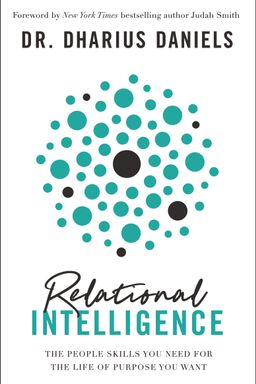
Relational Intelligence: Managing the People Who Shape Your Destiny
Have you ever felt stuck—not because of lack of talent, knowledge, or opportunity, but because of the people around you? In Relational Intelligence: The People Skills You Need for the Life of Purpose You Want, Pastor Dharius Daniels argues that your life’s success, happiness, and spiritual growth depend less on what you know and more on who walks beside you. He contends that relationship management is life management—and unless we place the right people in the right roles, we risk living beneath our potential.
Daniels introduces the concept of Relational Intelligence (RQ), the ability to discern if someone should be part of your life, identify what role they should play, and align them accordingly. This ability, he says, sits alongside IQ and EQ. Just as intellectual and emotional intelligence help you think and feel wisely, relational intelligence helps you love, connect, and collaborate wisely. It’s what determines whether your relationships push you toward purpose or pull you toward pain.
The Core Argument: Relationships Shape Everything
Daniels asserts that none of us succeed alone. God’s greatest gifts, he says, often walk into our lives on two legs. Every relationship has consequences—positive or negative—and ignoring this truth means forfeiting control over the direction of your destiny. Borrowing from King Solomon’s wisdom, Daniels reminds us, “Walk with the wise and become wise, for a companion of fools suffers harm.” We become who we walk with, and we never go further than our team.
This isn’t a simple guide to being nice or maintaining more friendships. It’s an intentional system for managing relationships strategically, much like managing a business or a ministry. Daniels warns that too many of us live relationally like gamblers—rolling the dice on connections and hoping things work out. In his words, “We manage no other area of life that way. Isn’t your purpose too necessary to jeopardize because you won’t take your relationships seriously?”
Four Relationship Categories: A Blueprint for Placement
At the heart of Daniels’s model are four distinct relationship categories: Friends, Associates, Assignments, and Advisors. Like seats on a bus (a metaphor inspired by Jim Collins’s Good to Great), each person in your life must be in the right seat for the journey ahead. Friends provide joy and accountability; Associates offer connection without intimacy; Assignments are people you’re meant to pour into; and Advisors are mentors who pour into you. Every person belongs somewhere—but confusion between categories breeds frustration, disappointment, and stagnation.
To build a life of purpose, Daniels teaches you how to define these categories, discern where each person fits, align them wisely, and assess relationships regularly. Each step mirrors spiritual principles: clarity comes through prayer, alignment through courage, and assessment through humility. Relationships, Daniels reminds us, are never static—they evolve, shift, and sometimes end. Relational intelligence helps us navigate those transitions without unnecessary damage.
Faith Meets Psychology: The RQ Equation
Daniels builds his theological insight around a psychological framework: IQ + EQ = RQ. Intellectual ability helps you reason; emotional intelligence helps you regulate feelings and empathize with others; relational intelligence helps you apply both to build meaningful, productive relationships. It’s not enough to be smart and kind—you must also be people smart. Relational intelligence uses empathy, wisdom, and discernment to ensure that the people closest to you contribute to your growth rather than compromise it.
He draws on insights from leadership experts (like Brené Brown’s warning that perfectionism ruins connection and Peter Salovey’s research on emotional awareness) to show that spiritual maturity is inseparable from relational maturity. Without relational discernment, Daniels says, even spiritually gifted people end up relationally bankrupt—good hearts with poor boundaries.
Why This Message Matters
In an age of social media “connections” and fast-swiping culture, Daniels’s message is both countercultural and urgent. You can have thousands of followers and still be lonely. Relationships built on proximity or convenience often fail the tests of trust, purpose, and alignment. Daniels challenges you to trade quantity for quality—to become intentional about who gets access to your heart, your time, and your energy.
Key Reflection
“Having the right people in your life isn’t enough,” Daniels writes. “They need to be in the right place.”
This book isn’t just for pastors or leaders—it’s for anyone navigating friendships, family dynamics, work environments, or mentorships. Daniels shows that developing relational intelligence is a spiritual discipline and a professional asset. It’s how we “walk with the wise,” fulfill our divine assignments, and design relationships that help us become who God created us to be.
By the end, Daniels leaves you with a clear and hopeful conclusion: relational intelligence won’t make your relationships perfect, but it will make them powerful. It’s the skill that turns connection into purpose, friendship into legacy, and relationships into catalysts for divine growth.